
Last updated November 16, 2026
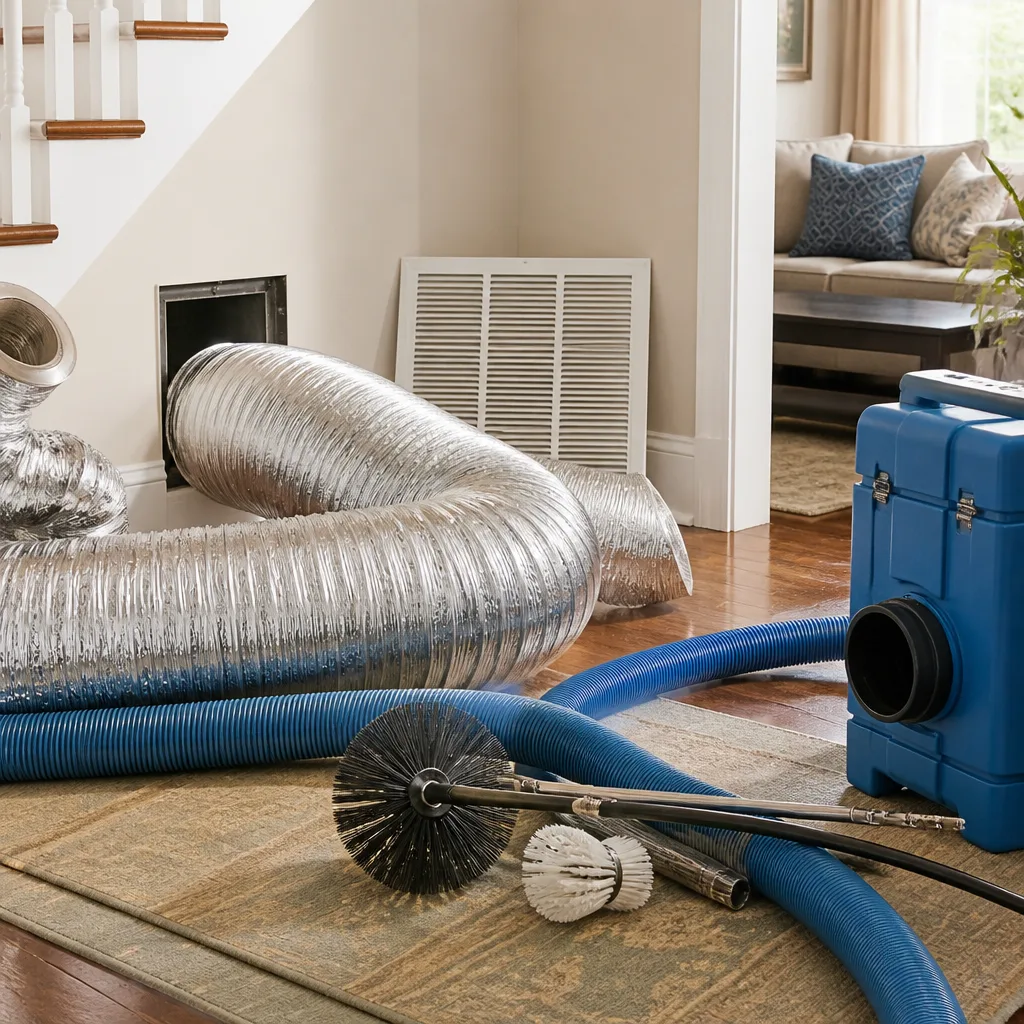 Whole-home duct cleaning
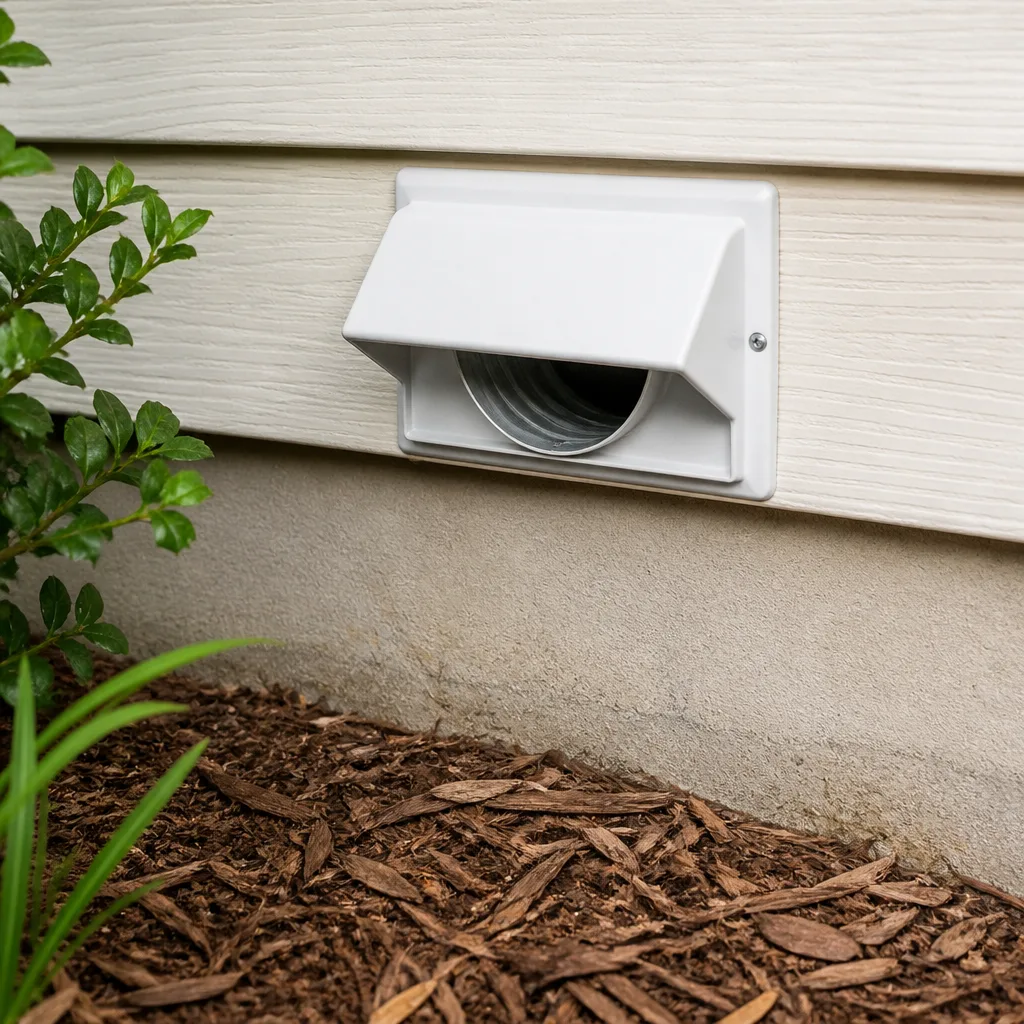 Dryer vent cleaning
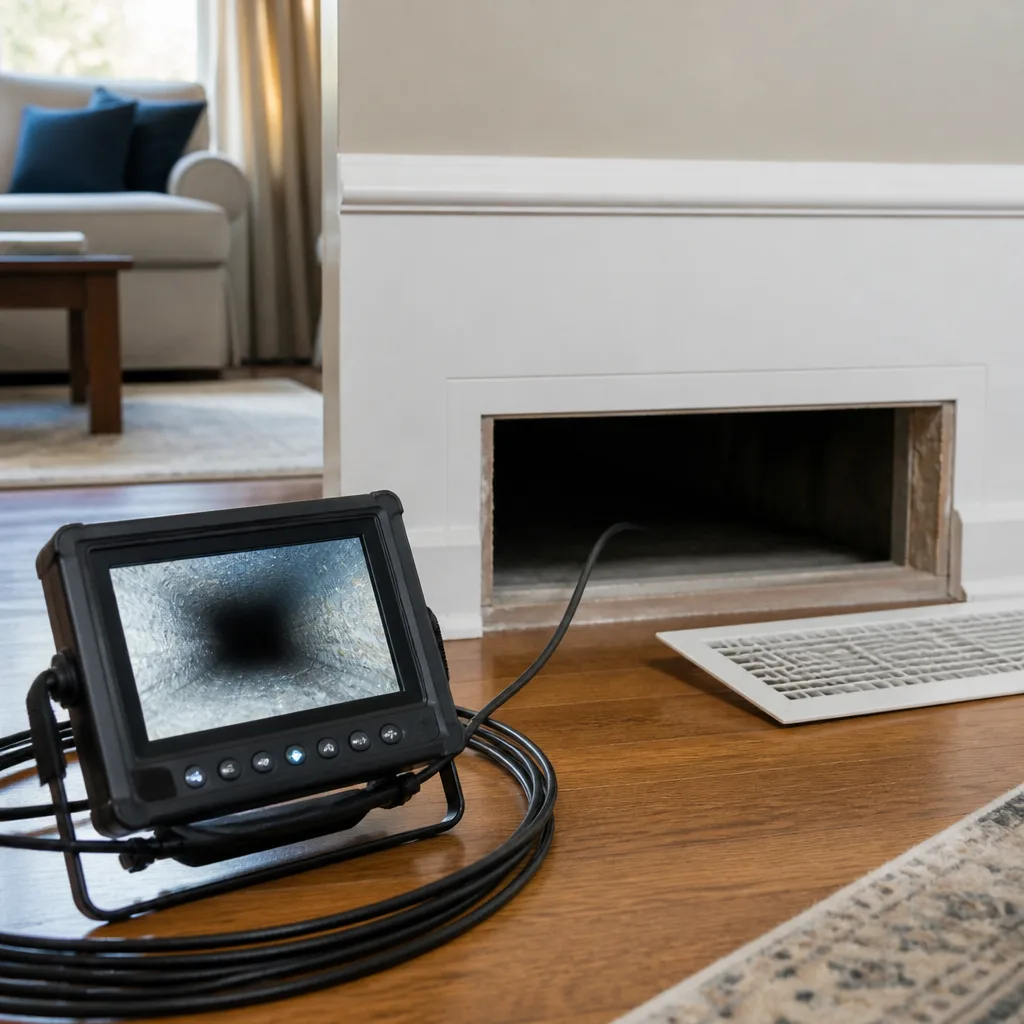 Camera inspection
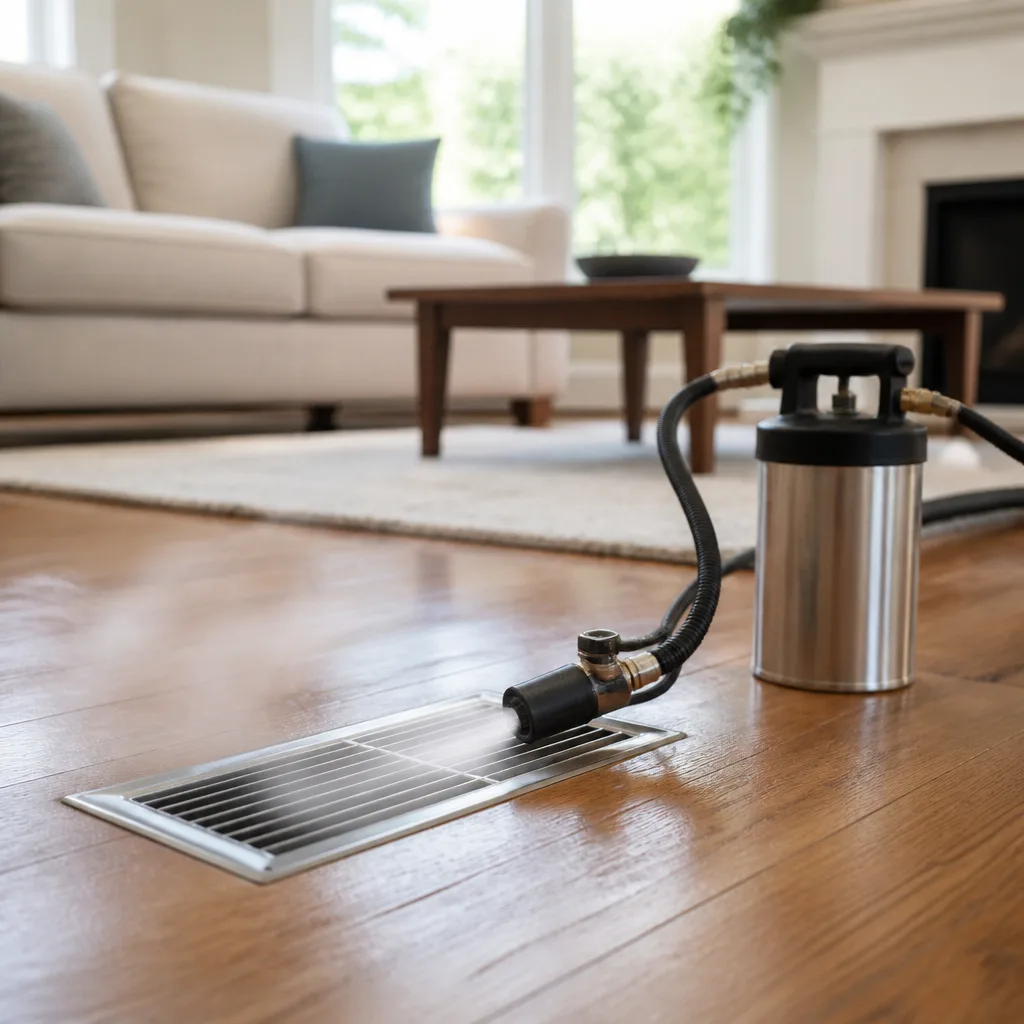 Sanitizing & deodorizing
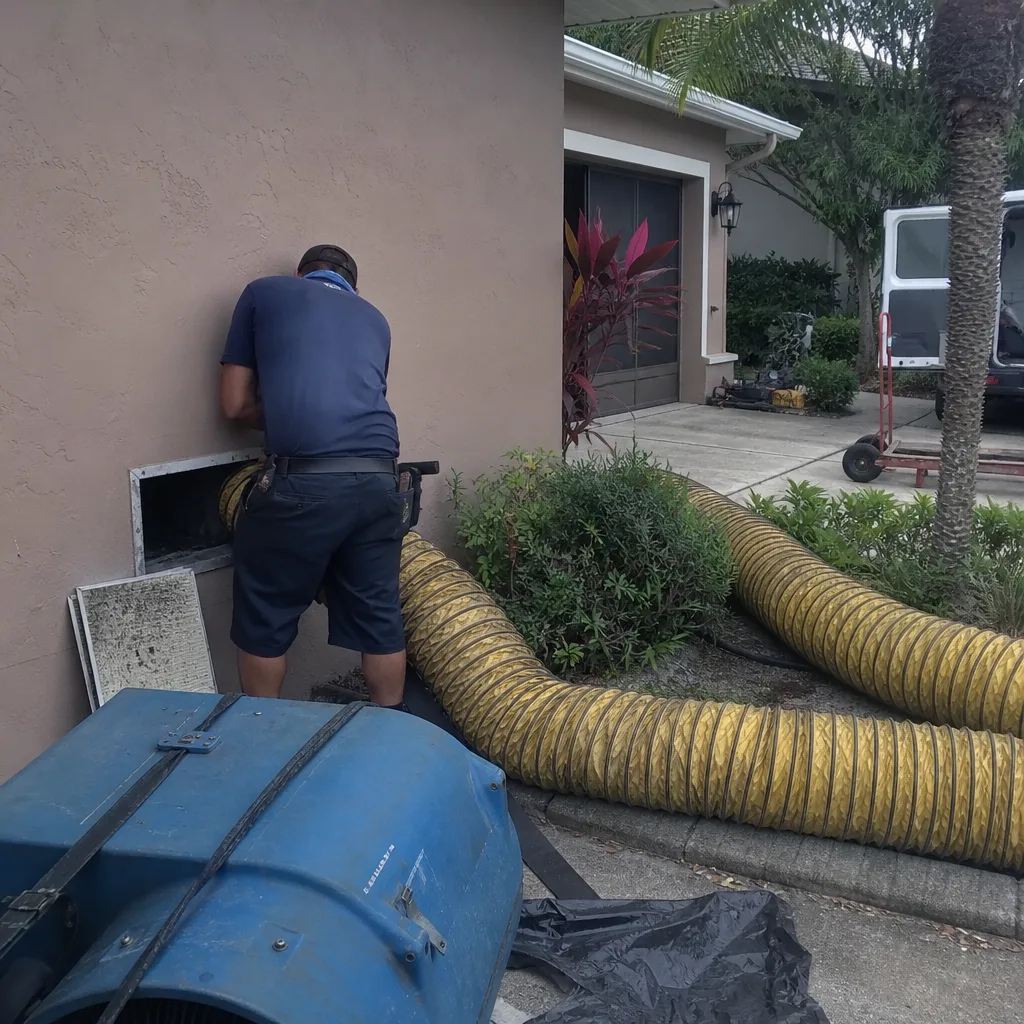
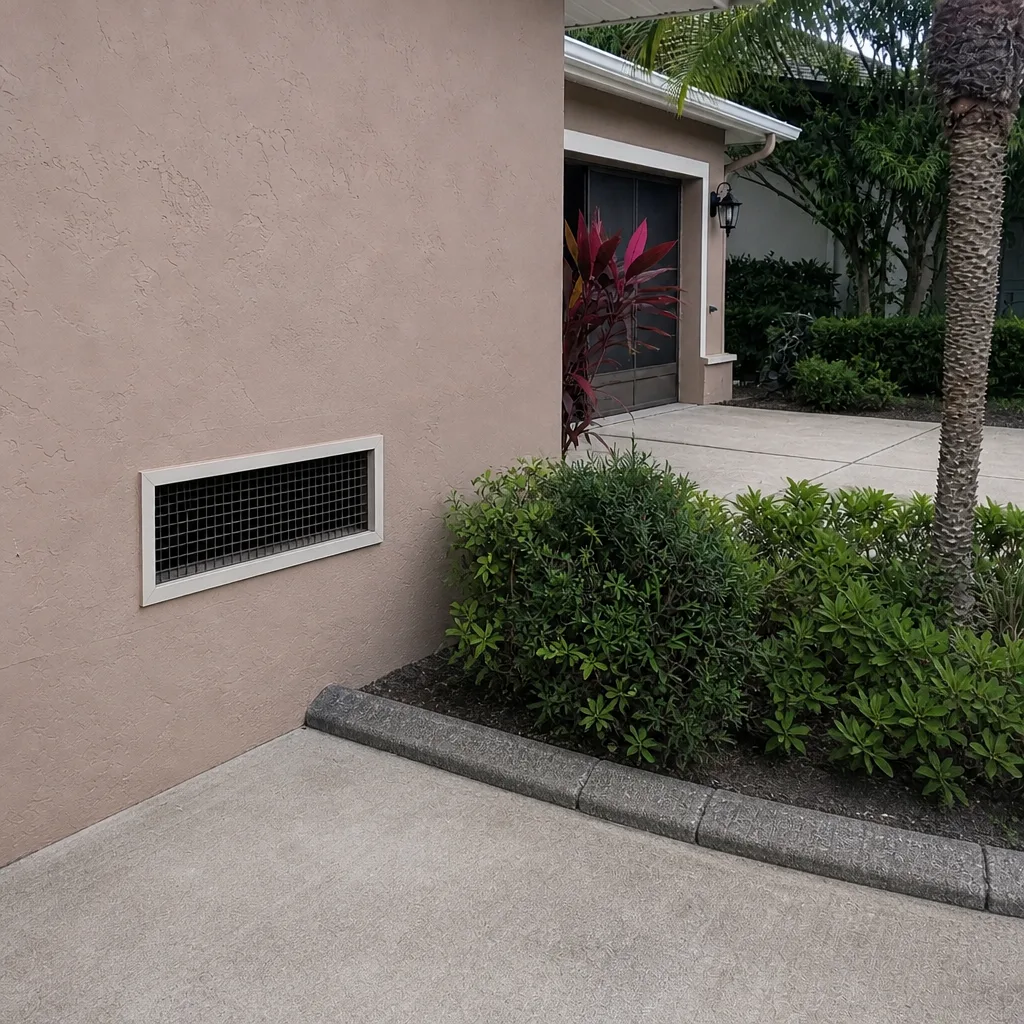
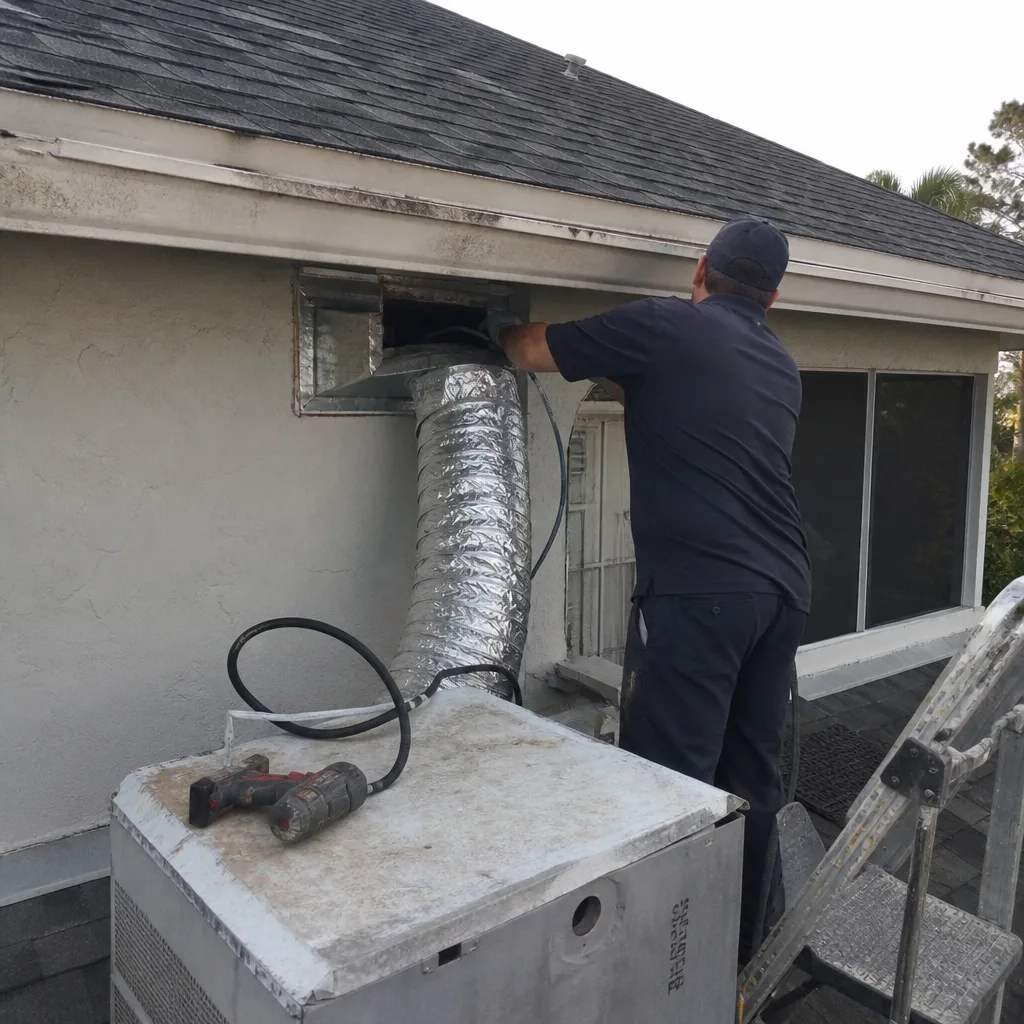
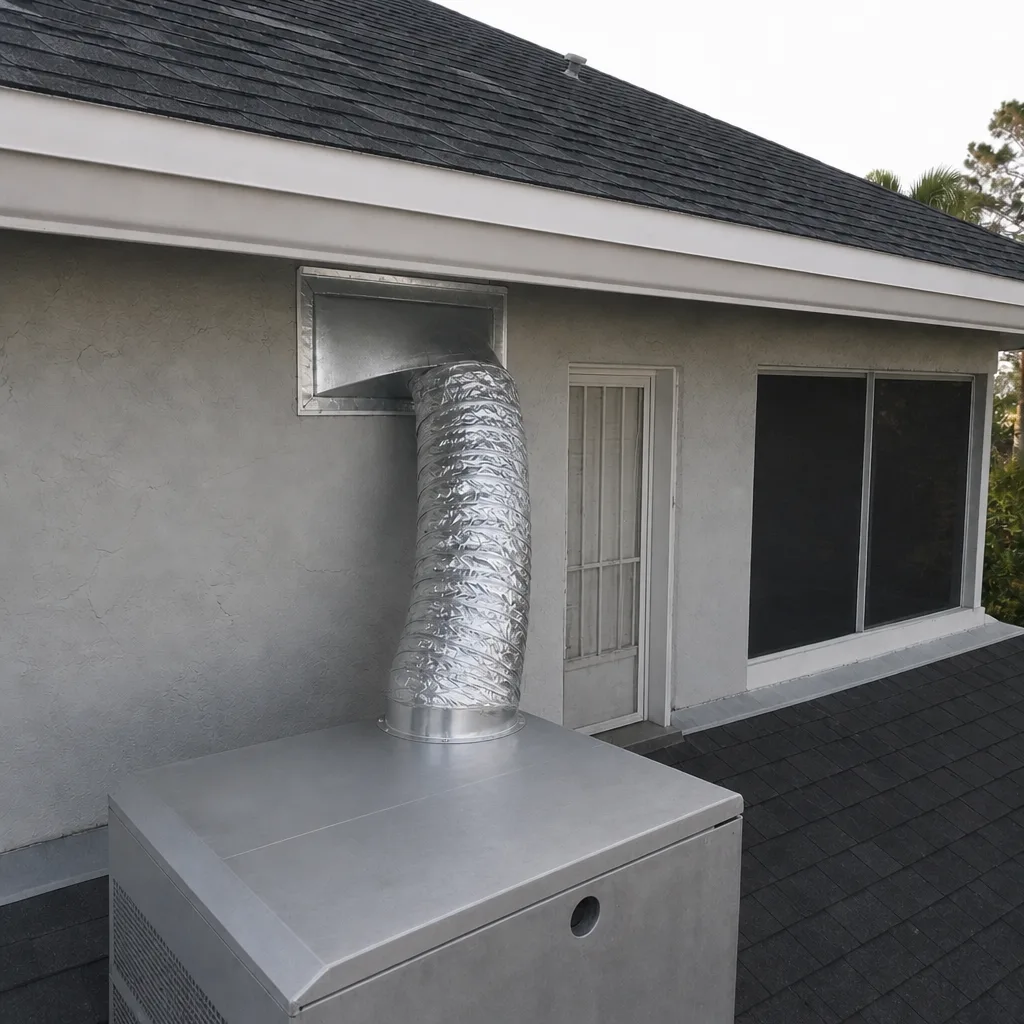
Whole-system duct and dryer vent check with before-and-after photos - you see exactly what came out of your vents
That "$99 whole-house special" is a bait ad - the real number appears once they are in your hallway, or the "clean" is a shop-vac at the register. We photograph the inside of your ducts before and after instead.
Air Duct Cleaning Maintenance Checklist for Clearwater Homeowners
A filter change schedule designed for Minneapolis winters will leave a Clearwater home running on degraded air quality for months. The math doesn’t translate. A house here cycles conditioned air nearly every day of the year, so the duct system accumulates dust, pollen, and pet dander on a timeline measured in runtime hours, not in calendar months. Most homeowners replace filters on a seasonal rhythm borrowed from colder climates and never think about what’s happening inside the return trunks and supply runs. This guide gives you a maintenance checklist built around actual Clearwater conditions: how to read your own system’s runtime, what to inspect and when, how to spot early contamination at the registers, and what to log after every service visit so you’re trending your system instead of guessing at it.
Quick Answer
Air duct maintenance in Clearwater should be driven by runtime hours, not fixed annual dates. In a climate where the system often runs 2,500 to 3,500 hours a year, the practical interval is a filter check every one to two months, a supply and return register inspection every quarter, a drain pan and air handler check before and after the cooling season, a full professional duct cleaning every two to three years for most homes (sooner with pets, allergy sufferers, or older ductwork), and dryer vent cleaning once a year as fire-safety maintenance.
Styles & brands we work with
- Whole-home duct cleaning
- Dryer vent cleaning
- Camera inspection
- Sanitizing & deodorizing
Table of Contents
- Why Runtime Hours Beat Calendar Months in Clearwater
- The Filter Schedule That Fits Local Conditions
- Supply Register Inspection Checklist
- Return Air Grille Inspection Protocol
- Tracking the Air Handler Drain Pan as a Humidity Indicator
- When a Full Professional Cleaning Is Actually Due
- Dryer Vent Cleaning as Safety Maintenance
- How to Document Each Service Visit
Why Runtime Hours Beat Calendar Months in Clearwater
Maintenance intervals tied to months assume a system that sits idle for part of the year. That assumption fits heating-dominated climates and falls apart in Clearwater, where the air handler moves air almost continuously and the cooling cycle carries most of the load. When a duct system never really stops running, contaminants settle and re-entrain on a compressed schedule. A home that cycles air 2,500 to 3,500 hours a year passes roughly twice the air volume through its filters as a comparable house in a cold climate where the system runs part of the year and rests the rest.
That runtime figure is a practical estimate, and you can narrow it for your own home by watching how the equipment behaves. Three things drive the number upward:
- Cooling season length. Clearwater’s cooling season is long. The system runs most of the year and rarely gets a true off-season.
- Home tightness. Tighter homes recycle the same filtered air more often, which loads the filter faster but keeps the ducts cleaner if filtration is maintained.
- Occupancy and pets. Every additional occupant and every pet raises the particle load the return side has to capture.
The payoff of thinking in runtime is that your checklist stops being a guess. You’re not asking “is it spring yet?” You’re asking “how many hours has this system moved since the last inspection, and what did the filters look like at the halfway point?” That’s a maintenance schedule grounded in what the equipment actually experiences. When we assess duct cleaning in Clearwater homes, the first question we ask is how often the system runs and how the filters have been loading between changes, because those answers set the right interval for that house.
A quick way to estimate your own runtime without instrumentation: note how many hours a day the indoor fan runs during the warmer months, multiply by the days in the cooling season you observe, and add the lighter shoulder months at a lower daily figure. Most Clearwater homes land inside the 2,500 to 3,500 hour band. Homes with continuous fan settings, long occupancy hours, or heavy pet load sit at the top of it.
The Filter Schedule That Fits Local Conditions
If you take one thing from this guide, make it the filter schedule, because filter loading is the earliest signal your duct system sends. A calendar schedule that says “change the filter in fall and spring” is built for a system that runs part of the year. A Clearwater system running nearly year-round needs a check every one to two months. Some homes in the tighter, higher-occupancy band want the one-month rhythm; others coast fine at two. The only way to know is to look.
Here’s how a runtime-based filter routine works:
- Check the filter at one month. Pull it, hold it to the light, and note how much of the face is loaded. That reading tells you whether the next check should be at four weeks or eight.
- Match filter type to your equipment. A high-MERV filter that’s too restrictive for the blower can choke airflow and make the system work harder. A filter that’s too open lets more particulate reach the ducts and the coil.
- Watch for the loading pattern. If the filter loads unevenly, that’s a duct or airflow signal, not a filter problem. Uneven loading usually points to a leak, a disconnected run, or an oversized return.
- Replace before it’s fully dark. A filter that’s visibly gray across the whole face is past due. Waiting on it pushes dust past the filter and into the ducts and the evaporator coil.
The filtration hardware matters too. A lot of Clearwater homes run a Honeywell or Aprilaire filter cabinet rather than a one-inch slot filter. Those systems have their own media and their own change intervals, and the media is often thicker and lasts longer than a plain pleated filter, but it still has a runtime clock. Part of what we do on air duct cleaning visits is assess the filtration hardware alongside the ducts, so the system gets cleaned and the filter cabinet is serviced in the same visit rather than split between two contractors. If the cabinet media is exhausted or the housing is leaking, that gets handled while we’re already there.
One local note on filter type: with a long cooling season, condensation and humidity are a constant in the air handler, and a filter that’s trapping organic matter and staying damp creates the conditions for biological growth on the media itself. If you ever smell a musty odor at a return, treat that as a filter and coil signal, not just a filter change.
Supply Register Inspection Checklist
Supply registers are where you catch contamination before it reaches the level that needs a full cleaning. The supply side is where filtered, conditioned air delivers into the rooms, so what you see at the register face and just inside the vanes tells you what’s traveling through the ducts. A quarterly look at each register is cheap, takes minutes, and flags early problems while they’re still correctable with a filter adjustment or a targeted cleaning.
Run through this checklist at each supply register, quarter by quarter:
- Face and vanes. Look for visible dust film, dark streaking, or lint collecting on the louvers. A light film that wipes off is normal. A textured build-up that doesn’t wipe clean is a duct-cleaning signal.
- Uniformity across registers. Compare a register near the air handler to one at the far end of the house. If the far register is noticeably dirtier, that’s a velocity or leak signal, not just a cleaning signal.
- Airflow feel. A register that has lost noticeable airflow relative to the others may be on a crushed, disconnected, or restricted run. Reduced flow is worth flagging for repair.
- Behind the grille. Remove one or two grilles a year and look at the interior boot. Visible dust accumulation on the boot interior means the duct surface is loading.
- Color and smell. Dark or oily deposits, or a sour or musty smell at a supply, point to moisture or biological growth and warrant a professional look.
We handle air duct repair alongside cleaning for this reason. When a register shows uneven airflow or a boot that’s been pulling unfiltered air from a gap, the fix is repairing the duct, not just vacuuming it. A register inspection that flags a disconnected run early saves you from chasing phantom comfort problems all summer. Using professional-grade agitation and HEPA capture equipment, we can open and inspect the run, correct the disconnect, and clean the system in the same visit.
Return Air Grille Inspection Protocol
The return air grille is the most overlooked inspection point in the house, and it’s the first place you see what the duct system is actually pulling in. Supply registers show filtered air on its way out. Return grilles show the raw air going in, and they load differently: faster, more visibly, and with a distinct dark film where the edges sit. A return that’s dark and dusty is telling you the filter is either overloaded, undersized, or bypassing at the edges.
A practical return-side protocol, done about quarterly:
- Look at the grille face. The return grille collects the most visible film in the house because it’s the first surface the unfiltered air hits. A dark ring or film at the perimeter is the classic sign of a filter bypass or a loose grille.
- Remove the grille and look at the filter. Check that the filter seats fully and isn’t warped or pushed out of its slot. A filter that’s sized short lets air travel around it, and whatever goes around the filter goes into the ducts.
- Check the filter housing for bypass gaps. Gaps at the frame let unfiltered air into the return trunk. Even a small gap loading over a long runtime season deposits dust downstream.
- Look at the trunk interior where you can see it. A light, even dust is normal. Heavy deposits, cobweb-like buildup, or debris collecting on the bottom of the trunk means the return side is past the manageable stage.
- Compare all returns. If one return is dramatically dirtier than the others, that return is bearing more of the air or feeding a leaky section of duct.
In Clearwater homes with pets, the return inspection is even more important. Pet hair loads the return side heavily and can bridge across a filter face faster than a filter’s nominal interval suggests. If a return grille looks furred after a month, shorten the filter interval and keep an eye on the return trunk interior.
Tracking the Air Handler Drain Pan as a Humidity Indicator
The air handler drain pan is the single best leading indicator of duct humidity problems in a Clearwater home. The pan catches condensate from the cooling coil, and the coil and the duct surface live in the same conditioned envelope. When the pan isn’t draining cleanly, standing water sits, relative humidity rises at the coil, and damp conditions can travel through the supply trunk and create the very growth conditions nobody wants in the ducts. The pan is where you see that trouble first.
Before and after each cooling season, check the drain pan with these steps:
- Look for standing water. A properly draining pan is wet but doesn’t hold standing water. Pooling at the pan bottom means the drain line is partially blocked.
- Check the drain line and trap. A clogged condensate line backs water into the pan and eventually into the duct and floor. Clear or service the line before the pan overflows.
- Inspect the pan for growth or debris. Slimy film or biological growth in the pan signals chronic moisture conditions that can migrate to the coil and duct.
- Look at the coil face. The evaporator coil is a leading dust catcher. A visibly loaded coil on the downstream face means the filter is underperforming and the duct system is loading too.
- Check for rust or corrosion at the cabinet. Rust at the air handler cabinet edge is a sign of chronic wet conditions that warrant a professional assessment.
Because we service Honeywell and Aprilaire air-quality components and work with Nikro equipment that can capture fine particulate, we can tie a drain pan and coil observation to the rest of the inspection. If you find a persisting pan or coil condition, a professional visit is the right next step, since that’s the point where a cleaning assessment can separate a filter issue from a genuine duct or equipment problem.
When a Full Professional Cleaning Is Actually Due
A full professional duct cleaning is due in Clearwater roughly every two to three years for most homes, sooner if the house has pets, allergy sufferers, or older ductwork. That interval is longer than a seasonal filter change and shorter than the two annuals many generic checklists suggest. The right answer for your home depends on the readings you’ve collected, which is why the earlier checklist items matter: they build the evidence that tells you when the full cleaning makes sense rather than guessing at a calendar.
Signs a professional cleaning is due now, not next year:
- Visible dust or debris discharging from supply registers after a filter change.
- A persistent musty or sour smell that returns shortly after filter changes.
- Noticeable dust buildup on the return-side trunk interior.
- Recent renovation, after which fine construction dust entered the return system.
- Older ductwork with visible seams, taped joints, or disconnected runs.
- A household allergy sufferer whose symptoms track with time spent indoors.
When we clean a duct system in Clearwater, the process uses professional equipment rather than consumer-grade blowout tools: a Rotobrush platform with mechanical agitation reaches surfaces a vacuum alone misses, and Abatement Technologies equipment supports negative-air and containment capability that’s typically reserved for restoration jobs. Applied to residential cleaning, that means particles get captured rather than pushed around the house. We always show before-and-after photos of your own ducts, which is the direct answer to the industry’s bait-and-switch reputation, and we agree one flat price per system before any work starts. If we find damaged or disconnected ductwork during the cleaning, we can correct it on the spot as part of the air duct repair service rather than leaving you to schedule a second contractor.
Dryer Vent Cleaning as Safety Maintenance
Dryer vent cleaning is fire-safety maintenance, not optional upkeep, and in Clearwater it belongs on the annual checklist alongside the duct checks. Lint accumulates in the dryer vent run regardless of homeowner diligence: every cycle pushes fine lint past the screen and into the vent, where it can build up against a bend or the exterior termination. That buildup restricts airflow and, in the worst case, provides fuel for a fire started by the dryer’s heat. Once a year is the practical interval for most households, shorter for high-use homes.
What to watch for between annual cleanings:
- Longer dry times. Loads taking noticeably longer than they used to points to restricted vent airflow.
- Heat on the exterior termination. If the outside vent flap is warm or lint is visibly collecting at the termination, the run needs cleaning.
- Lint around the dryer base. Visible lint near the floor behind the dryer is a sign the vent path is loading.
- The dryer running hot. A dryer that’s hot to the touch on the cabinet is a restricted-airflow signal worth a look.
We treat dryer vent cleaning as a discrete, standalone service rather than a throwaway add-on to a duct cleaning. The scope covers the full ventilation system of a home: supply and return ductwork, the air handler side, and the dryer vent run. It’s a different job from duct cleaning and is scheduled and priced on its own terms.
How to Document Each Service Visit
A simple log after each service visit turns a duct maintenance routine from a series of unrelated calls into a trend. The goal is to give every future technician a picture of where your system has been, not a blank slate. A single notebook or a note on your phone works; the format matters more than the medium.
What to record after each visit:
- Date and service performed. Filter change, inspection, cleaning, or repair, with which one.
- Observations by location. Which registers looked dirty, which return was heaviest, whether the drain pan was wet.
- Condition readings. Filter loading at the check interval, any musty smell noted, airflow observations.
- Any repair done. Reconnected runs, resealed joints, replaced components.
- Photos. A phone photo of the before-and-after at the registers gives you and any future technician a direct comparison.
- Equipment and filters used. Model and media type, so replacements match.
When we visit a Clearwater home, we can compare your log against what we observe on the day, so the recommendation is grounded in your system’s history rather than a generic interval. That’s the difference between trending conditions and starting from zero on every call. If the trend shows filters loading faster each year, the interval gets shortened; if the duct interior stays clean, the cleaning schedule stays long. A Clearwater home’s maintenance should reflect that home’s own readings.
Common Mistakes to Avoid
- Following a northern-hemisphere filter schedule. A schedule built for a heating climate assumes a seasonal shutdown. Clearwater systems run nearly year-round, so a four-month filter interval lets loading build well past the point of effectiveness.
- Skipping the return air grille. Most homeowners inspect supply registers and never look at the return. The return is where the system’s intake loads first, and it’s the clearest early signal of a bypassing or undersized filter.
- Treating the drain pan as a summer-afterthought. In this climate the drain pan is your leading humidity indicator. A pan that’s checked only during an annual tune-up catches a developing condensate problem far too late.
- Choosing a filter on rating alone. A high-MERV filter that chokes airflow can do more harm than a lower-MERV option that matches the equipment. Match the filter to the blower, not to the number on the box.
- Calling a cleaning and forgetting the dryer vent. The dryer vent is part of the ventilation system and carries a genuine fire-hazard profile. It needs its own annual interval.
- Ignoring uneven airflow. Reduced flow at one register usually means a duct problem, not a normal condition. It’s the kind of issue a cleaning will not fix on its own.
- Not logging what was done. Without a record, every contractor visit restarts the diagnostic process and you lose the trend that would tell you whether the schedule is right.
See the difference
 Before
 After
 Before
 After
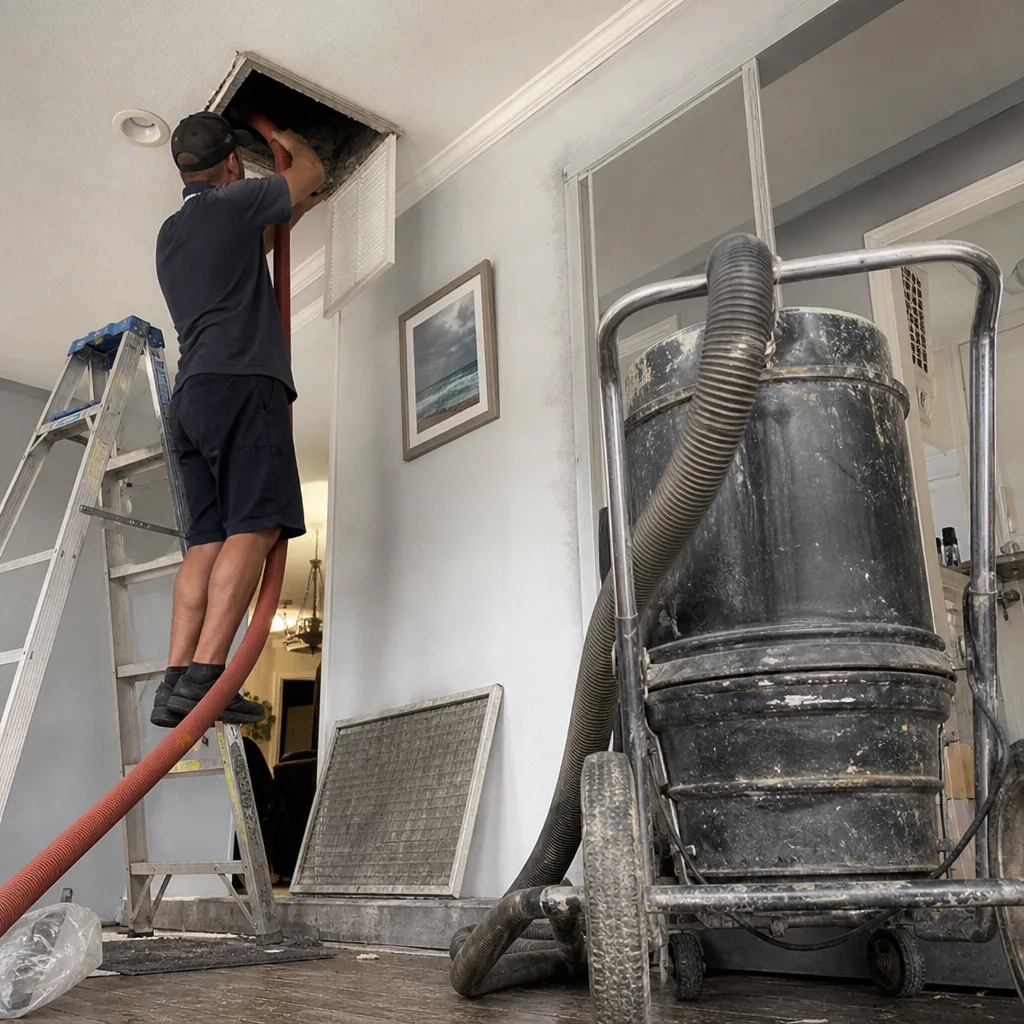 Before
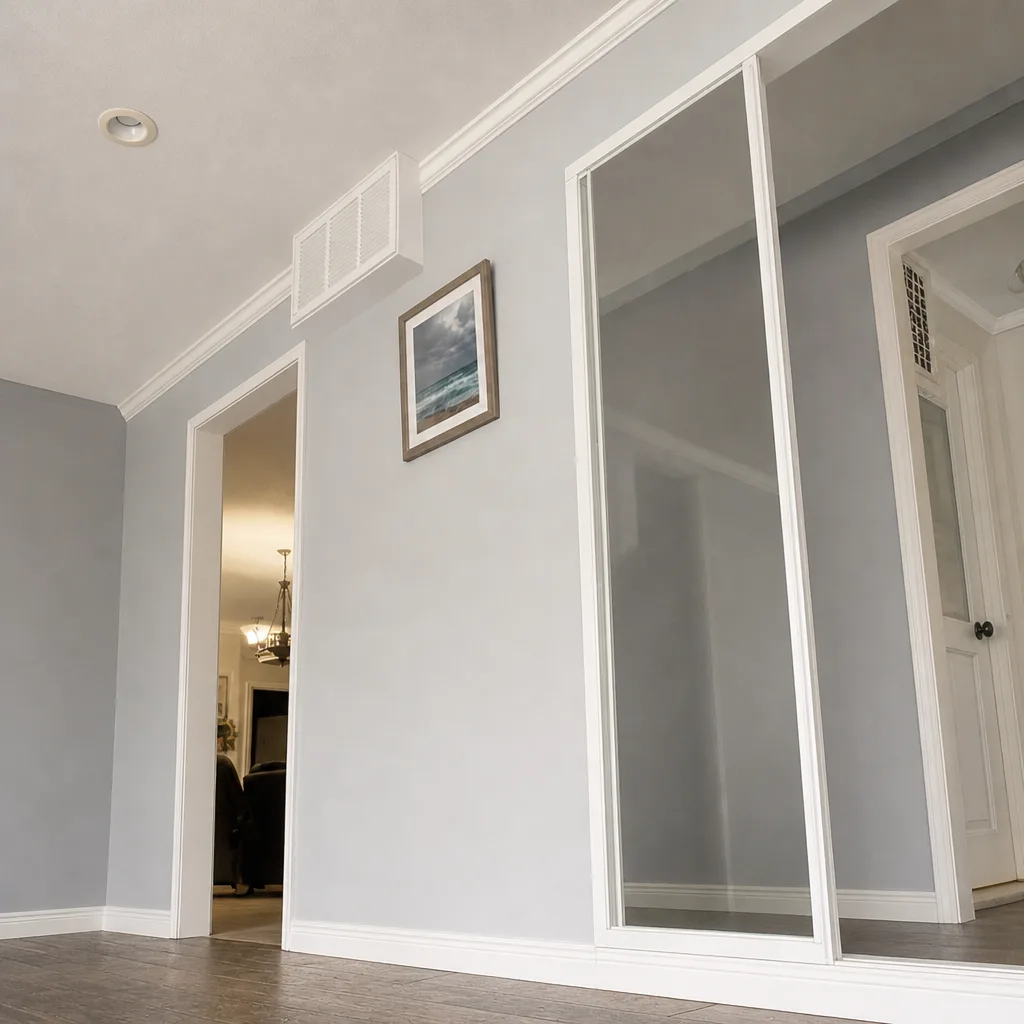 After
When to Call a Professional
Call a professional when a register inspection shows debris discharging after a filter change, when a musty smell returns within weeks of a filter replacement, when a supply register has lost noticeable airflow, when the drain pan holds standing water after the line is cleared, or when the return trunk interior shows heavy buildup. These are the conditions that move from filter maintenance to a cleaning or repair assessment. Older duct systems with visible disconnected runs, and homes with allergy sufferers whose symptoms track with indoor air, both warrant a professional evaluation rather than another filter change.
Duct Cleaning Clearwater offers free estimates in Clearwater. Call (844) 238-0931. We answer 24/7. Fast dispatch from 7am to 7pm, Sunday through Friday. Our technicians have up to 13 years of experience, and we work with licensed, insured local professionals who use professional-grade Rotobrush and Nikro equipment. We agree one flat price per system before work starts and show before-and-after photos of your own ducts.
Frequently Asked Questions
Most Clearwater homes need a full professional cleaning every two to three years, with filter checks every one to two months and register inspections quarterly. Homes with pets, allergy sufferers, or older ductwork need the cleaning sooner, so treat the range as a starting point and adjust it based on what your register and return inspections show. Call (844) 238-0931 for an exact quote: estimates are free.
Cheap quotes usually reflect a smaller scope: a vacuum pass without mechanical agitation, no containment, and no inspection of the return side or the drain pan. Professional cleaning needs equipment that reaches duct surfaces and captures fine particulate, which is why the flat price per system reflects the actual work. If a quote seems far below the range, ask what equipment and scope it covers before you book. Call (844) 238-0931 for a flat, written estimate per system.
Ask for before-and-after photos of your own ducts, which is the direct evidence of a real job. We provide those photos as standard practice, and we agree one flat price per system before work starts so the invoice matches the estimate. Combined with your own service log, the photos let you compare condition across visits. Call (844) 238-0931 to book.
Note how many hours a day the indoor fan runs during the warmer months, add up your observed cooling-season days, and add the shoulder months at a lower daily rate. Most Clearwater homes land in the 2,500 to 3,500 hour band. If you’re above that, shorten your filter interval. If you’d rather not do the math, we can assess the interval on a visit. Call (844) 238-0931 for a free estimate.
For most households, yes; once a year is the practical interval, shorter for high-use homes. Lint accumulation restricts airflow and carries a fire-hazard profile, which makes it safety maintenance rather than optional upkeep. Watch for longer dry times or a warm exterior termination as indicators. Call (844) 238-0931 to schedule dryer vent cleaning.
A single dirtier return grille usually means that return carries more of the air or feeds a leaky or disconnected section of duct. That’s a duct signal, not just a cleaning signal. A professional inspection can identify whether the run needs repair alongside cleaning. Call (844) 238-0931 for an assessment.
The Bottom Line
Duct maintenance in Clearwater works best on a runtime schedule, not a calendar one. Check filters every one to two months, inspect supply registers and return grilles quarterly, monitor the drain pan before and after the cooling season, schedule a full cleaning every two to three years, and have the dryer vent cleaned annually. Log what you find and what gets done, because the trend is the useful information. If the readings point to a cleaning or a repair, Duct Cleaning Clearwater can handle both in one visit, with professional-grade Rotobrush and Nikro equipment and a flat price per system agreed before work starts. Call (844) 238-0931. We answer 24/7. Fast dispatch from 7am to 7pm, Sunday through Friday. Estimates are free.
Written by the team at Duct Cleaning Clearwater.