
Last updated November 16, 2026
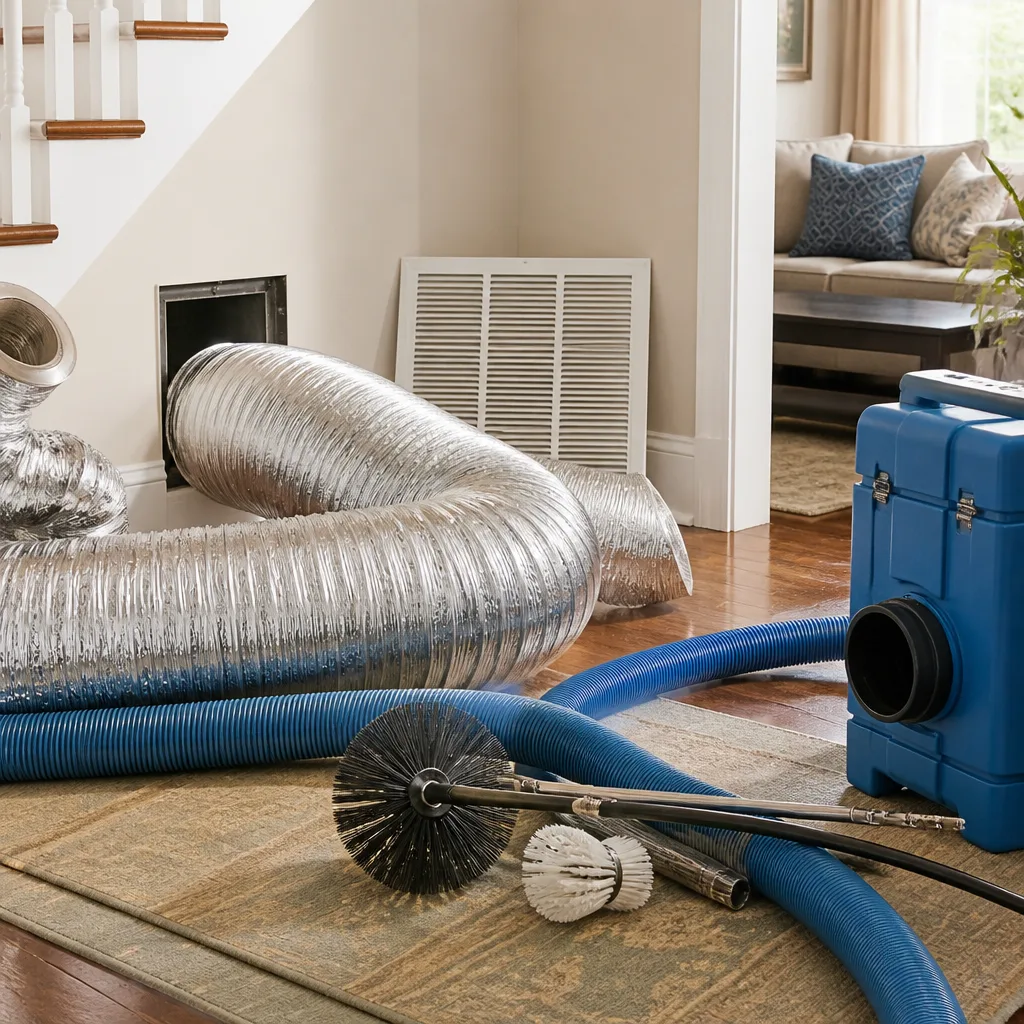 Whole-home duct cleaning
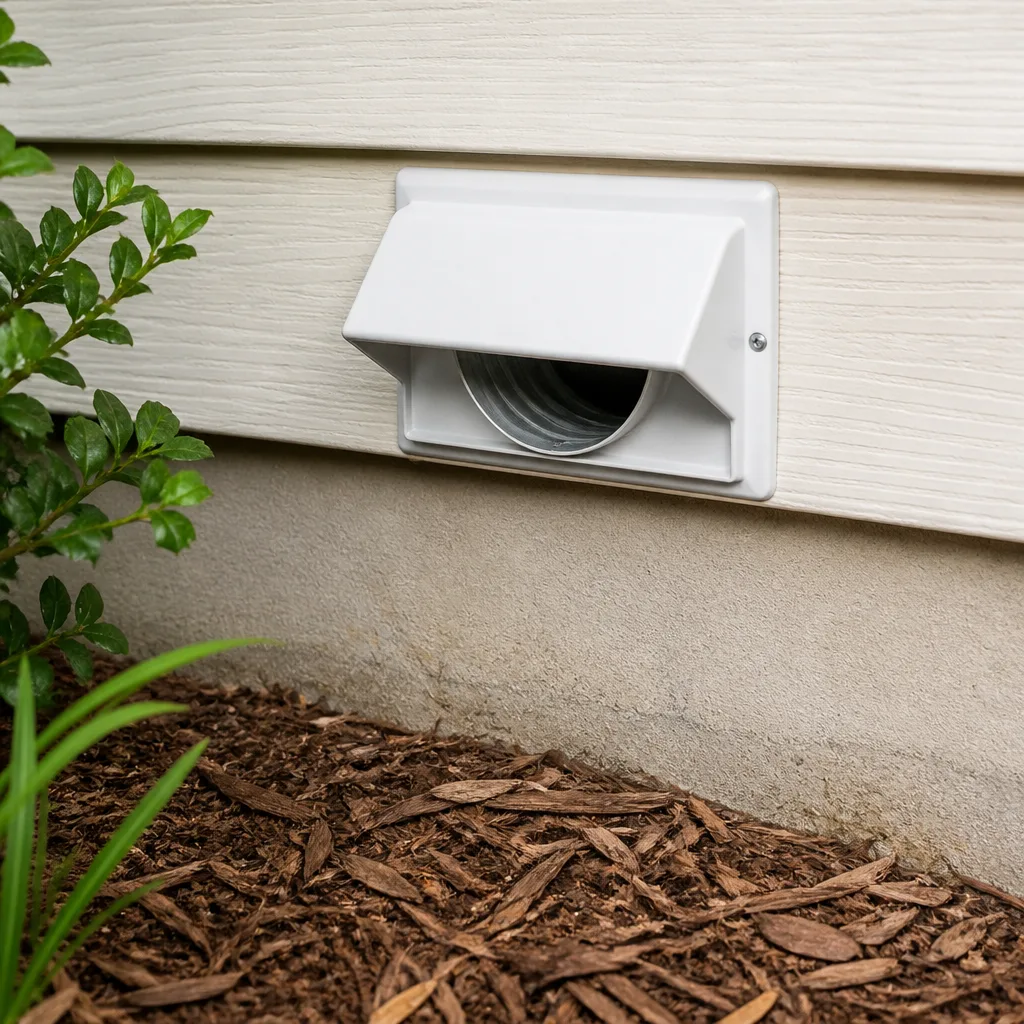 Dryer vent cleaning
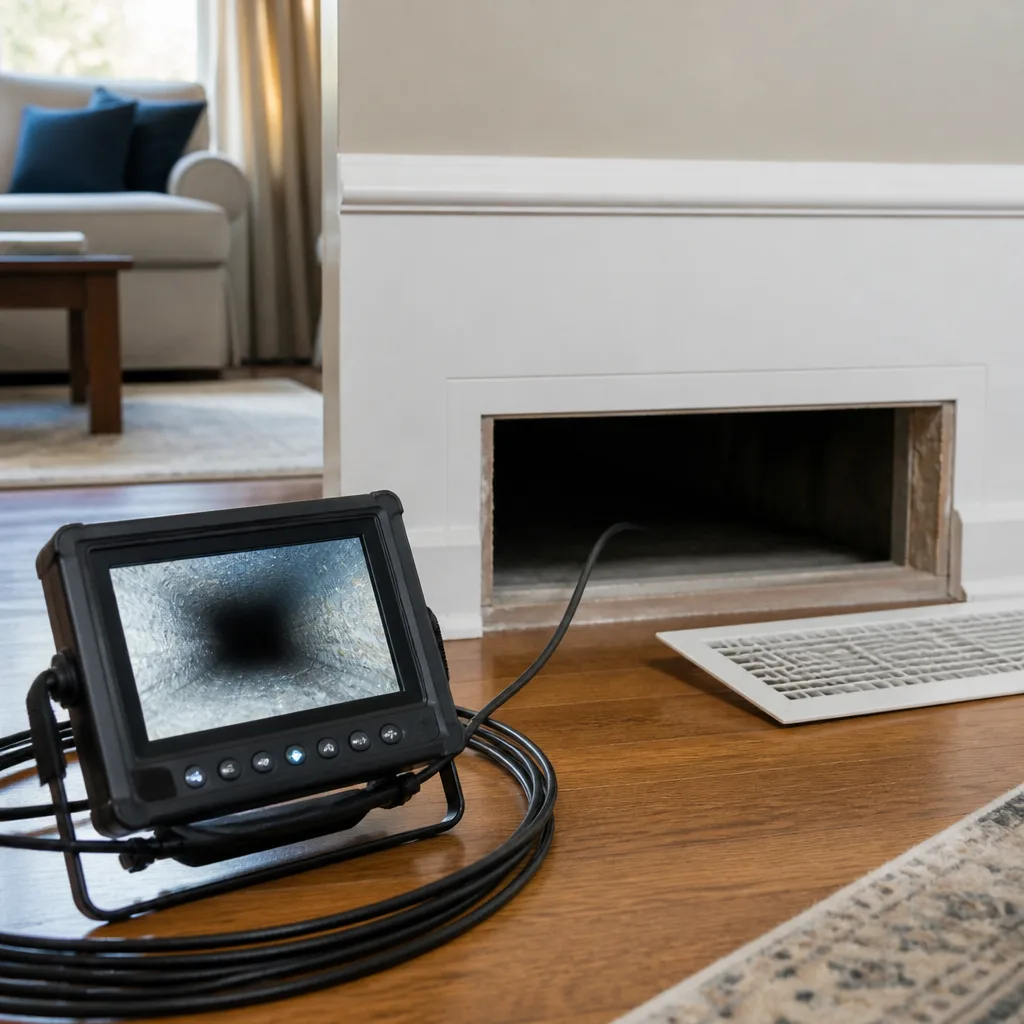 Camera inspection
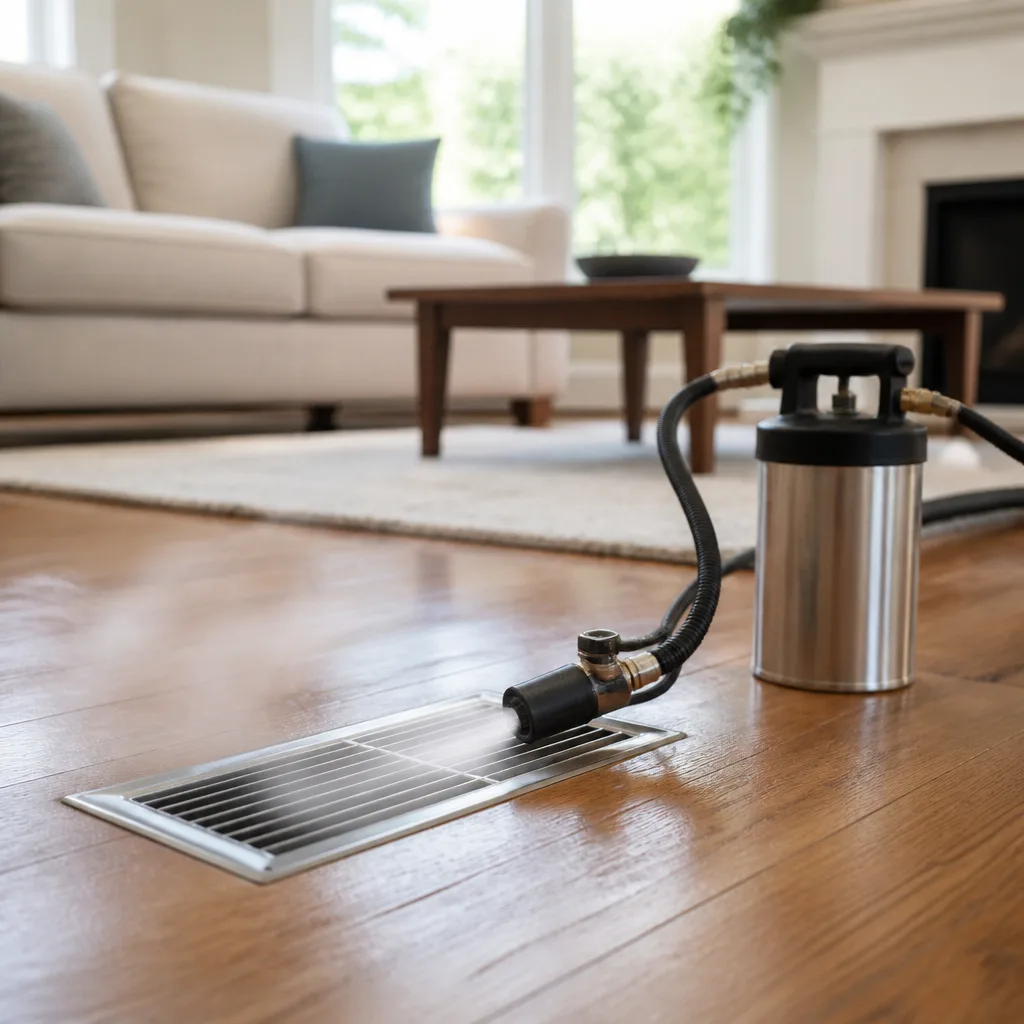 Sanitizing & deodorizing
Whole-system duct and dryer vent check with before-and-after photos - you see exactly what came out of your vents
That "$99 whole-house special" is a bait ad - the real number appears once they are in your hallway, or the "clean" is a shop-vac at the register. We photograph the inside of your ducts before and after instead.
Air Duct Cleaning Permits, Codes & Inspections in Clearwater, FL: What You Need to Know
A standard air duct cleaning in Clearwater doesn’t require a permit. That’s the part most homeowners get right. What they miss is the second half: “while we’re in there” upgrades like duct sealing, liner replacement, or antimicrobial fogging can cross the line into work Florida law says only a licensed contractor may perform. A contractor who cleans ducts but isn’t licensed for mechanical work can’t legally add a spray-on coating or reconnect a run. This guide shows you where that line sits, which agencies draw it, and how to check a contractor’s credentials before you authorize anything.
Quick Answer
Routine cleaning and vacuuming of residential air ducts in Clearwater, FL generally requires no permit, and no state license is mandated for cleaning alone. The moment a job involves duct modification, mechanical system changes, antimicrobial or biocide application, or mold remediation, different rules apply: Florida DBPR licensing, EPA FIFRA chemical regulations, and in some cases Florida’s mold remediation standards. A licensed, insured contractor should be able to tell you which category your job falls into before work starts.
Key Takeaways
- Cleaning alone: no permit and no state license required in Clearwater.
- Duct modification or mechanical connections: mechanical (CAC) licensure territory under Florida DBPR.
- Antimicrobial or biocide fogging inside ducts: EPA FIFRA rules govern the chemicals; application should be done by someone qualified to apply them.
- Mold contamination in ducts: may fall under Florida’s mold remediation standards, a different scope than cleaning.
- Always verify a Florida license through the DBPR online lookup before authorizing work.
Styles & brands we work with
- Whole-home duct cleaning
- Dryer vent cleaning
- Camera inspection
- Sanitizing & deodorizing
Table of Contents
- Are permits required for air duct cleaning in Clearwater?
- Which Florida DBPR license categories apply to duct work?
- EPA FIFRA and antimicrobial application inside ducts
- When City of Clearwater and Pinellas County building departments get involved
- When duct contamination becomes a mold remediation project
- How to verify a Florida contractor’s license in two minutes
- What a duct inspection actually covers
- Questions to ask before you authorize the job
Are permits required for air duct cleaning in Clearwater?
No. A straightforward cleaning of residential ducts, registers, and the air handler cabinet in a Clearwater home does not require a permit from the City of Clearwater or Pinellas County. There’s no state license required for cleaning alone, either. The work is maintenance, not construction, and the same principle applies across Florida.
That answer surprises some homeowners who’ve been told they need to pull a permit for their duct cleaning. It isn’t true, and a contractor who insists otherwise is worth a second look. Where the confusion comes from is the boundary. Cleaning is maintenance. Modifying ductwork is construction, and that changes the rulebook. If the work involves:
- Cutting into or rerouting duct runs
- Adding or removing a supply or return
- Reconnecting a disconnected flex run to a trunk line
- Installing new rigid duct or transitioning to a different duct material
- Sealing ducts with mastic or coating that alters the system
…then you may be looking at mechanical work, which does fall under Florida licensing categories. Not every one of these triggers a permit, but every one of them is the kind of work that should be done by a properly licensed contractor.
This matters in Clearwater because duct systems here run the range from newer construction in developments around Countryside and East Lake to older homes closer to downtown, where original ductwork from decades ago may already be brittle, taped, or patched. In older systems, the cleanup job has a way of turning into a repair job, and a contractor needs to know the difference. Routine air duct cleaning doesn’t cross that line. Repair and modification do. A company that can tell you which one you’re facing before the equipment comes off the truck is a company that understands the code.
Which Florida DBPR license categories apply to duct work?
The Florida Department of Business and Professional Regulation (DBPR) licenses contractors under specific categories. Whether your air duct job needs a licensed contractor depends on which category the work falls into:
- CAC (Certified Air Conditioning Contractor) – covers air conditioning and mechanical system work, including duct installation, modification, and system design changes.
- CAC Class A and Class B – variants with different scope limits, generally tied to the size of systems a contractor may work on.
- RAC (Registered Air Conditioning Contractor) – a local designation for air conditioning work, subject to county registration requirements.
- CGC/CBC (General/Building Contractor) – may apply when duct work is part of a larger structural or building project.
Cleaning alone isn’t listed in any of those categories, because it isn’t mechanical work. Where the licensing question kicks in is when a job goes beyond cleaning into repair, replacement, or modification. A disconnected duct that needs reconnecting is arguably a mechanical repair, not a cleaning repair. An antimicrobial coating applied inside the system raises a separate set of questions (see the EPA section below). And a duct sealant application that changes how the system operates is closer to mechanical work than to maintenance.
We see this in Clearwater because so many homes here have flexible duct systems that were installed when the home was built. When flex duct tears or sags over time, the fix isn’t just cleaning around it. It’s a repair, and repairs of that nature should be handled by someone licensed to do them. Our duct cleaning service covers cleaning, repair, and dryer vent work, and we’re direct about which jobs fall in which lane. When a repair crosses into work that requires a licensed mechanical contractor, we tell the customer that, and we connect them with the right scope of work. That’s how a specialist operates.
EPA FIFRA and antimicrobial application inside ducts
Here’s something most homeowners never hear: applying chemicals inside your air ducts can fall under the Federal Insecticide, Fungicide, and Rodenticide Act, or FIFRA, administered by the U.S. Environmental Protection Agency. FIFRA regulates the sale, distribution, and use of pesticides and antimicrobial products. Duct-applied antimicrobials, biocides, and fogging agents are often classified as pesticides for regulatory purposes.
What that means in practice:
- The chemical must be EPA-registered for the way it’s being used, and for use in HVAC ductwork specifically.
- The applicator must follow the label instructions exactly, including the concentration and the method of application.
- Some products are restricted-use and may only be applied by certified applicators.
- Applying an unregistered product, or applying a registered product in an unapproved way, can be a federal violation regardless of whether the contractor has a Florida contractor license.
This is the reason a contractor who fogging your ducts should be able to show the product label, the EPA registration number, and the application method. It isn’t a step a homeowner should take on faith. We treat chemical application inside ducts cautiously: standard cleaning with professional equipment like Rotobrush and Nikro platforms, plus HEPA-level capture using Abatement Technologies gear, addresses most particulate problems without needing a chemical step at all. Mechanical agitation and HEPA filtration remove the debris without adding anything to the airflow path. When a customer asks for a chemical treatment, we explain what that entails and why verification of the product matters.
If you’re looking at a proposal that includes a spray, a fog, or an antimicrobial coating, ask for the label. Ask what the EPA registration number is, and verify the registration on the EPA’s website. A contractor who knows the rules won’t hesitate to answer.
When City of Clearwater and Pinellas County building departments get involved
Air duct cleaning doesn’t require a permit, but duct-adjacent work sometimes does. The City of Clearwater and Pinellas County building departments issue permits for construction activities that go beyond routine maintenance. Understanding the distinction helps you know when a permit is likely to be part of a duct job:
- Routine cleaning and vacuuming – no permit, no inspection.
- Duct repair or reconnection – generally no permit for repairing an existing run, but work should be done by a qualified contractor.
- Duct system modification or replacement – may require a mechanical permit depending on scope; the building department determines this on a case-by-case basis.
- Replacing an air handler or HVAC unit – typically requires a mechanical permit and a licensed contractor; duct cleaning alongside it is a separate scope.
- Removing or adding supply/return runs – usually a mechanical permit.
- Alterations to a duct system in a multifamily or commercial property – frequently permitted, with inspection before the work is signed off.
For property managers in Clearwater, this matters more than it does for single-family homeowners. A light-commercial assignment, whether it’s an office space near downtown or a multifamily building on the beach side of town, can cross into permit territory more easily, and the building department tracks permits by property address. If you’re a property manager authorizing duct work and are unsure whether a permit is needed, a call to the City of Clearwater building department before the job starts is a good habit. It takes five minutes and eliminates a category of headache.
The Clearwater building department handles permitting for work inside city limits. For properties outside the city, Pinellas County handles it. Either way, the contractor doing the work should be the one responsible for pulling any required permit, not the homeowner. Any contractor who tells you to pull your own permit for their work is telling you something important about how they operate.
When duct contamination becomes a mold remediation project
Cleaning and remediation are not the same thing, and in Florida the difference carries specific contractor requirements. A duct system that has visible biological growth, elevated humidity damage, or contamination connected to a moisture problem may not be solvable by cleaning alone. That’s when the job shifts from cleaning to remediation.
Florida has specific standards for mold remediation, including guidelines established by the Florida Department of Health and referenced in state licensing frameworks. Those guidelines address containment, removal, and verification. A cleaning contractor who encounters visible growth inside a duct system should recognize it and tell the customer what they’re looking at, not simply vacuum over it and move on.
What changes when a job becomes remediation:
- Containment is required to prevent spores from migrating to other parts of the home.
- Negative air pressure and HEPA filtration are typically necessary.
- Personal protective equipment for the workers is a given.
- Some scopes require a licensed mold assessor or remediator, which is a separate Florida license from a cleaning contractor.
- Verification (post-remediation testing) may be called for to confirm the work is complete.
This is why equipment matters. Contractors who run consumer-grade shop vacs and call it a duct cleaning aren’t equipped for a remediation scope, and they shouldn’t take one on. Equipment like Abatement Technologies negative-air machines and Nikro HEPA vacuums signals a contractor has the capability to contain particulate. That equipment doesn’t make a cleaner a remediator, but it does mean the contractor is set up to recognize the problem and hand off appropriately. If your ducts show visible growth and you’re in Clearwater, the honest answer from a cleaning specialist should be that remediation is a separate job with its own requirements, not a “we’ll handle it.”
How to verify a Florida contractor’s license in two minutes
The Florida DBPR maintains a public online license lookup at MyFloridaLicense.com. You can verify any contractor’s license status in about two minutes. Here’s how:
- Go to the DBPR license search page.
- Choose “Search by Licensee Name” or “Search by License Number” (ask the contractor for their license number first).
- Enter the information and click search.
- Look at the results: status should read “Current, Active” or similar.
- Check the license type. A CAC license covers mechanical work. A general contractor license covers construction. If the license type doesn’t match the work being proposed, ask why.
- Check for complaints and disciplinary actions in the record.
A legitimate contractor will provide their license number without hesitation. A contractor who can’t, or who deflects, is telling you something. We encourage every Clearwater homeowner to run this check before authorizing any work beyond routine cleaning, whether the contractor is a duct specialist, an HVAC company, or a handyman who says they can do it cheap.
For cleaning-only work, no state license is required, so you won’t find a DBPR record. That’s not a red flag on its own. What you can verify instead is general liability insurance and workers’ compensation coverage. Ask for a certificate of insurance and call the insurer to confirm it’s current. For residential cleaning, that’s the relevant check. For anything involving modification or repair, the DBPR lookup is the standard.
What a duct inspection actually covers
A duct cleaning job that includes a proper inspection is more than vacuuming. It’s a look at the entire system to see what’s really going on. Here’s what a thorough inspection in a Clearwater home generally involves:
- Air handler cabinet – checking the blower, the evaporator coil area, and the filter housing for debris and microbial growth.
- Main trunk lines – inspecting for disconnected or crushed flex duct, damaged joints, and debris accumulation.
- Branch runs – checking individual supply runs, which are frequently the site of tears and sagging in older Clearwater homes.
- Registers and grilles – removing and cleaning supply registers, return grilles, and the boot transitions.
- Filtration components – checking the filter media, filter frame, and any air-cleaner hardware (Honeywell and Aprilaire systems are common in this area).
- Dryer vent – if it’s assessed alongside, checking for lint buildup, crushed hose, and proper termination outside the building envelope.
A good inspection identifies problems before they become a surprise. If your contractor’s “inspection” is a visual scan with a flashlight while they’re already cleaning, ask what the pre-cleaning assessment found. Documented conditions, ideally with photos, are how a professional job starts. We photograph the system before and after cleaning so the customer can see what changed. That doesn’t replace a mechanical contractor’s inspection, but it does set an honest baseline for what was cleaned and what was found.
Questions to ask before you authorize the job
Before you hire any contractor for duct work in Clearwater, get clear answers to these. A contractor who can answer them confidently is set up to do the job properly. One who can’t is a liability risk.
- “What’s the scope of work in writing?” – Cleaning, repair, dryer vent, or a combination. Each should be itemized.
- “Are you licensed for the work being proposed?” – For cleaning, no license is required. For repair or modification, ask for the license number.
- “Does this job require a permit?” – If yes, who is pulling it?
- “What equipment are you using?” – Named equipment beats vague assurances. Rotobrush, Nikro, Abatement Technologies are all professional-grade. “A big vacuum” is not.
- “Will you photograph before and after?” – A contractor who can’t show you the work is asking you to trust them without evidence.
- “Is any chemical being applied?” – If yes, ask for the EPA registration number and label.
- “What’s the total price, and is it per system or per vent?” – Watch for per-vent pricing and teaser coupons. A flat price per system agreed in advance is how a fair job is priced.
Common Mistakes to Avoid
- Authorizing “duct sealing” you didn’t ask for. Adding mastic or a spray coating to a duct system is a modification, not a cleaning step. Ask what the product is and who is licensed to apply it before you say yes.
- Accepts a chemical fog as part of standard cleaning. Antimicrobials applied inside ducts are regulated as pesticides under EPA FIFRA. If a contractor includes a fog without discussing the label, ask why.
- Assumes a contractor with a cleaning truck is licensed for mechanical repairs. Cleaning requires no license. Repair and modification do. Ask for the license number if the job crosses that line.
- Skips the DBPR lookup. A two-minute check on a contractor’s license status could save you a much longer conversation. It’s free and it’s public.
- Hires based on the lowest coupon price. Per-vent pricing and teaser coupons are common bait-and-switch patterns in Clearwater and elsewhere. Ask for a whole-system flat price, in writing, before work starts.
- Confuses cleaning with remediation. If your ducts show visible biological growth, cleaning is not the fix. That’s a remediation scope with its own requirements.
- Ignores the dryer vent. Dryer vents are often forgotten but represent a documented residential fire hazard. Emptying the lint trap isn’t enough; a full vent clean addresses the buildup inside the run itself.
See the difference
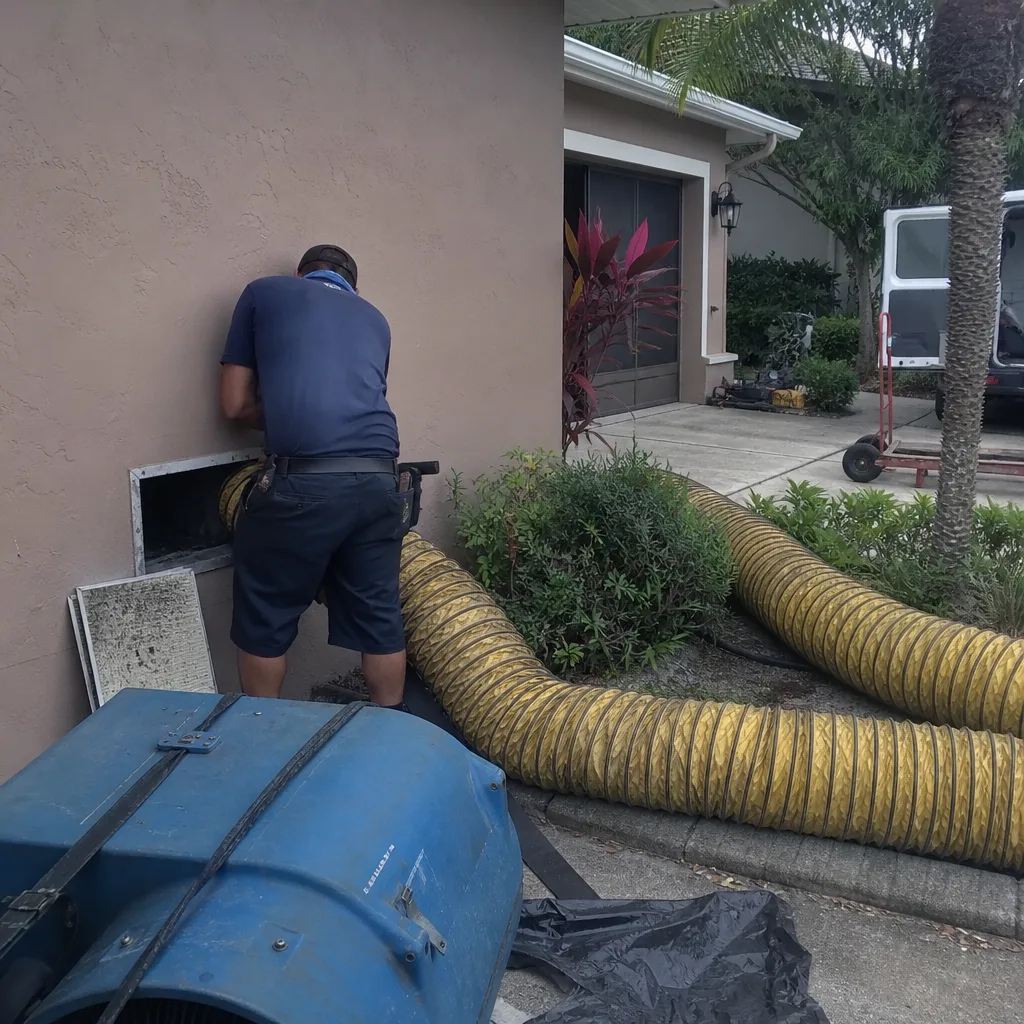 Before
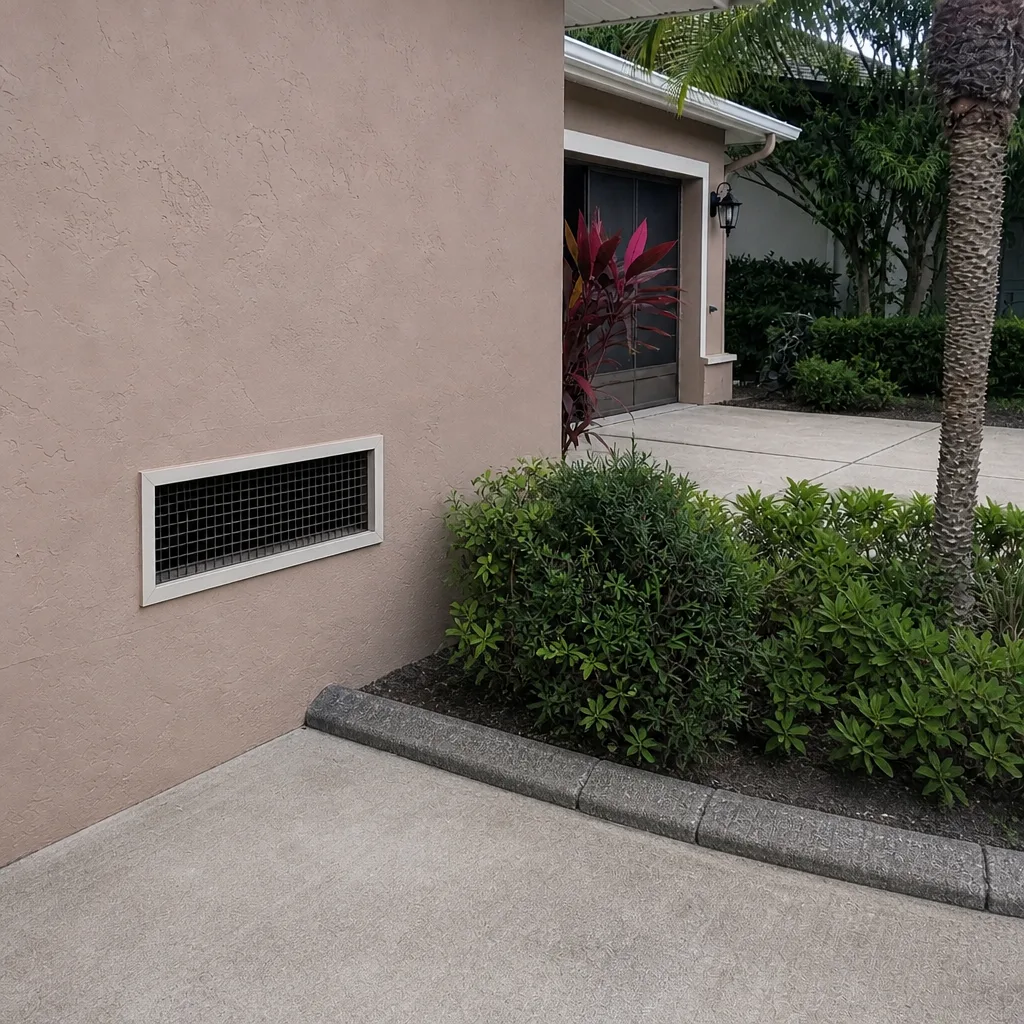 After
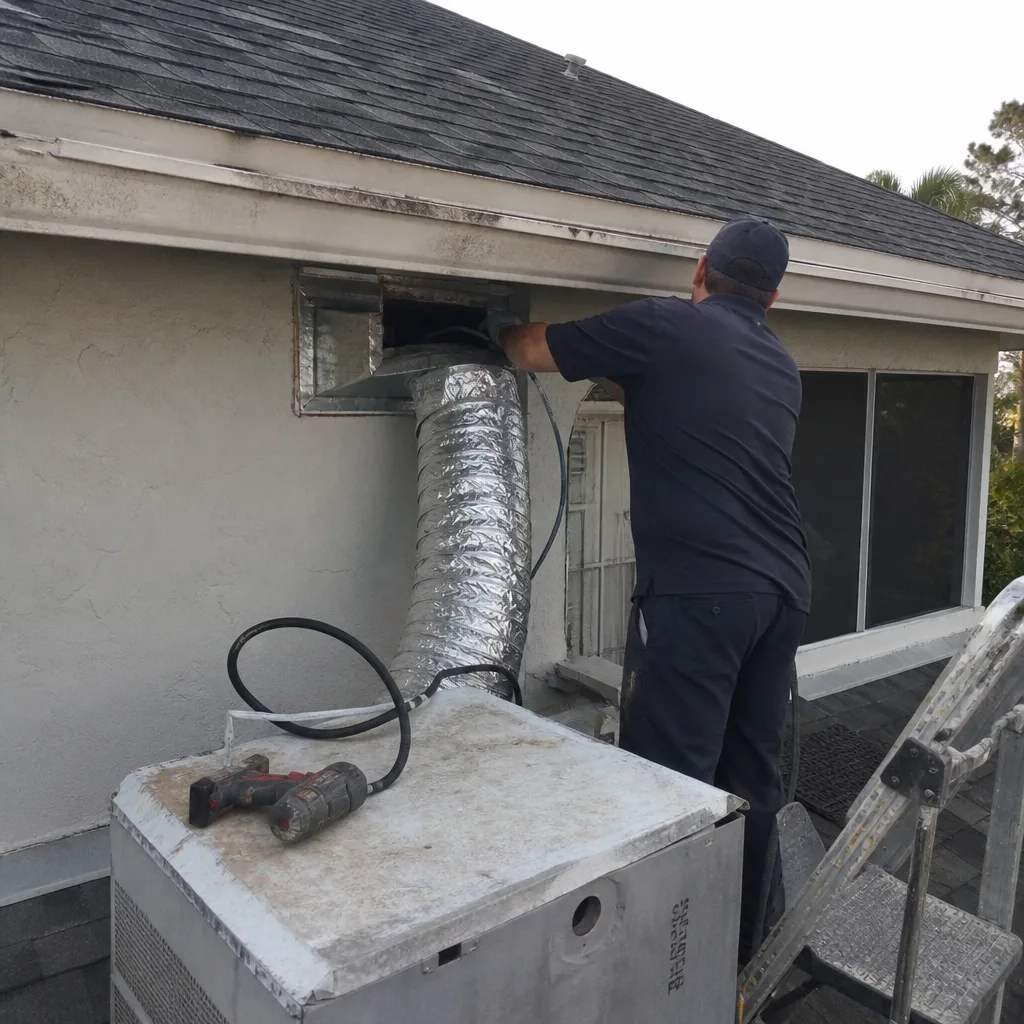 Before
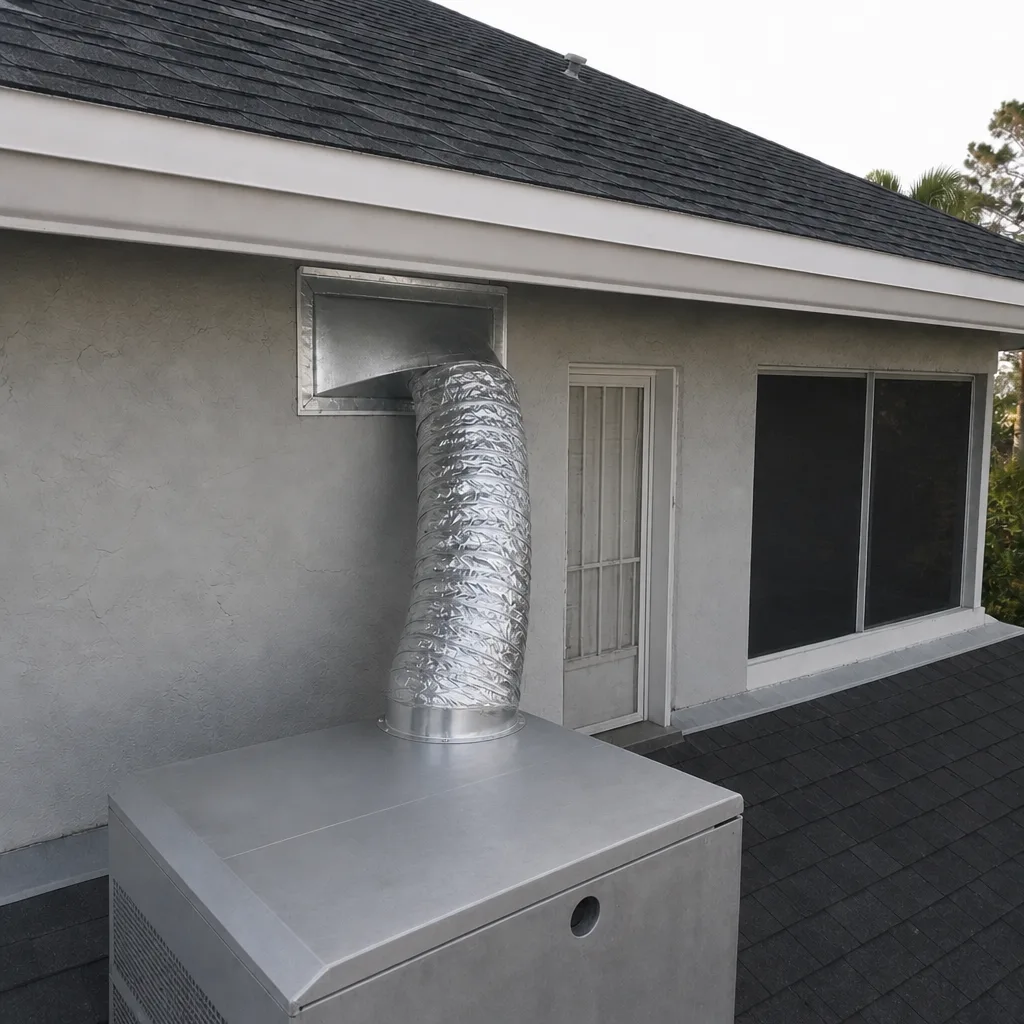 After
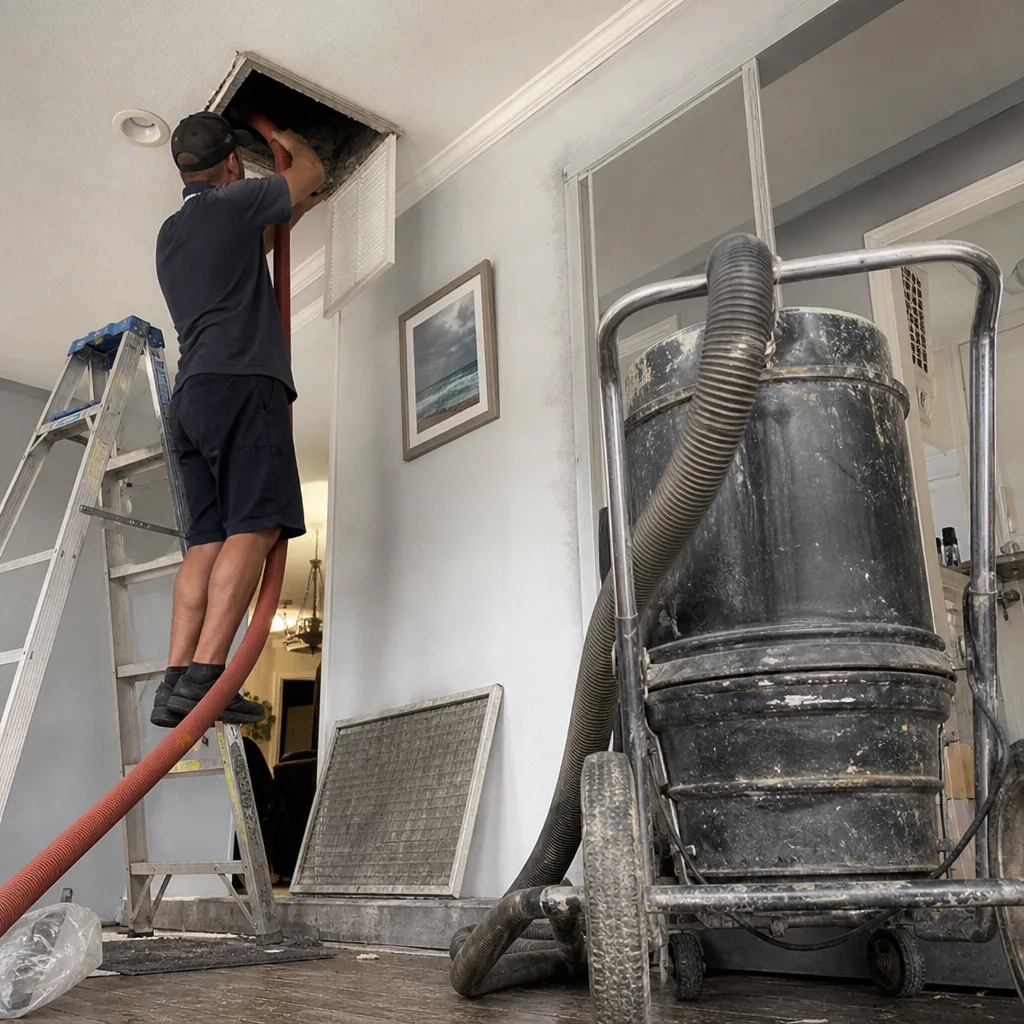 Before
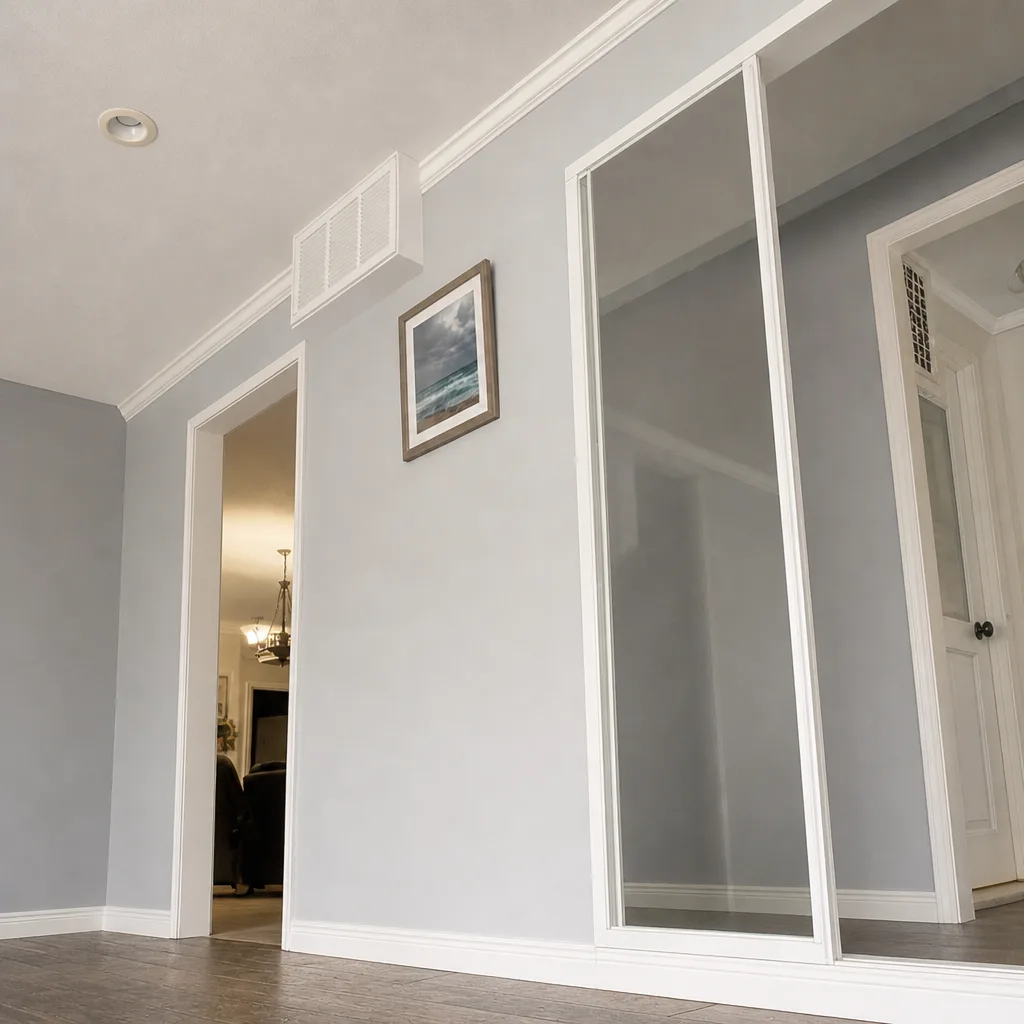 After
When to Call a Professional
Call a professional when you notice high dust accumulation on registers, visible debris discharge from supply vents, a musty odor coming from the HVAC return, or symptoms that worsen when the system runs. We also recommend a professional inspection when you’ve recently moved into a Clearwater home and don’t know the duct system’s history, when you’re planning a renovation, or when you’re managing a rental property between tenants. Duct Cleaning Clearwater offers free estimates in Clearwater. Call (844) 238-0931 for a written price per system before work starts. Our technicians have up to 13 years of experience, and we’ll tell you honestly if a job you’re describing is a cleaning, a repair, or a remediation scope that needs a specialist.
Frequently Asked Questions
No. Routine cleaning of residential air ducts in Clearwater does not require a permit from the City of Clearwater or Pinellas County building departments. Permits become relevant only when the work crosses into duct modification, duct system replacement, or connection to mechanical equipment requiring licensure. Call (844) 238-0931 for an exact quote on cleaning, repair, or dryer vent work.
No state license is required for cleaning alone. Florida DBPR licenses contractors in categories like Certified Air Conditioning Contractor (CAC) for mechanical work, but cleaning is classified as maintenance, not mechanical work. When the same job includes duct repair or modification, licensing and possibly permitting become relevant. Ask for the license number if repair is part of the scope.
FIFRA governs the use of antimicrobial products and pesticides, and that includes anything sprayed or fogged inside a duct system. If a contractor proposes a chemical treatment, ask for the EPA registration number on the product label. An unregistered product, or one applied outside its label directions, can be a federal violation. Verify before you approve.
When ducts show visible biological growth, persistent musty odor, or contamination connected to water damage, cleaning alone may not solve the problem. Florida’s mold remediation standards address containment, removal, and verification, and sometimes require a separate licensed mold assessor or remediator. A reputable cleaning specialist should recognize that scope and tell you.
Use the Florida DBPR online license lookup at MyFloridaLicense.com. Search by licensee name or license number and confirm the status reads “Current, Active.” For cleaning-only work, no license exists to check, so ask for a certificate of insurance and confirm the coverage is current. Call (844) 238-0931 to schedule a free estimate.
Not for routine cleaning. Building inspections are triggered by permitted construction work, such as a mechanical permit for duct modification or HVAC replacement. A cleaning job doesn’t get signed off by an inspector because it’s maintenance. If a contractor tells you an inspection was required for a cleaning, ask for documentation.
The Bottom Line
Cleaning your ducts in Clearwater doesn’t require a permit, and no state license is mandated for the cleaning work itself. That simplicity is the good news. The work that comes alongside cleaning – repair, modification, chemical treatment, remediation – carries a different set of rules, and the contractor’s credentials matter. Verify licenses through the DBPR, ask what equipment is being used, ask for the chemical label if a chemical is involved, and confirm the price is per system, not per vent. Our team handles cleaning, repair, and dryer vent cleaning as distinct services, so you get an honest answer about what your job actually needs.
Call (844) 238-0931 for a free estimate. We answer 24/7. Fast dispatch from 7am to 7pm, Sunday through Friday. Every job comes with a flat price per system agreed before work starts, before-and-after photos of your own ducts, and a team that will tell you when a job is outside our scope and needs a specialist.
Written by the team at Duct Cleaning Clearwater.