
Last updated November 16, 2026
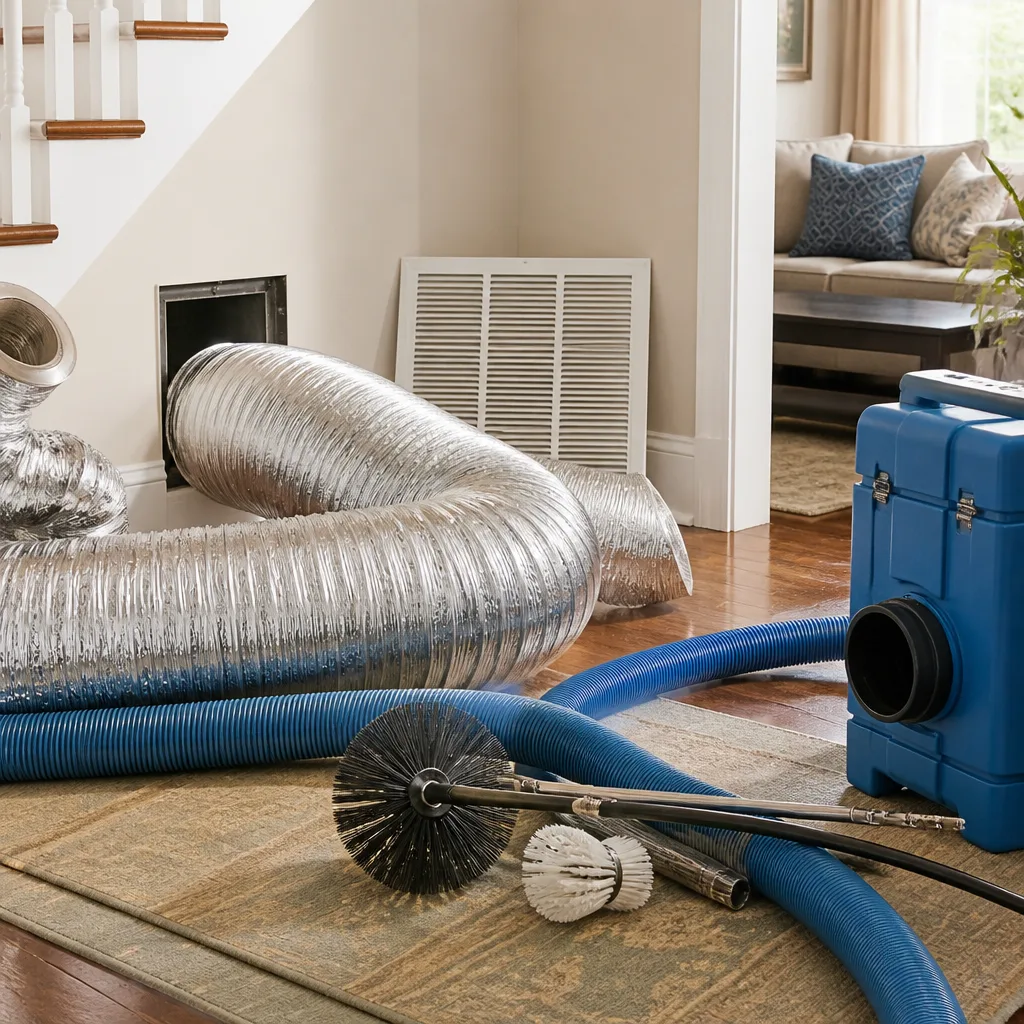 Whole-home duct cleaning
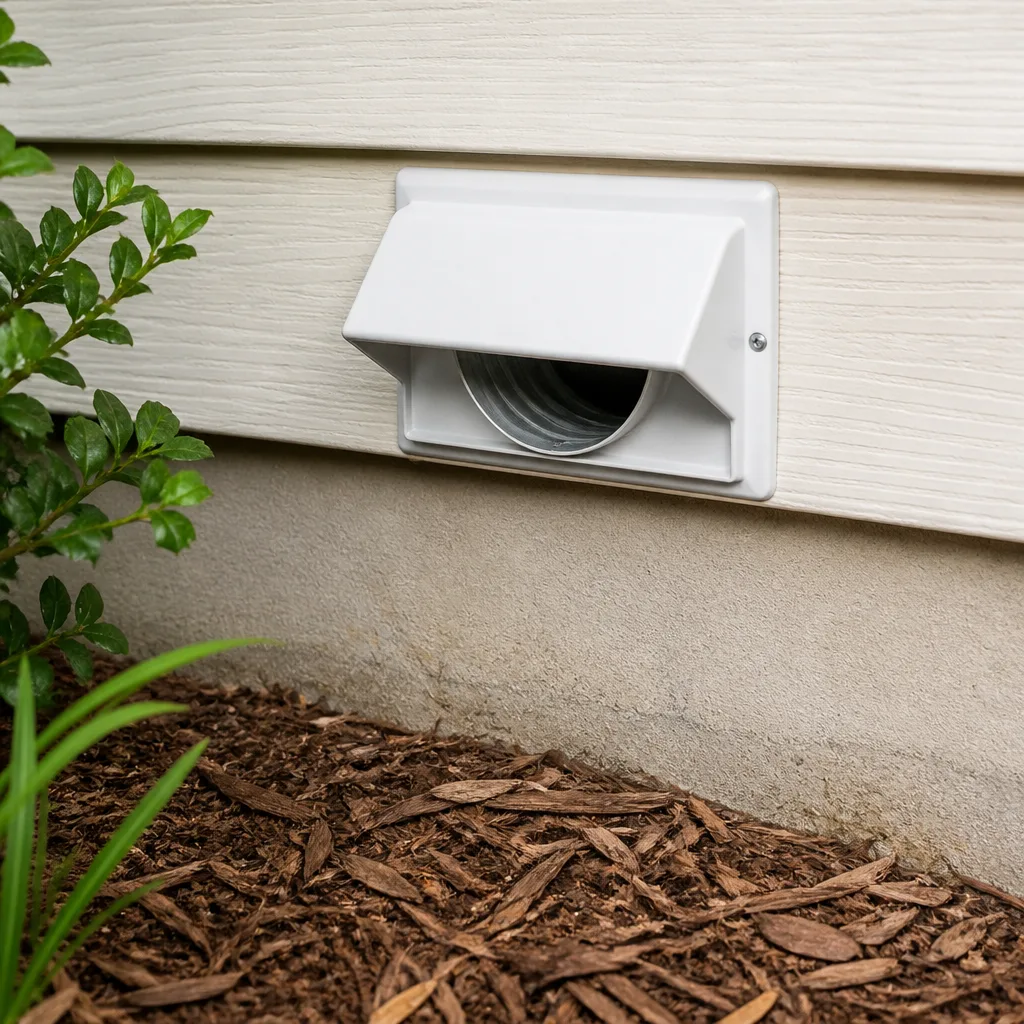 Dryer vent cleaning
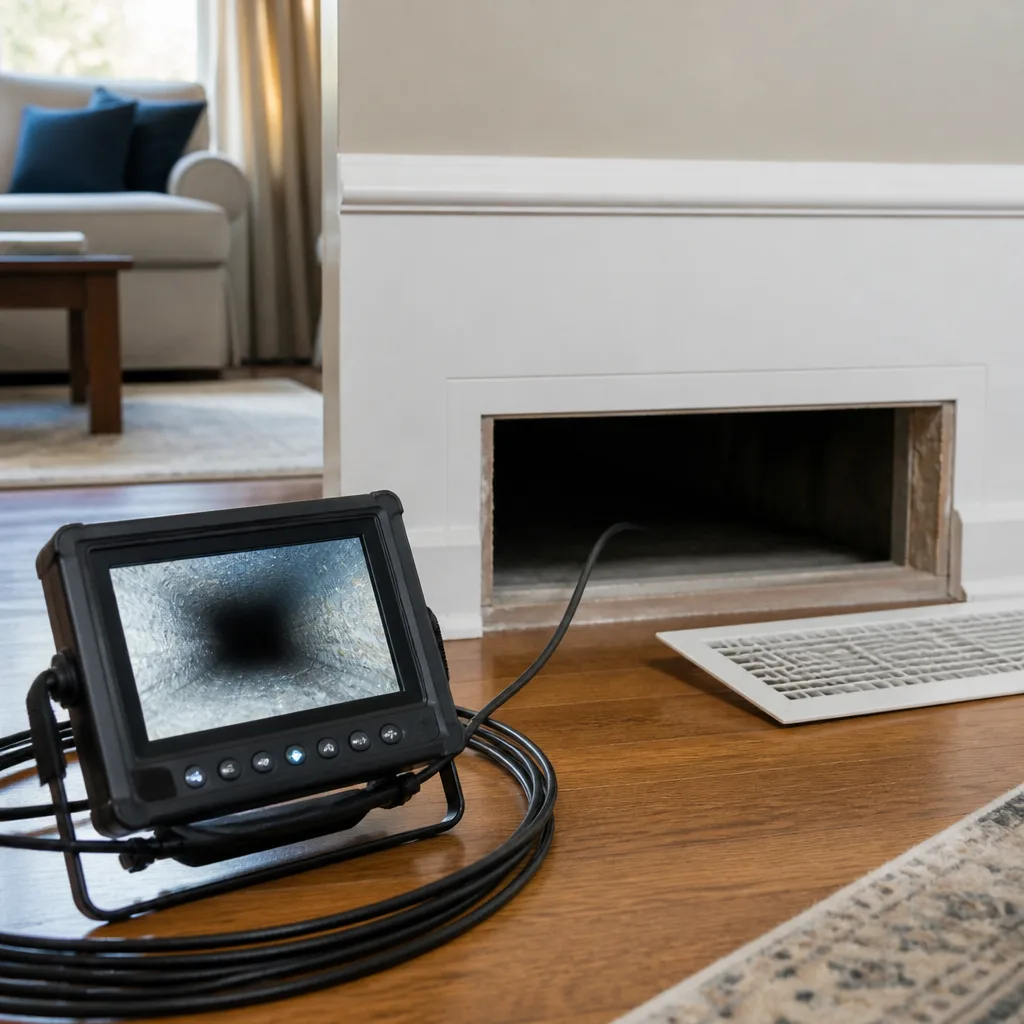 Camera inspection
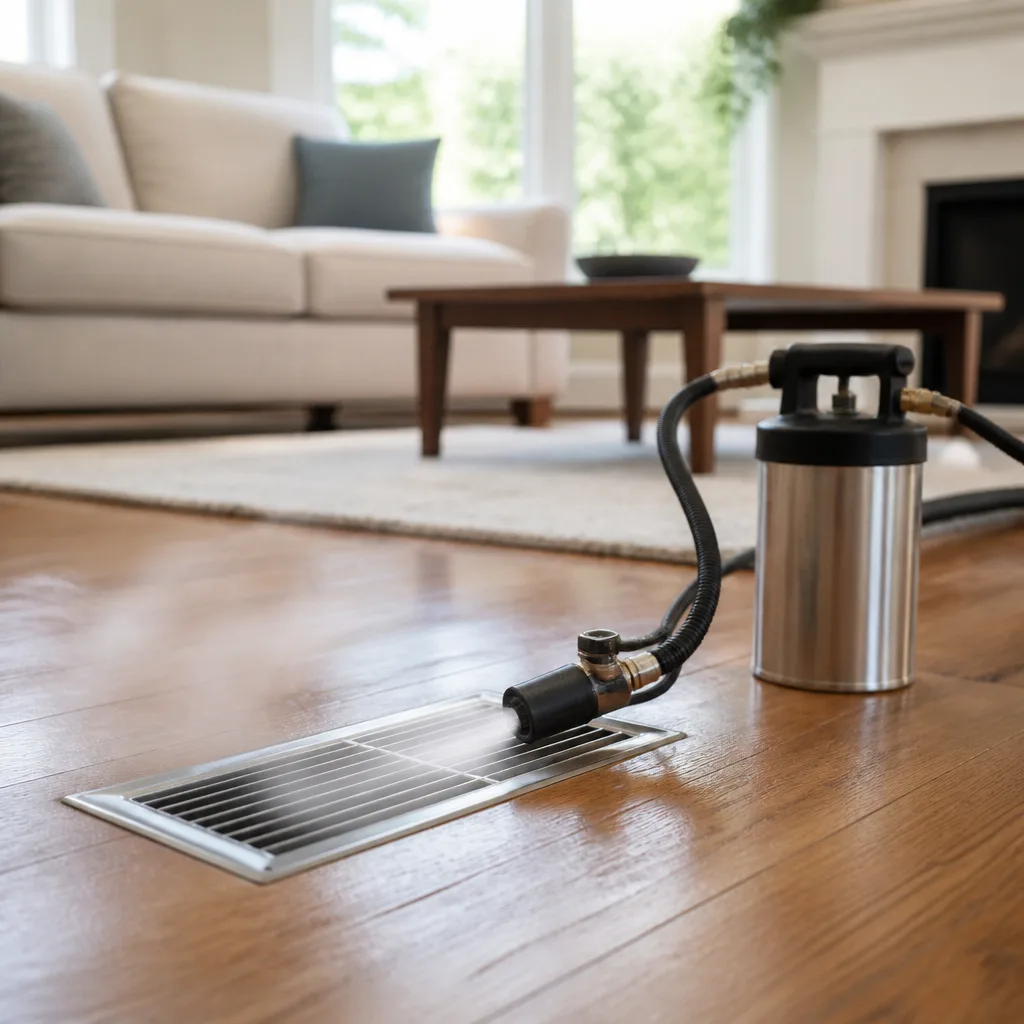 Sanitizing & deodorizing
Whole-system duct and dryer vent check with before-and-after photos - you see exactly what came out of your vents
That "$99 whole-house special" is a bait ad - the real number appears once they are in your hallway, or the "clean" is a shop-vac at the register. We photograph the inside of your ducts before and after instead.
Air Duct Cleaning Emergency Preparedness Guide for Clearwater Homes
After a hurricane, most Clearwater homeowners check the roof, the windows, and the yard. The ductwork rarely makes the list. That’s the mistake. A storm that drives rain sideways, lifts attic insulation, or pulls smoke into a house turns your duct system into a collection chamber, and the moment the air handler kicks back on, that material starts moving through every room. What follows isn’t a cleaning problem so much as a timing problem: act too fast and you spread contamination, act too slow and it settles, bonds, and grows. This guide walks through the duct-specific response for the emergencies Clearwater actually sees – hurricanes, water intrusion, insulation displacement, and fire – and what to document before you authorize any work.
Quick Answer
After a storm, flood, or fire in Clearwater, keep the HVAC system off until the ductwork has been inspected, because running it can distribute debris, moisture, and smoke residue through the whole house. Water intrusion anywhere in the building envelope puts ducts on a contamination clock measured in hours to a few days, not weeks. Once the system is verified dry and clear, professional cleaning with HEPA-level containment removes what settled before it becomes a remediation job.
Styles & brands we work with
- Whole-home duct cleaning
- Dryer vent cleaning
- Camera inspection
- Sanitizing & deodorizing
Table of Contents
- Post-Hurricane Protocol: When to Run the System and When to Leave It Off
- Flood and Water Intrusion: The Contamination Timeline
- Attic Insulation Displacement and Duct Penetrations
- Fire and Smoke Events: Ducts Before Occupancy
- The First Inspection: What to Check Before Normal Operation
- What to Document for Insurance Before Authorizing Work
- When Cleaning Isn’t Enough: Duct Repair After Storm Damage
- Common Mistakes to Avoid
Post-Hurricane Protocol: When to Run the System and When to Leave It Off
The single most consequential decision after a hurricane in Clearwater is whether to turn the air conditioning back on. If the system took on water, pulled in debris, or lost a return connection in the attic, running it turns a contained problem into a whole-house one. The safe default is off until you’ve looked.
Here’s the sequence we recommend homeowners follow once it’s safe to walk the property:
- Photograph everything before touching it. Ceiling stains, wet insulation, displaced flex duct, debris at return grilles. Insurance documentation starts here.
- Check the air handler and return plenum for standing water. Any water inside the cabinet or at the return means the system stays off.
- Look at the attic runs. Flex duct that’s sagging, kinked, torn, or disconnected from a boot is a direct path for insulation, dust, and humid air into the supply side.
- Pull a return grille and look inside with a flashlight. Visible insulation, leaves, or grit means the system needs service before it runs.
- Check the outdoor condenser for debris – palm fronds, shingles, screen fragments. A clogged coil strains the system once it does come back on.
- Let a professional verify before you run it for long. A short test to confirm airflow is one thing; running it for days on a contaminated system is another.
Clearwater’s summer humidity is the complicating factor. When a house sits with the AC off after a storm, indoor humidity climbs fast, and any moisture that reached the ducts has ideal conditions to support microbial growth. That’s why the inspection matters more here than in a drier climate. If you’re unsure where to start, our duct cleaning Clearwater overview covers the service scope and what a proper assessment includes.
Flood and Water Intrusion: The Contamination Timeline
Water entry at any point in the building envelope – a failed window, a roof breach, a rising water line through the slab, a soaked attic – affects ductwork even if the ducts themselves never touched floodwater. Wet building materials raise indoor humidity, and ducts are connected to every room. Here’s how the contamination timeline usually runs.
- First 24 hours: Free water is present. Wet insulation, saturated drywall, and puddled ductwork create a moisture source the air handler will happily distribute. Do not run the system.
- Hours 24 to 72: Surface moisture begins to evaporate into the airstream. Porous duct liner and flex duct – common in Clearwater homes – absorb moisture and hold it. This is the window where cleaning does the most good.
- Day 4 to day 10: Sustained high humidity in an unconditioned house gives mold and mildew a foothold in wet duct liner, plenum interiors, and insulation. At this point the job changes character.
- Beyond two weeks: Material that’s been wet and warm that long is generally no longer cleanable. Duct sections get replaced rather than cleaned, and the scope starts looking like remediation rather than routine service.
That last point matters for expectations. Duct cleaning and duct remediation are different scopes. Cleaning removes accumulated debris and restores airflow and air quality in a system that’s structurally sound and dry. Remediation – the work done after a Category 2 or Category 3 water event – involves containment, removal of contaminated porous materials, and sometimes replacement of insulation and duct runs. If your home took on floodwater that carried silt or sewage, cleaning alone isn’t the right answer, and it’s worth asking the question directly before authorizing work.
What professional cleaning after a milder event does is capture the particulates and dry the system thoroughly so the contamination clock stops. We use Abatement Technologies and Nikro equipment to hold HEPA-level capture during that process – the same class of containment gear restoration crews work with, applied here to a residential job.
Attic Insulation Displacement and Duct Penetrations
Storm pressure events – the rapid pressure changes that accompany a hurricane – routinely displace blown attic insulation. It shifts, lifts, and settles into new patterns, and where duct penetrations are poorly sealed, it ends up inside the duct system. This is one of the most overlooked post-storm problems in Clearwater homes that have attic-mounted air handlers and flex runs.
Here’s how to spot it:
- Insulation pushed against or over return grilles in the ceiling, especially near the air handler closet.
- Visible fibers inside the return boot when you remove the grille – white, pink, or gray fibrous material where it shouldn’t be.
- Uneven or reduced airflow at some registers but not others, often a sign a run is partially packed.
- Increased dust on surfaces that shows up right after the system comes back on.
Identifying this is straightforward. Fixing it is not, because it usually reveals a second problem: the penetration itself isn’t sealed. Gaps where duct boots meet drywall or framing, or where flex duct passes through attic decking, let insulation in and conditioned air out. Cleaning the system pulls out what’s lodged inside. Air duct cleaning paired with a proper inspection also shows where the sealing work is needed so it doesn’t happen again next storm season. We repair what we find – Air Duct Repair is part of our scope precisely because a cleaning that leaves broken connections in place is half a job.
Fire and Smoke Events: Ducts Before Occupancy
After a fire, the duct system must be addressed before anyone moves back in. Smoke residue isn’t just an odor problem. Combustion byproducts settle as a film inside duct interiors, on the blower wheel, and on the evaporator coil. Turn the system on without cleaning it, and that residue gets redistributed through every room.
Professional smoke and char removal from ducts is a different job from routine cleaning. It generally involves:
- Containment at returns and registers with negative air pressure so residue doesn’t migrate into cleaned areas.
- Mechanical agitation of duct interiors to break the residue film loose, using equipment like the Rotobrush platform.
- HEPA-level vacuum capture so loosened material is collected, not stirred into the air. This is where Abatement Technologies equipment earns its keep.
- Assessment of the air handler and coil – smoke travels through the equipment, and a clean duct system connected to a contaminated coil will re-contaminate quickly.
- Filtration hardware evaluation. If the home has Honeywell or Aprilaire components, those media need inspection and often replacement after a smoke event.
One honest note about scope. Duct cleaning removes residue from the duct system, but it’s not structural fire restoration and not mold remediation. If the fire damage reached framing or the home has a contamination problem beyond the ducts, that work belongs with a licensed restoration contractor, and we’ll say so. Our job is the ventilation system.
The First Inspection: What to Check Before Normal Operation
A practical inspection after any storm, water, or smoke event follows the same order every time. It takes about twenty minutes and it protects you from authorizing work you don’t need – or skipping work you do.
- Outside first. Look at the condenser for debris and check that the pad and lines are intact. Confirm no visible damage to the unit.
- Air handler cabinet. Open the access panel. Look for standing water, rust streaks, or evidence of water lines. If any water is present, stop and call.
- Filter. Pull it. A wet or heavily loaded filter after a storm tells you what the system pulled in.
- Attic duct runs. Follow each flex run from the air handler to the boot. Look for disconnected joints, crushed sections, and insulation contact.
- Return grilles. Remove one or two and check for debris, insulation fibers, or visible moisture.
- Supply registers. Check for airflow inconsistency and any visible dust plumes when the system is briefly test-run.
- Odor. A musty or smoky smell when the system runs is a signal, not a nuisance.
If everything looks dry and intact, a short test run is reasonable. If anything looks wet, torn, or packed with debris, keep the system off until it’s been assessed. Our team at Clearwater handles these inspections and can tell you plainly whether you’re looking at cleaning, repair, or neither.
What to Document for Insurance Before Authorizing Work
Documentation is the part homeowners skip, and it’s the part that costs money later. Before anyone touches your ductwork after a covered event, get the record straight.
- Photograph before and after. Ceiling stains, wet insulation, displaced duct runs, debris in returns, and the state of the air handler.
- Note the date and time each condition was observed, and whether the system was running when the event occurred.
- Keep your service records. Before-and-after photos of your own ducts are the most persuasive evidence that the work was actually performed and performed where you could see it.
- Get a written scope. Any estimate should specify what’s being cleaned, what’s being repaired, and what’s outside the scope – especially if remediation or restoration is involved.
- Keep the estimate and the invoice separate from the inspection notes. Insurers want to see what was found and what was authorized as distinct steps.
We can work with your insurer on documentation, but we can’t promise to bill them directly – that depends on your policy and adjuster. One flat price per system, agreed before work starts, keeps the paperwork simple either way.
When Cleaning Isn’t Enough: Duct Repair After Storm Damage
Storm damage doesn’t only bring contamination. It brings mechanical failure: flex duct torn loose from a boot in the attic, a crushed run where something fell, a supply plenum connection that pulled apart under pressure. A cleaning on a system with disconnected runs is wasted work, because the system is pulling attic air into the house instead of circulating conditioned air.
Air Duct Repair covers reconnecting and resealing compromised runs so the system actually does its job after cleaning. After a storm event in Clearwater, the repair list often includes:
- Reattaching flex duct that separated from boots or the plenum
- Replacing crushed or water-soaked duct sections
- Resealing penetrations so attic insulation stays in the attic
- Restoring proper return connections at the air handler
Doing cleaning and repair in one scope means the system is verified closed and clean at the same time, rather than cleaned and then reopened for repair. It’s also why we stock Honeywell and Aprilaire filtration components – if the hardware behind the ducts needs attention, it gets handled in the same visit rather than another appointment.
Common Mistakes to Avoid
- Turning the AC back on to “dry things out.” If there’s moisture in the ducts or the air handler, running the system spreads it. Dry the building first, not by running a wet system.
- Assuming no visible water means no problem. Duct liner and flex duct hold moisture out of sight. Visible water on the ceiling is the late signal, not the early one.
- Skipping the attic inspection. In Clearwater’s storm season, insulation displacement is common and easy to miss from inside the house.
- Cleaning before repairing. A cleaning on a system with disconnected runs is wasted work, because the system pulls attic air in through the gap.
- Authorizing work before documenting. Photos taken before anything is moved are the record your insurer will ask for later.
- Treating a flood event as a cleaning job. Water that carried silt or sewage changes the scope from cleaning to remediation, and the two aren’t interchangeable.
- Forgetting the dryer vent. Storm damage and post-storm debris also affect the dryer vent run, and compressed lint in a restricted vent is a well-documented fire hazard. dryer vent cleaning is safety maintenance, not optional upkeep.
See the difference
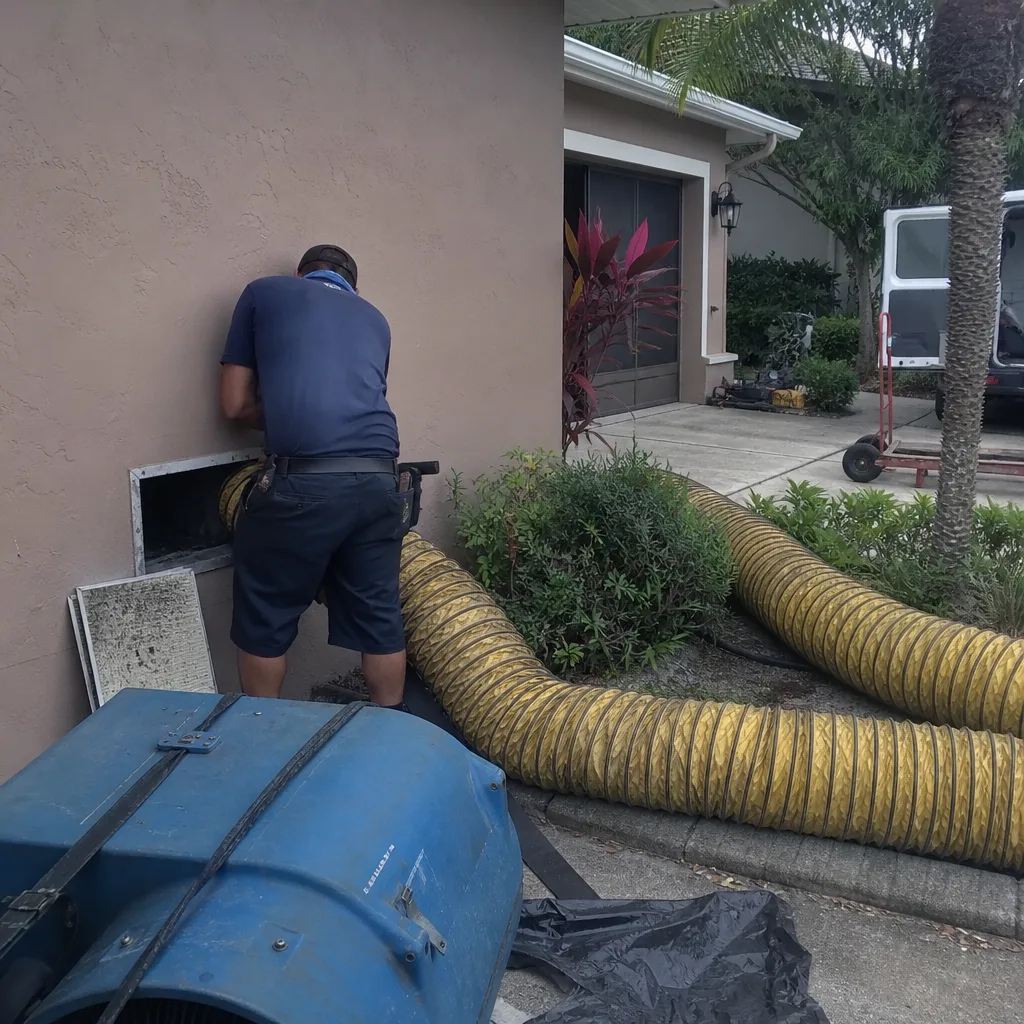 Before
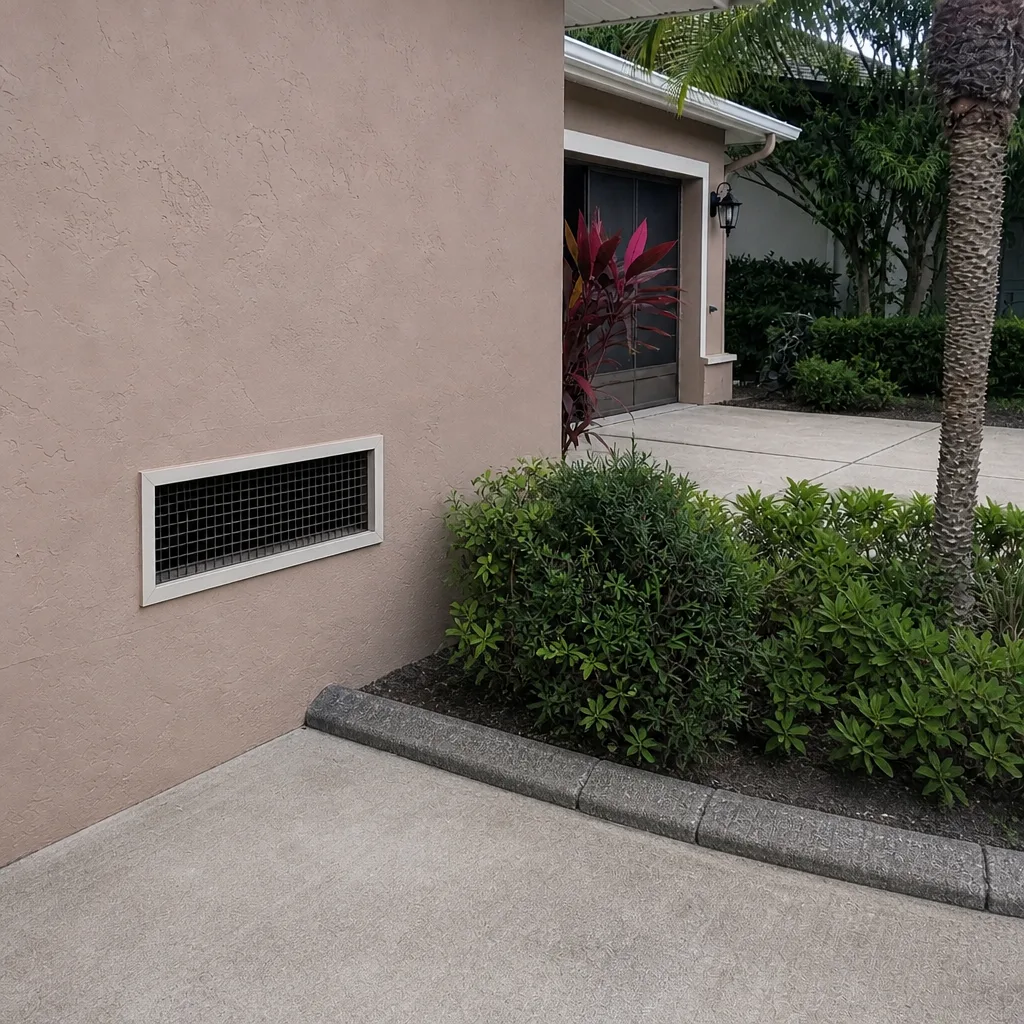 After
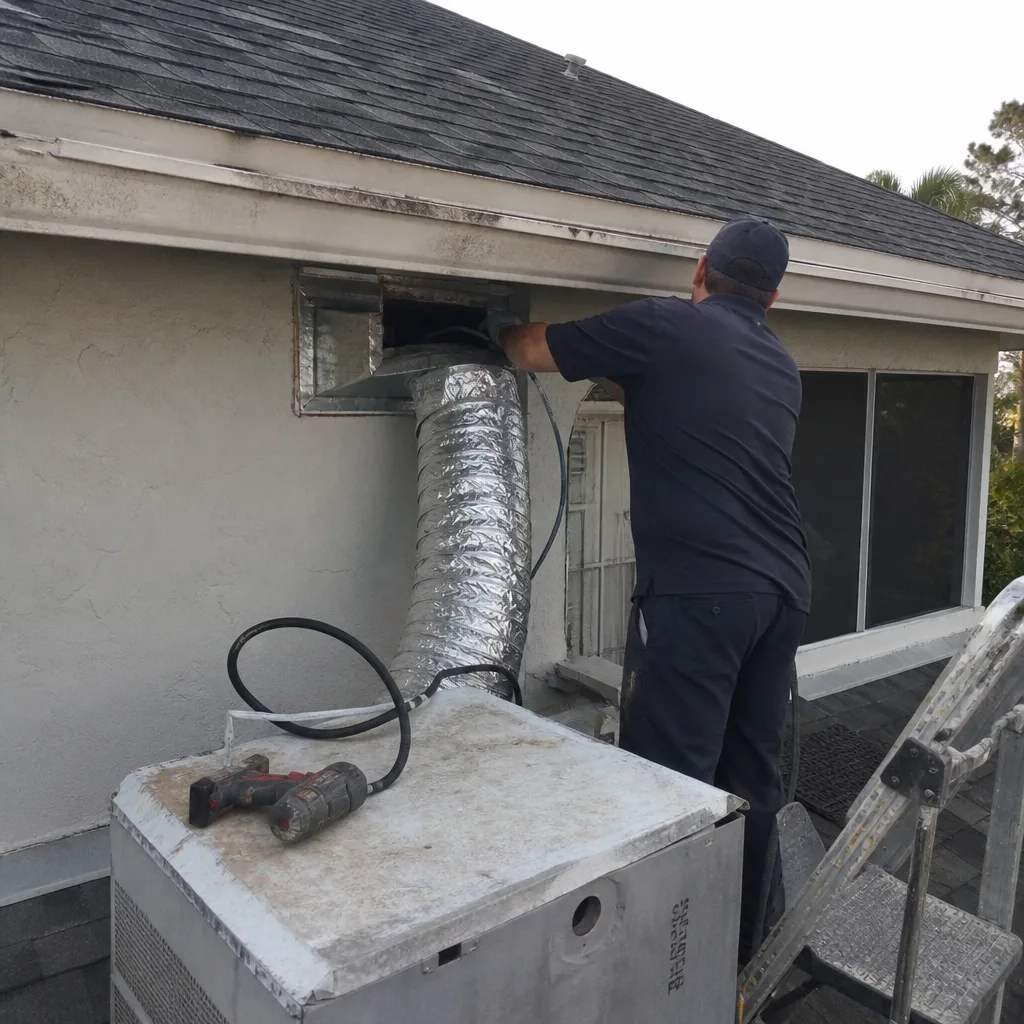 Before
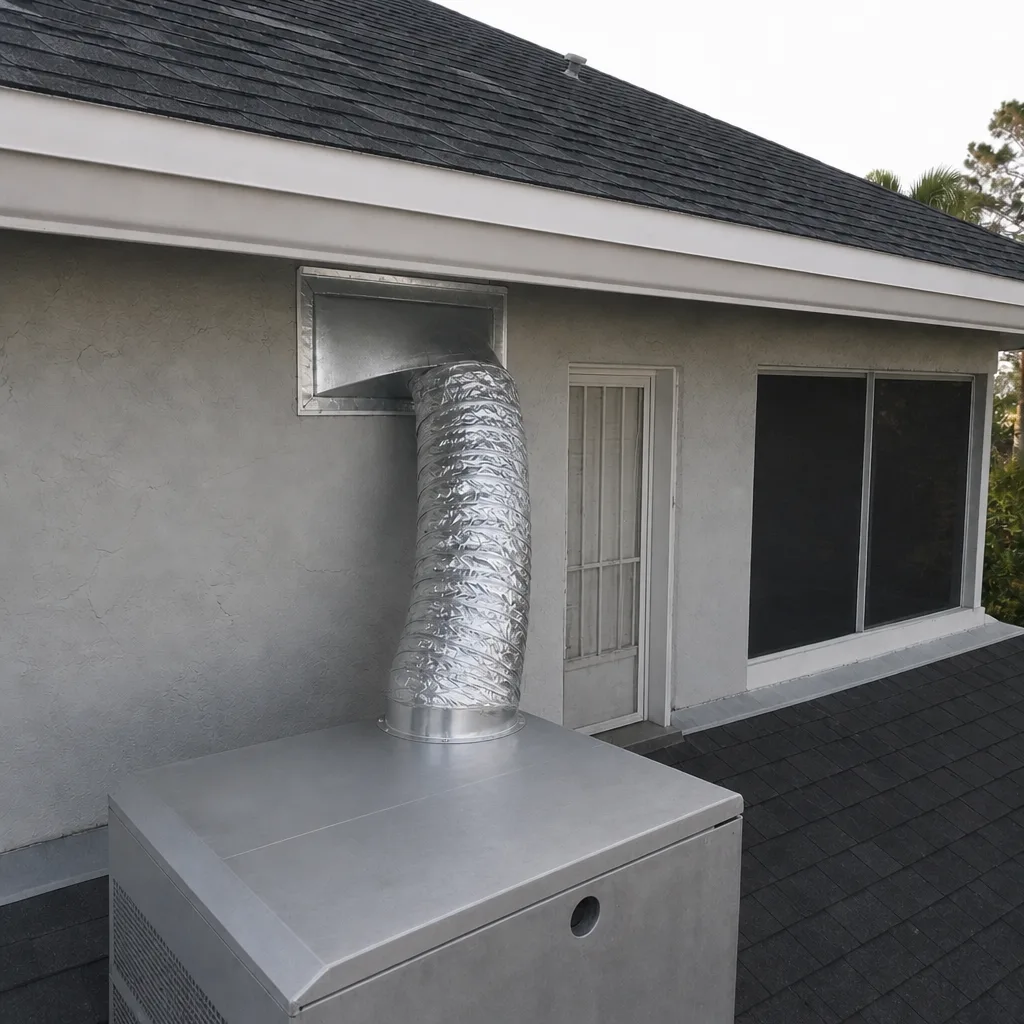 After
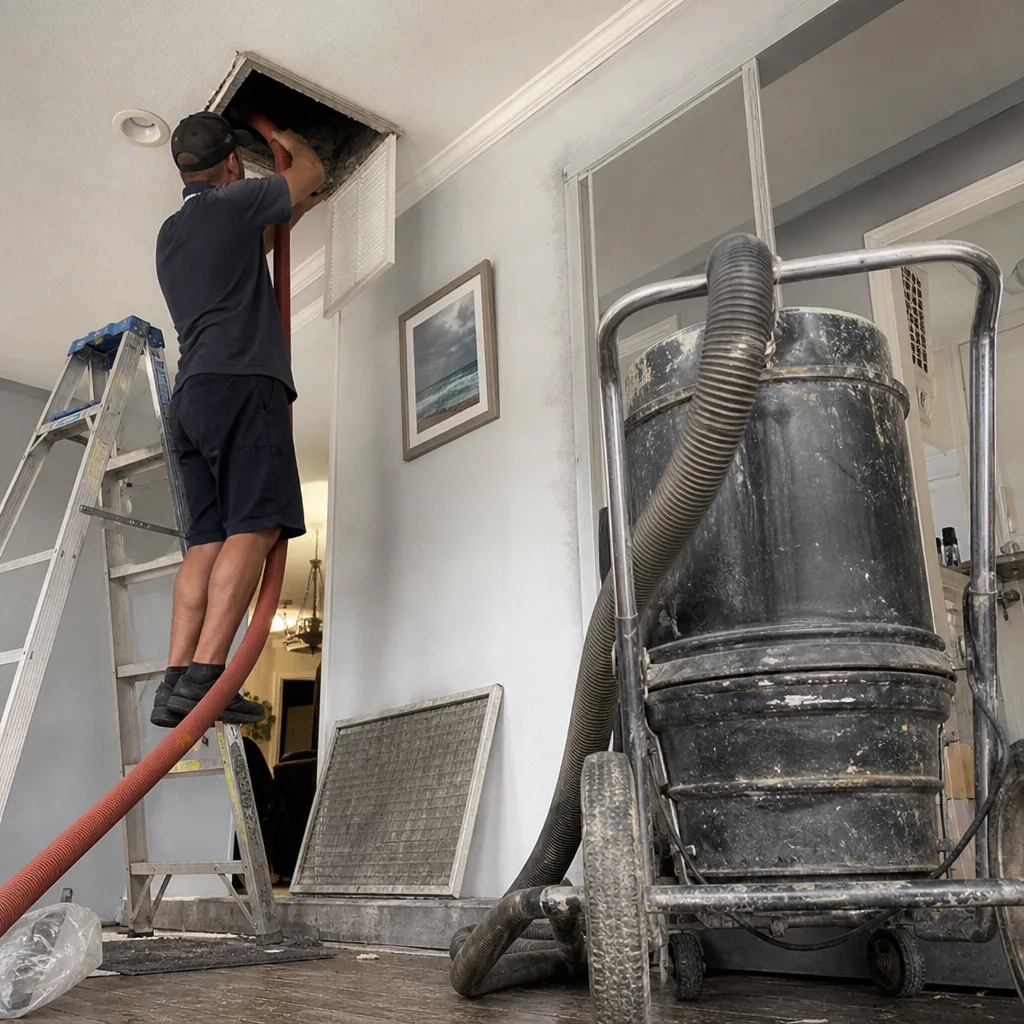 Before
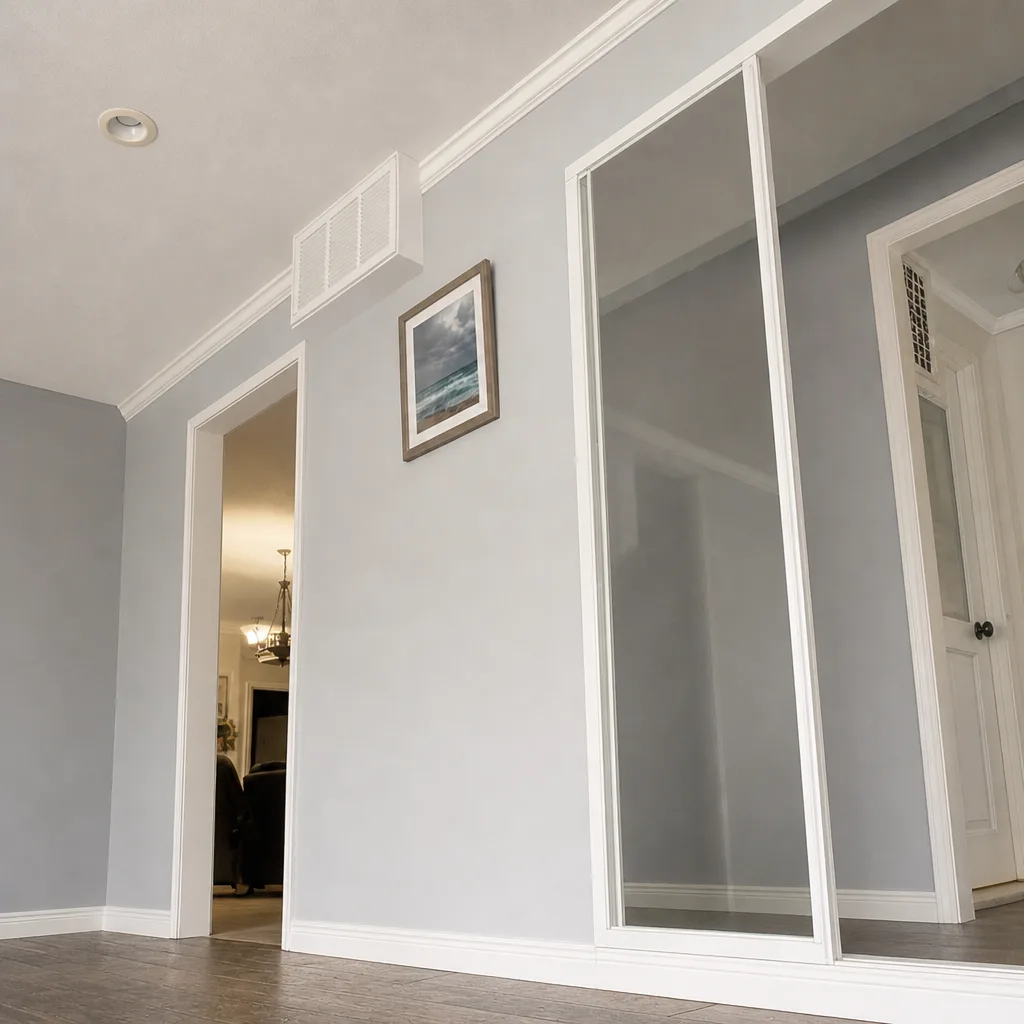 After
When to Call a Professional
Call a professional when any of the following applies: water reached the air handler or any duct run; you see insulation or debris inside a return; the system smells musty or smoky when it runs; a flex run is torn or disconnected in the attic; the home has been through a fire; or a flood event carried silt into the home. Call sooner rather than later in every one of those cases, because the contamination timeline in Clearwater’s humid climate runs in hours, not weeks. Duct Cleaning Clearwater offers free estimates in Clearwater – call (844) 238-0931. We answer 24/7. Fast dispatch from 7am to 7pm, Sunday through Friday. Our technicians have up to 13 years of experience, and we come equipped with Rotobrush and Nikro platforms and HEPA-level containment gear.
Frequently Asked Questions
Inspect within the first 24 to 48 hours after it’s safe, and clean as soon as the system is confirmed dry. In Clearwater’s humidity, moisture in duct liner can support growth within days, so the earlier you address it the better. Call (844) 238-0931 for an exact quote – estimates are free.
Don’t until the air handler, plenum, and attic runs have been checked. Duct liner and flex duct hold moisture out of sight, and running the system distributes what’s inside. A short professional inspection settles the question.
It depends on system size, access, and whether repair is needed, which is why we price per system rather than per vent. You get one flat price agreed before work starts, with before-and-after photos of your own ducts. Call (844) 238-0931 for an exact quote – estimates are free.
Because they’re often a per-vent teaser that turns into a larger invoice once the technician is on site. Honest whole-system pricing accounts for the equipment and time real cleaning takes. If a quote looks too good, ask what’s included and whether containment equipment is used.
Ask for before-and-after photos of your own ducts, not stock images. We provide them as standard, because the proof should be your system, not a brochure.
No – cleaning removes debris and residue from the duct system, but it isn’t mold remediation or structural restoration. If contamination extends beyond the ducts, that work belongs with a licensed restoration contractor, and we’ll tell you when that’s the case.
After any contamination event, immediately. Otherwise it depends on the home – pets, allergies, older duct systems, and past water events all shorten the interval. A visual check at your return grille tells you a lot. Call (844) 238-0931 for an exact quote – estimates are free.
The Bottom Line
Emergency duct response in Clearwater comes down to timing and sequence. Leave the system off until the ducts are verified dry and intact. Inspect the air handler, the attic runs, and the returns before assuming nothing’s wrong. Understand that a flood event can push cleaning into remediation, and that fire calls for residue removal before anyone moves back in. Document everything with photos and a written scope before authorizing work. Cleaning and repair together, with HEPA-level capture and professional equipment, are what stop the contamination clock. Keep the plan in mind before storm season, not after.
Written by the team at Duct Cleaning Clearwater.