
Last updated November 16, 2026
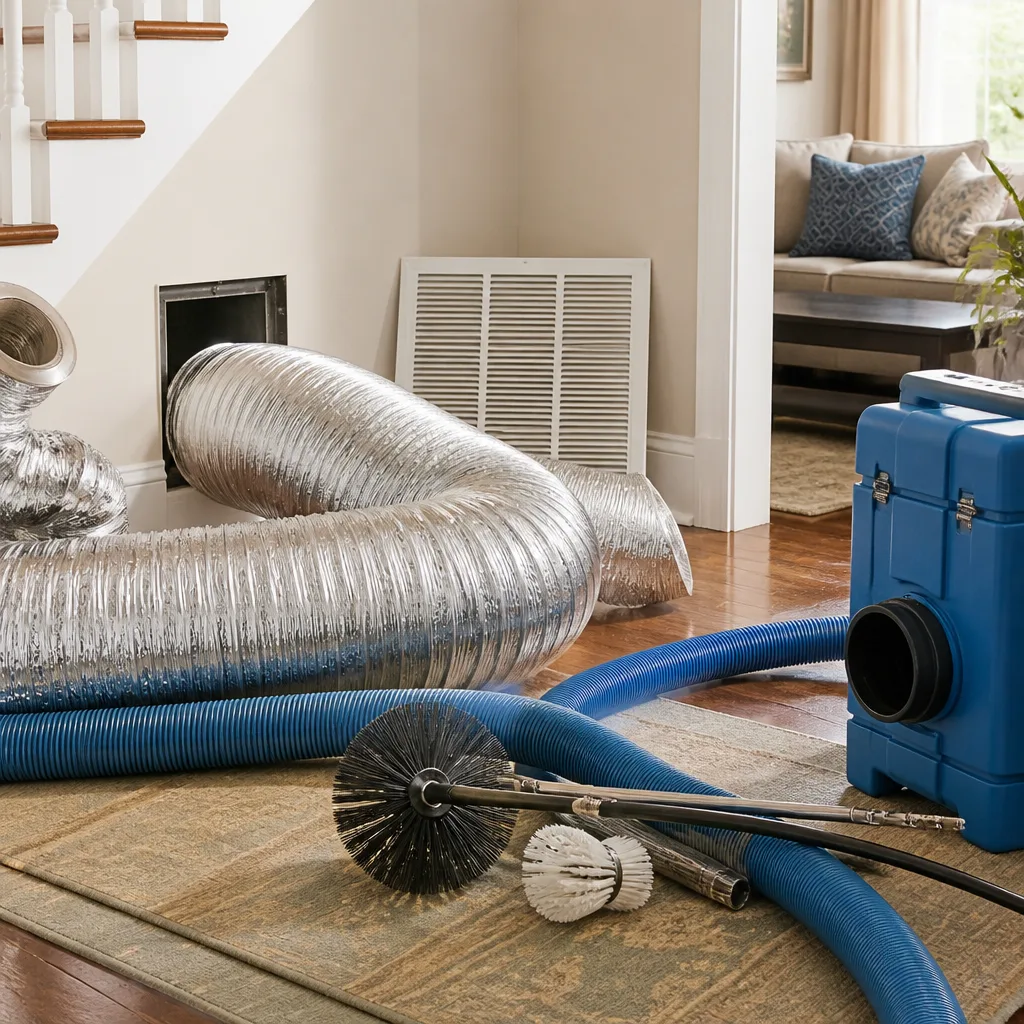 Whole-home duct cleaning
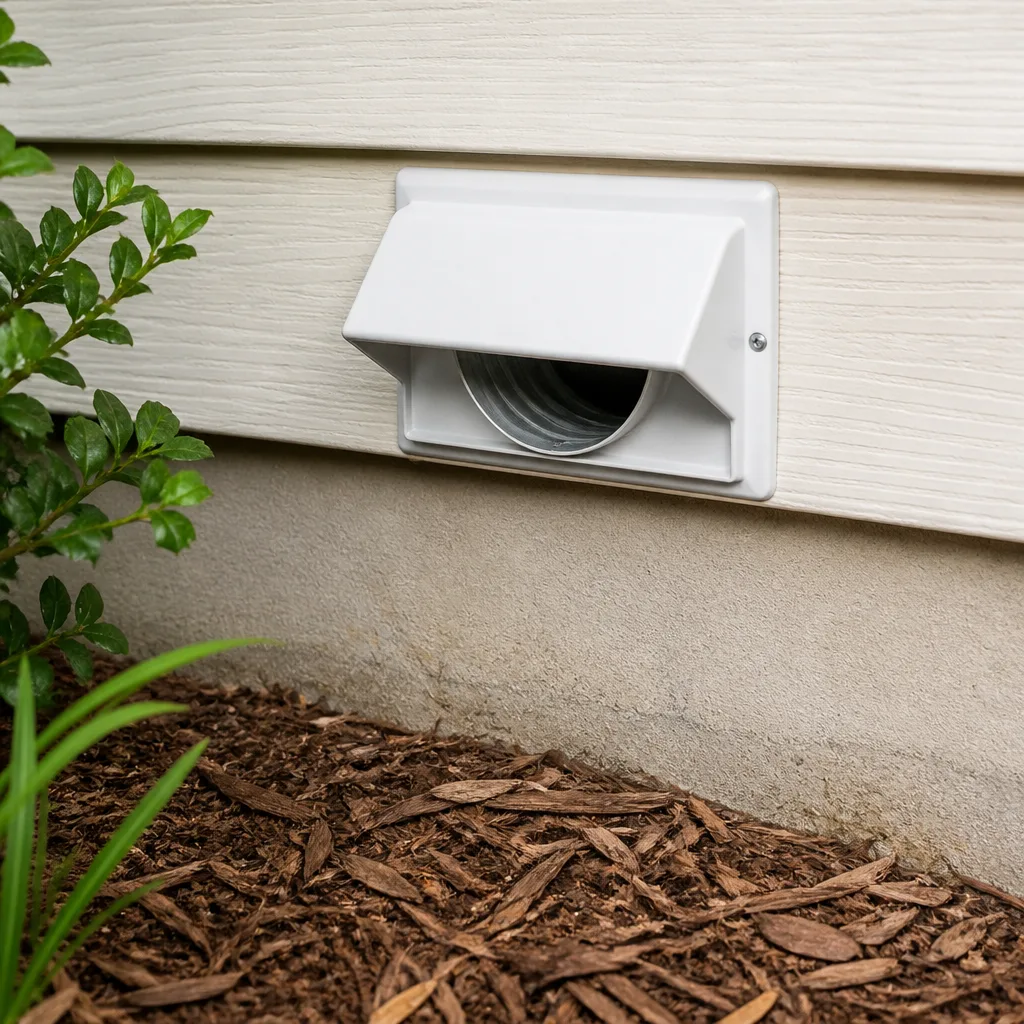 Dryer vent cleaning
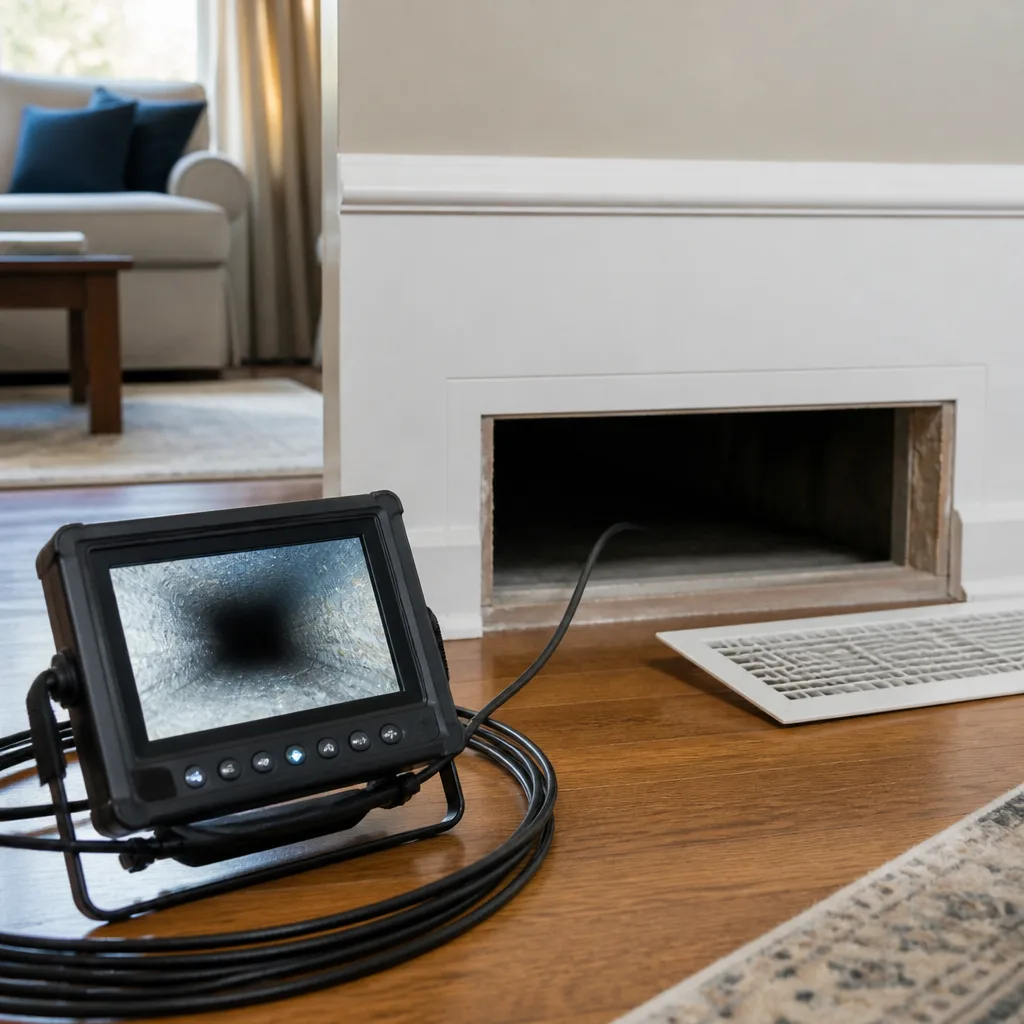 Camera inspection
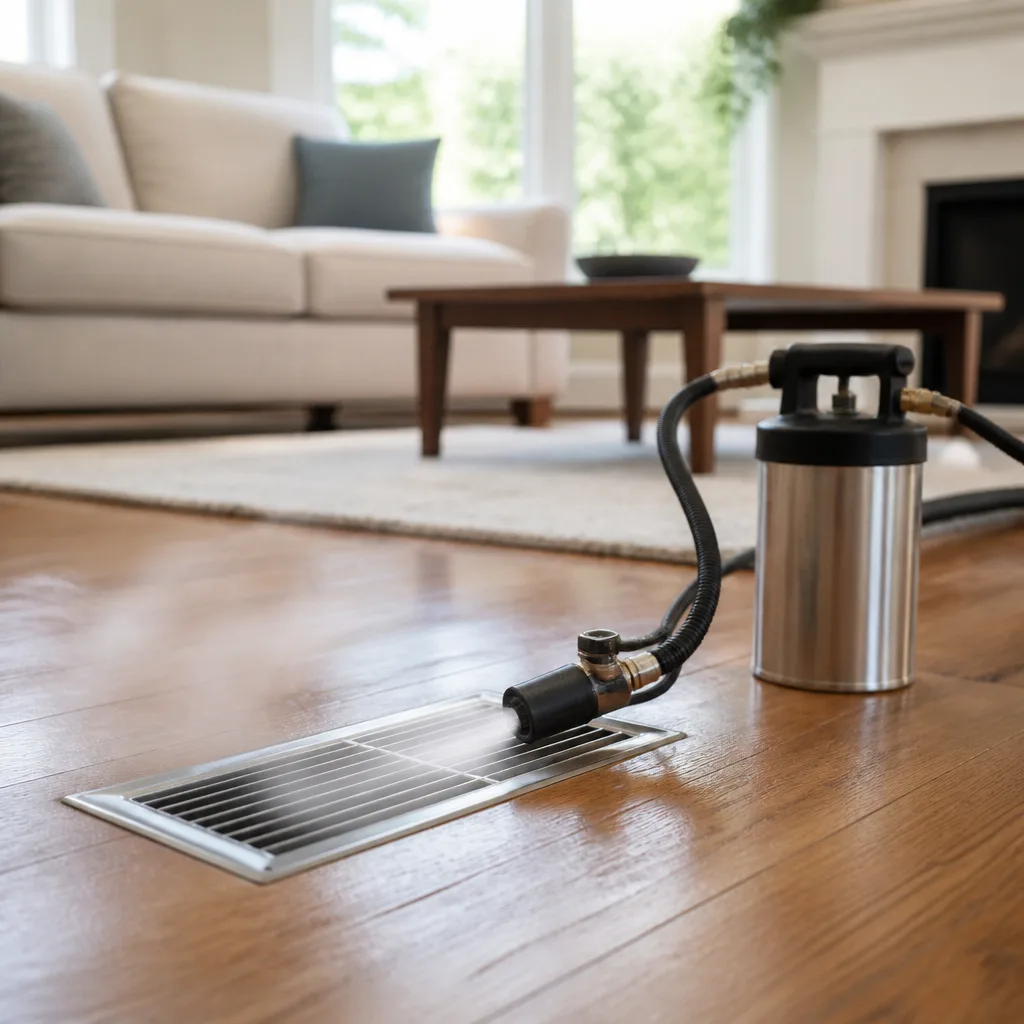 Sanitizing & deodorizing
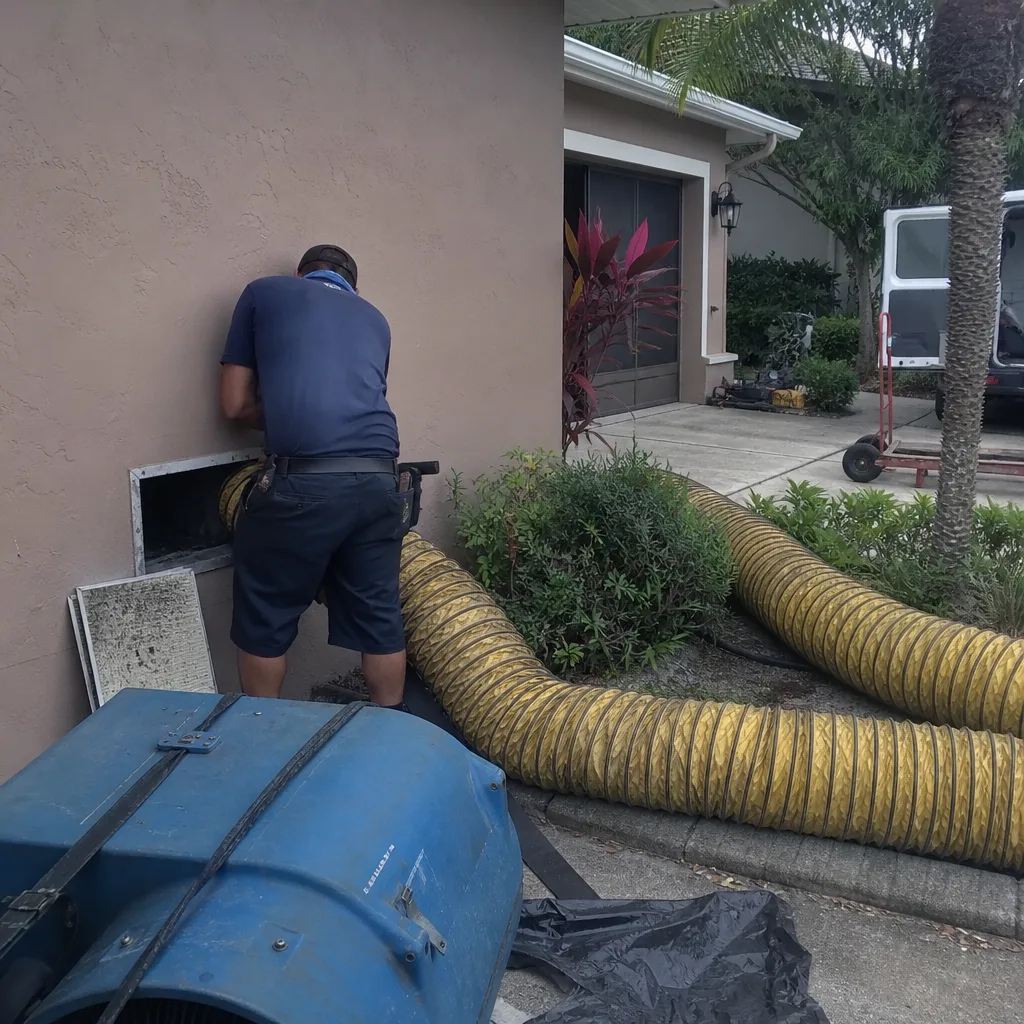
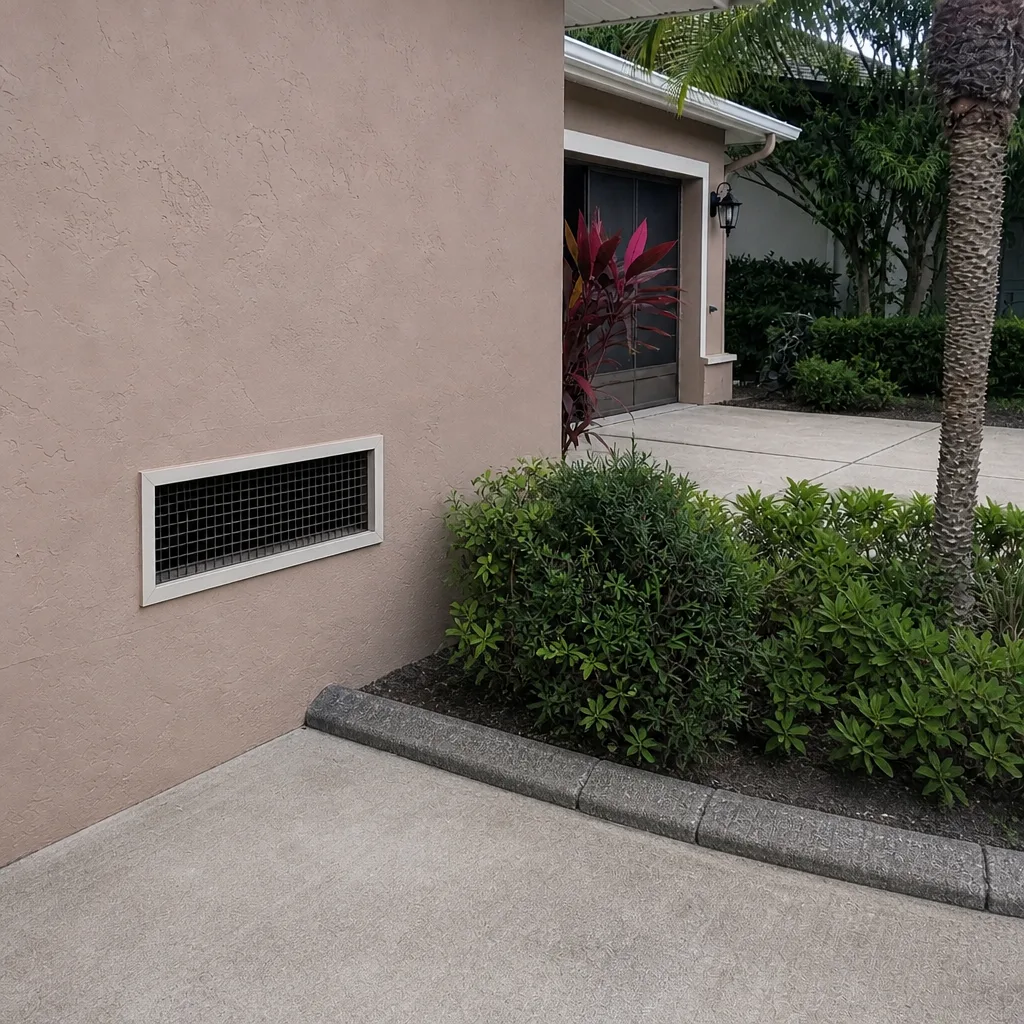
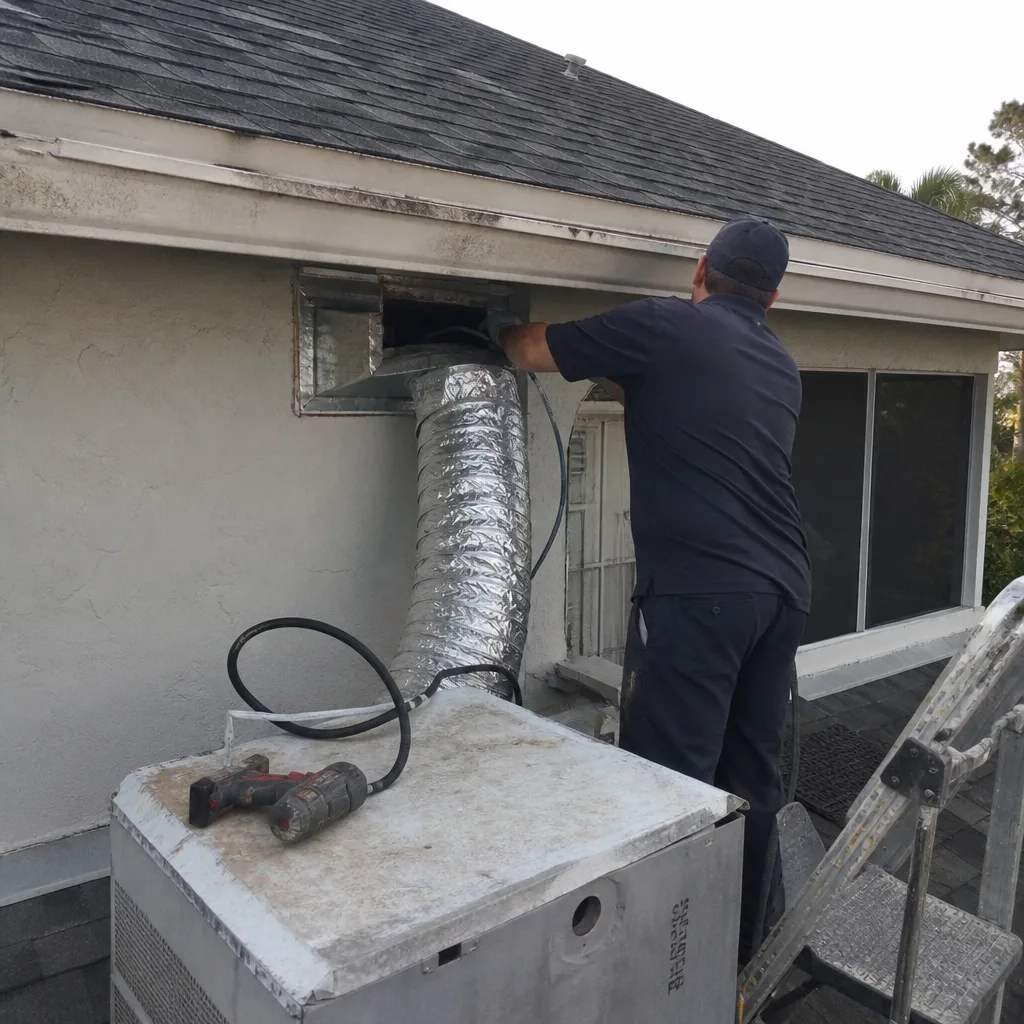
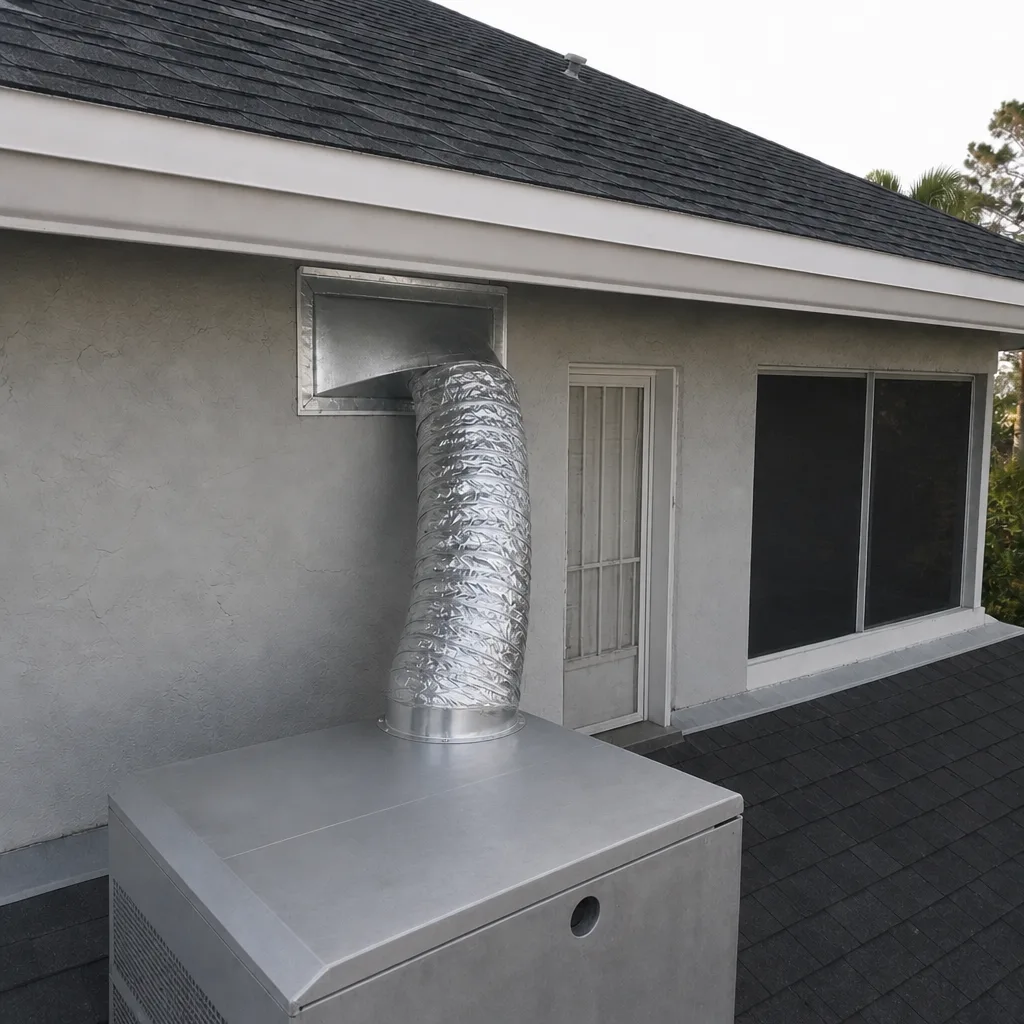
Whole-system duct and dryer vent check with before-and-after photos - you see exactly what came out of your vents
That "$99 whole-house special" is a bait ad - the real number appears once they are in your hallway, or the "clean" is a shop-vac at the register. We photograph the inside of your ducts before and after instead.
Air Duct Cleaning Warning Signs: A Clearwater Homeowner’s Reference Guide
Visible dust puffing from a supply register is on nearly every warning sign list, and it deserves to be. But in our experience it’s a late indicator. By the time dust is blowing into the room, the system has been moving and depositing debris for months, and the conditions that caused it have had plenty of time to settle into the duct liner. The earlier signals in a Clearwater home are quieter: a smell on the first cooling cycle after the house has been closed up, one bedroom that never quite catches up, a stain near the air handler. This guide walks through the warning signs that matter most in Clearwater’s climate and housing stock, explains the mechanism behind each one so you know what you’re actually looking at, and shows you what to check before you call anyone.
Quick Answer
The most reliable air duct cleaning warning signs in Clearwater are a musty odor on the first AC startup after a shutdown period, uneven cooling between rooms that you can confirm with a simple register airflow test, visible staining or standing water at the drain pan, and dust that has worked past the register grille into the duct liner rather than sitting on the surface. Visible dust at registers is a real sign, but it usually appears after the earlier indicators have already been missed for a season or more. When two or more of these appear together, it’s worth having the system inspected and evaluated.
Styles & brands we work with
- Whole-home duct cleaning
- Dryer vent cleaning
- Camera inspection
- Sanitizing & deodorizing
Table of Contents
- The Musty Odor on First AC Startup
- Uneven Cooling Room to Room
- Drain Pan Staining and Overflow
- Surface Dust vs. Contamination in the Liner
- The Post-Renovation Warning Window
- How to Run a Register Airflow Comparison
- Why Humidity Changes the Timeline
- When Cleaning Is Enough and When You Need a Repair
The Musty Odor on First AC Startup
A musty smell that greets you when the air handler kicks on after the system has been off for a stretch is one of the clearest duct warning signs in Clearwater, and it’s worth taking seriously. The mechanism is straightforward. During any shutdown period, whether that’s a vacation, a stretch of mild weather when the AC sits idle, or a seasonal change, the interior surfaces of the air handler and the ductwork behind it sit without airflow. In a humid climate, that’s exactly the condition mold and mildew need: moisture, organic dust, and still air. When the system starts again, the blower pushes that first pocket of air, and the smell, straight into the living space.
Here’s where a Clearwater home differs from one in a drier part of the country. A musty startup odor in an arid climate is often just stale air and clears within a minute or two with no lasting issue. Here, the moisture load is high enough that the odor can be the first sign of biological growth on the interior surfaces of the system. It’s not proof of a problem, but it’s a signal worth investigating rather than airing out and forgetting.
What to watch for:
- The smell returns every time the system restarts, not just after a long absence.
- It’s strongest in rooms closest to the air handler.
- It lingers longer than a minute or two after the blower comes on.
- It’s accompanied by any visible moisture or staining near the unit.
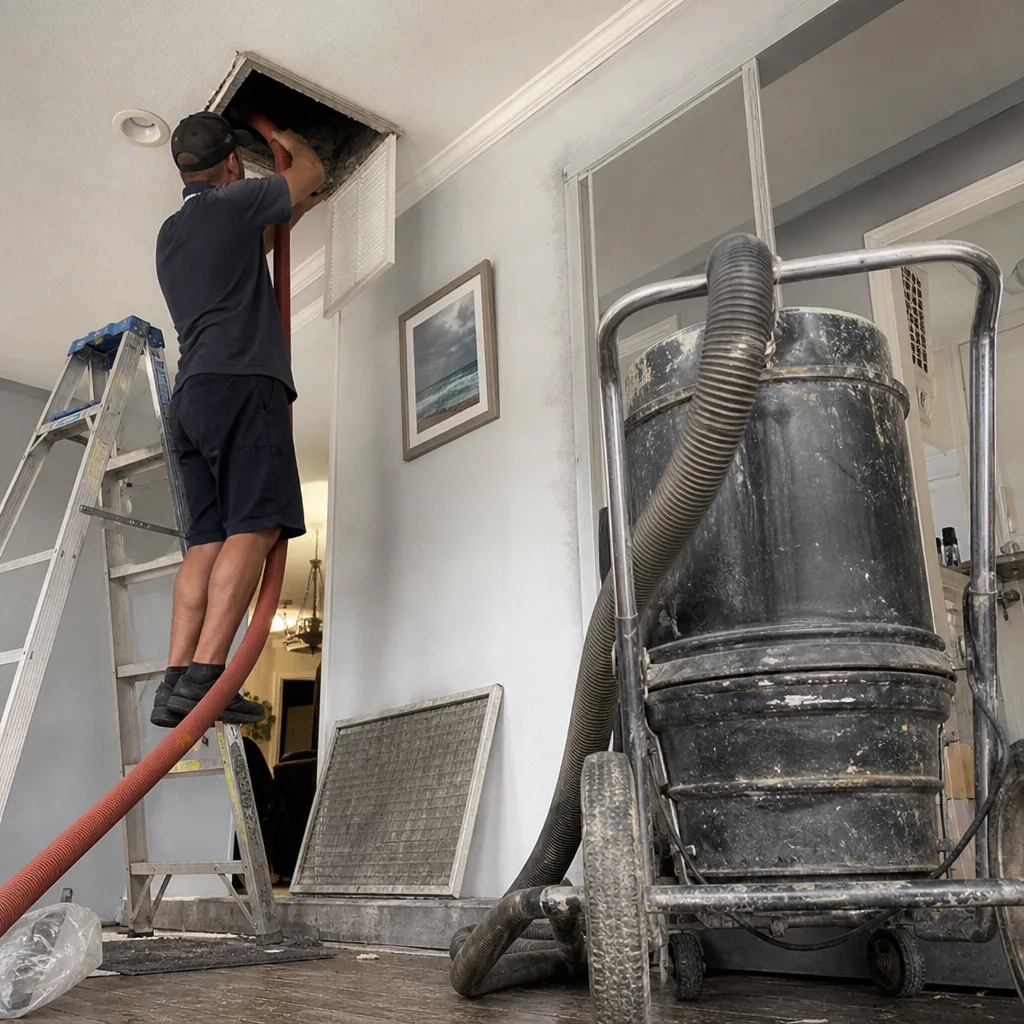
Persistent startup odor is one of the reasons we treat a full system evaluation as the starting point rather than a spot clean. Professional-grade equipment like the Rotobrush and Nikro platforms agitates debris loose from the duct walls and captures it under HEPA-level vacuum, which is a different process from what a consumer-grade blower can do. If the odor is coming from growth on interior surfaces, surface cleaning alone won’t resolve it, so it’s worth having the system looked at properly.
Uneven Cooling Room to Room
If one room in your Clearwater home never quite reaches the temperature the rest of the house does, the cause is often a duct restriction rather than an undersized AC. A crushed flex duct in the attic, a disconnected run, a collapsed liner, or a buildup of debris can all choke airflow to a specific room. The thermostat reads the return-air temperature near the unit, not the temperature in the struggling bedroom, so the system runs longer and the room stays warm. Homeowners often replace the AC or add a window unit before realizing the problem is in the ductwork.
Before you assume the worst, run the register airflow comparison in the next section. It’s a simple test you can do yourself with no tools, and it will tell you whether the problem is airflow distribution or something else entirely. A room that feels noticeably weaker at the register than the others is a strong indicator of a restriction in that run.
Common causes of a single-room restriction:
- A flex duct run that’s been crushed or kinked during attic work.
- A run that’s come loose from its boot at the wall or ceiling.
- Buildup of dust and debris in a low-velocity run.
- A damper that’s been closed and forgotten.
- Insulation from the attic that’s fallen into an open duct end.
Uneven cooling that shows up suddenly, rather than gradually, usually points to a physical change in the ductwork, which is a repair issue rather than a cleaning issue. We handle air duct repair alongside cleaning precisely because a restriction found during a job can be corrected in the same visit instead of requiring a second contractor.
Drain Pan Staining and Overflow
The drain pan under your air handler is an upstream indicator that most homeowners never look at. It sits below the evaporator coil and collects the condensate that the coil produces as it dehumidifies. In a Clearwater summer, that coil can produce a steady stream of water, and any problem with drainage shows up here first. Staining, standing water, or a rust line on the pan tells you the humidity conditions inside the air handler have been elevated, which is the same environment that feeds growth on the coil and the duct surfaces downstream.
A drain pan that’s overflowing or holding water is a problem in its own right, and it’s worth addressing promptly. But it’s also a signal about the rest of the system. When the pan has been wet and slow to drain, the air handler cabinet and the first stretch of supply duct have been sitting in high humidity. That’s where the musty odor in the previous section usually originates.
What to check at the air handler:
- Look for a water line or rust ring on the pan surface.
- Check whether the drain line is clear or has visible debris.
- Note any staining on the cabinet or the insulation around it.
- Look for standing water after the system has been running for a while.
If you find staining or standing water, it’s time for a professional evaluation rather than a cleaning alone. A cleaning without addressing the moisture source just resets the clock. The point is to find out why the pan is wet and deal with that, then clean the system once the moisture is under control.
Surface Dust vs. Contamination in the Liner
Not all dust at a register is the same, and knowing the difference tells you whether you’re looking at a simple cleaning job or a deeper problem. Surface dust sits on the register grille and wipes off easily. It’s normal, and it doesn’t by itself mean the ducts need cleaning. Contamination that has entered the duct liner or the insulation facing is a different matter. It’s built into the fibrous surface of the duct material, it doesn’t wipe clean, and it means the system has been depositing debris for a long enough time that the material itself is saturated.
The distinction matters because the two require different interventions. Surface dust is a wipe-down. Contamination in the liner requires mechanical agitation to break it loose from the fibrous surface, followed by HEPA-level capture to keep it from becoming airborne in the house. That’s where equipment matters. The Rotobrush and Nikro platforms are the same mechanical agitation and HEPA-vacuum systems used by remediation crews, and the Abatement Technologies equipment we carry adds negative-air and containment capability for capturing particulate during the work. A consumer-grade shop vac and a blower won’t move debris that’s bonded into liner material.
How to tell them apart:
- Wipe the grille with a white cloth. If the dust comes off cleanly, it’s surface level.
- Shine a light past the grille into the duct. Visible debris built up on the duct walls is a deeper sign.
- Look for dark staining on the flexible duct material itself, not just at the opening.
- Check whether dust reappears at the same registers within days of wiping.
Dust that comes back quickly to the same register after wiping is a strong sign the source is upstream in the duct, not the grille. That’s the point where a professional assessment is worth the call.
The Post-Renovation Warning Window
Any remodeling project that generated drywall dust, insulation debris, or required duct penetration opens a specific window of risk for your ductwork. Drywall dust is fine enough to travel through the return system and settle deep inside the duct runs. Insulation debris from attic work or wall openings can fall directly into duct ends. And any time a duct is cut, capped, or rerouted for a project, there’s a chance a connection was left loose. The window to watch runs from the day the work starts through the first few months after it wraps up, especially the first cooling season.
The signs to monitor after a renovation:
- Visible construction dust at registers within the first few weeks after work begins.
- A sudden increase in dust settling on furniture that wasn’t there before the project.
- Uneven cooling in rooms near where the work happened.
- New gurgling, whistling, or weaker airflow from a register near a wall that was opened.
- A musty smell that appears after the project, even if it wasn’t there before.
If your project involved drywall cutting or attic insulation work, the risk is highest. Fine dust from cutting can settle into the return plenum and the supply runs in the same cooling season. If the project required duct penetration, it’s worth having the connections checked as part of the same visit. That’s why we offer cleaning and repair together: a post-renovation evaluation often turns up a loose boot or a kinked run along with the debris.
How to Run a Register Airflow Comparison
This is the simplest self-check a homeowner can run, and it tells you more about your duct system than most of the signs on any list. You’re comparing the airflow at each register against the others, looking for the outlier. You don’t need tools, and it takes about ten minutes.
- Set the thermostat to call for cooling and let the system run for a full cycle until it’s steady.
- Hold the back of your hand or a piece of tissue paper up to each supply register in turn.
- Note which registers push strongly, which feel weak, and which are barely moving air.
- Repeat at every register in the house, including the rooms you don’t use often.
- Compare the results. One or two noticeably weak registers point to a restriction in those specific runs.
- Check the same registers again when the system is off. Warm air drifting back out of a register while the system is off can indicate a disconnected run.
If most registers are weak, the problem is more likely upstream at the air handler or the main trunk. If only one or two are weak, the restriction is usually in that specific run. Either way, the test gives you something concrete to describe when you call, and it points a technician straight to the runs that need attention.
A word of caution: don’t remove register grilles or reach into ductwork to investigate further. Duct interiors can contain sharp metal edges, exposed fasteners, and on the return side, wiring for the air handler. Leave the interior inspection to a trained professional.
Why Humidity Changes the Timeline
Clearwater’s humidity is the single biggest factor that changes how fast duct problems develop here compared to drier markets. In a low-humidity climate, a duct system can accumulate dust for years before anyone notices anything. Here, the moisture load accelerates the process. Dust that settles on the interior surfaces of an air handler or a duct run provides a food source for mold and mildew, and the humidity in the air provides the moisture. The two together mean that the same level of dust that would sit harmlessly in a dry climate can become a growth medium here within a single cooling season.
This is why a musty smell in Clearwater is worth acting on faster than the equivalent smell might be in a drier part of the country. It’s also why the drain pan matters so much. A pan that’s been wet and slow to drain keeps the surrounding air handler and duct surfaces in an elevated humidity condition, which is the worst possible state for the system during the cooling season when the AC is running constantly.
What this means for timing:
- An odor that appears once after a long absence is worth monitoring.
- An odor that returns on every restart is worth evaluating.
- A drain pan issue combined with an odor is worth evaluating promptly.
- Post-renovation dust plus high humidity is a combination that can turn into a musty smell within a single season.
The practical takeaway is that the warning signs move faster in Clearwater than they do in many other places. What might be a “watch it for another year” situation elsewhere is often a “have it looked at this season” situation here.
When Cleaning Is Enough and When You Need a Repair
Some warning signs point to a cleaning job, and some point to a repair. Knowing which you’re looking at saves time and avoids paying for the wrong service. Cleaning addresses accumulated debris, dust bonded into the liner, and the biological growth that feeds on it when moisture is present. Repair addresses physical damage: crushed or disconnected runs, loose boots, torn flex duct, and restrictions that are structural rather than debris-related.
Signs that point to cleaning:
- Dust that returns quickly to the same registers after wiping.
- A musty odor on startup that clears but returns.
- Visible debris built up on duct walls past the grille.
- Post-renovation dust that has settled into the system.
Signs that point to repair:
- A single room that’s noticeably colder or warmer than the rest, with a weak register.
- Warm air drifting out of a register when the system is off.
- Whistling or gurgling sounds at a register.
- A recently renovated area where a duct may have been disconnected or crushed.
In practice, the two often come together. A post-renovation evaluation might find debris in the runs and a boot that came loose during the work. Honeywell and Aprilaire filtration components are often part of the same picture, and because we service both, a filtration issue that’s contributing to the dust load can be addressed in the same visit. That’s why we offer the three services together rather than treating duct cleaning as a standalone job.
Common Mistakes to Avoid
- Waiting for visible dust before acting. Dust at the register is a late indicator. By the time it’s visible, the system has been depositing debris for months. In Clearwater’s humidity, that’s enough time for a musty odor to develop and for growth to establish on interior surfaces.
- Treating a startup odor as normal. A stale smell that clears in a few minutes after a long absence is one thing. A musty smell that returns on every restart is a sign of moisture and growth inside the system, and it’s worth evaluating rather than airing out.
- Replacing the AC for uneven cooling. A single warm room is often a duct restriction, not an undersized unit. Run the register airflow comparison before you spend money on equipment that won’t fix a crushed or disconnected run.
- Ignoring the drain pan. A stained or wet pan is an upstream indicator of humidity conditions in the air handler. Cleaning the ducts without addressing the moisture source just resets the clock.
- Skipping the post-renovation check. Drywall dust and insulation debris from a project can settle into the system within the first cooling season. A cleaning and a connection check after a project that generated dust is far cheaper than dealing with the consequences later.
- Hiring a shop-vac-and-blower outfit. Consumer-grade equipment can’t move debris bonded into duct liner, and a blower without HEPA-level capture just redistributes it through the house. Ask what equipment is actually being used before you book.
- Booking a cleaning when you need a repair. If the symptom is a weak register or a disconnected run, a cleaning won’t fix it. Look for a company that offers both so the evaluation covers both possibilities.
See the difference
 Before
 After
 Before
 After
 Before
 After
When to Call a Professional
Call a professional when you see a musty odor that returns on every AC startup, when one room is significantly warmer than the rest and the register test confirms weak airflow, when the drain pan shows staining or standing water, when visible contamination has entered the duct liner past the grille, or when a renovation that generated drywall or insulation dust has recently finished. If two or more of these appear together, it’s worth a full evaluation rather than a spot clean. Duct Cleaning Clearwater offers free estimates in Clearwater, and we handle cleaning, repair, and dryer vent service as a three-service scope so the entire ventilation system gets looked at in one visit. Call (844) 238-0931. We answer 24/7. Fast dispatch from 7am to 7pm, Sunday through Friday. Our technicians have up to 13 years of experience, and we’ll walk you through what we find before any work starts.
Frequently Asked Questions
Air duct cleaning in Clearwater is priced per job by a written estimate based on the size of the system, the number of runs, and whether repair work is needed alongside cleaning. We give one flat price per system agreed before work starts, so there’s no per-vent pricing and no surprise add-ons once a technician is on site. Call (844) 238-0931 for a free estimate, and we’ll put the exact figure in writing before anything begins.
Not always, but it’s a sign worth investigating. A smell that appears once after a long absence and clears quickly is often just stale air. A musty smell that returns on every restart, especially one that lingers, points to moisture and growth inside the air handler or duct surfaces. In Clearwater’s humidity, that’s a condition that develops faster than in drier climates, so it’s worth having evaluated rather than ignored.
There’s no single schedule that fits every home. It depends on whether you have pets, allergy sufferers in the household, older duct systems, recent renovations, or a history of moisture issues at the air handler. In Clearwater, the humidity tends to shorten the interval compared to drier markets. A useful rule of thumb: if any of the signs in this guide are present, it’s time for an evaluation regardless of when the system was last cleaned.
Cheap quotes usually reflect cheaper equipment and less time on the job. A low coupon price often turns into a much larger invoice once the technician is on site and finds the work is bigger than advertised. We avoid that by giving one flat price per system agreed before work starts, using Rotobrush and Nikro professional platforms with HEPA-level capture, and showing you before-and-after photos of your own ducts when the work is done.
Ask for before-and-after photos of your own ducts, not generic stock images. Any company doing real work can provide them, and you should be able to see the difference in your own system. At Duct Cleaning Clearwater we take photos of the work and share them with you when the job is complete, so you can see exactly what changed.
Often, yes. Because we offer air duct repair alongside cleaning, a crushed run, a loose boot, or a disconnected duct found during the evaluation can usually be corrected in the same visit rather than requiring a second appointment with a separate contractor. That’s one reason we treat cleaning and repair as a single scope. Call (844) 238-0931 to set up a free estimate.
The Bottom Line
The warning signs that matter most in Clearwater are the quiet ones: a musty odor on first AC startup, one room that never quite cools, a stained drain pan, contamination that has worked past the grille into the duct liner, and the window after a renovation. Visible dust at registers matters, but it’s a late indicator, and waiting for it means the system has been accumulating debris for months in a climate that accelerates growth. Run the register airflow test, check the drain pan, and note any startup odor. If two or more signs appear together, get an evaluation. Professional-grade equipment, a flat price agreed before work starts, and before-and-after photos of your own ducts are the things to ask for. Call (844) 238-0931 for a free estimate. We answer 24/7. Fast dispatch from 7am to 7pm, Sunday through Friday. We’re closed Saturday. For a closer look at our full range, see air duct cleaning, and for fire-safety maintenance of the vent behind your dryer, our dryer vent cleaning page covers the details. You can also read more about how we work on our Clearwater page.
Written by the team at Duct Cleaning Clearwater.