
Last updated November 16, 2026
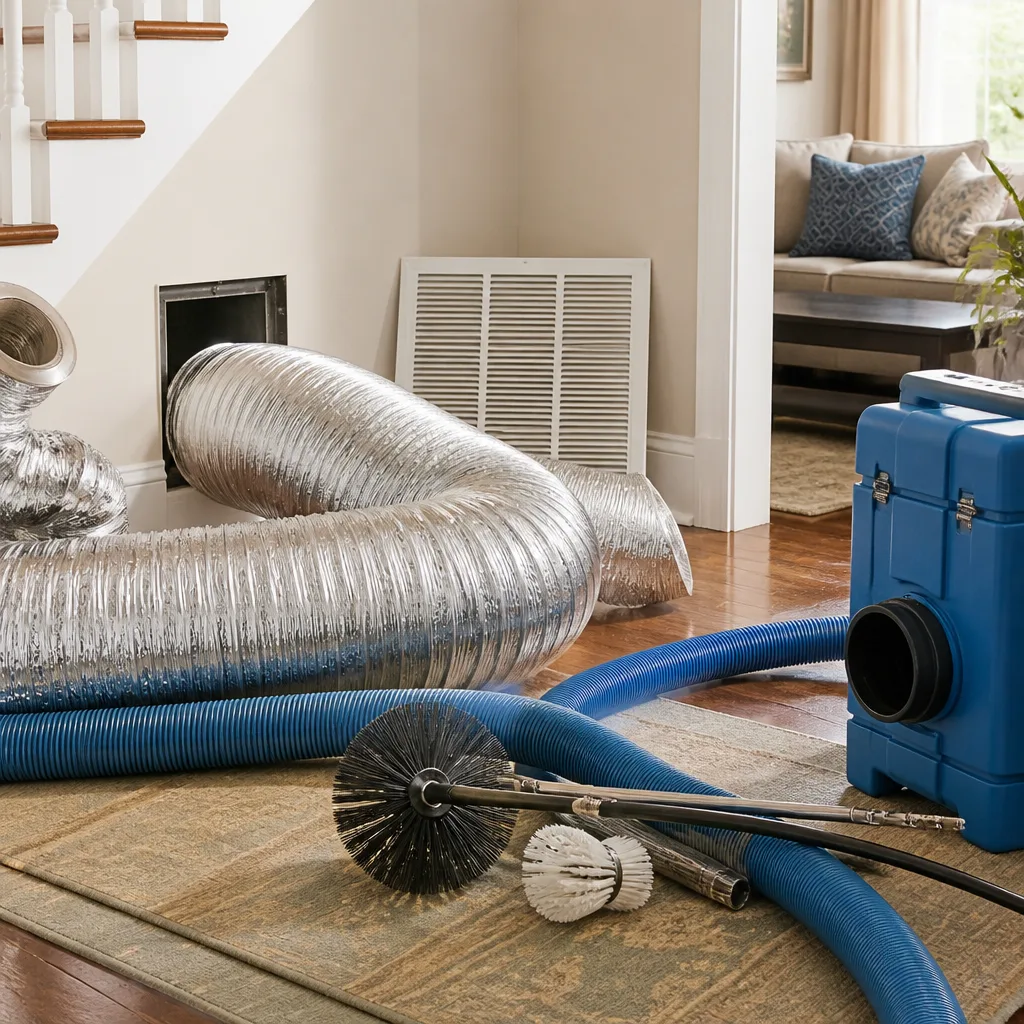 Whole-home duct cleaning
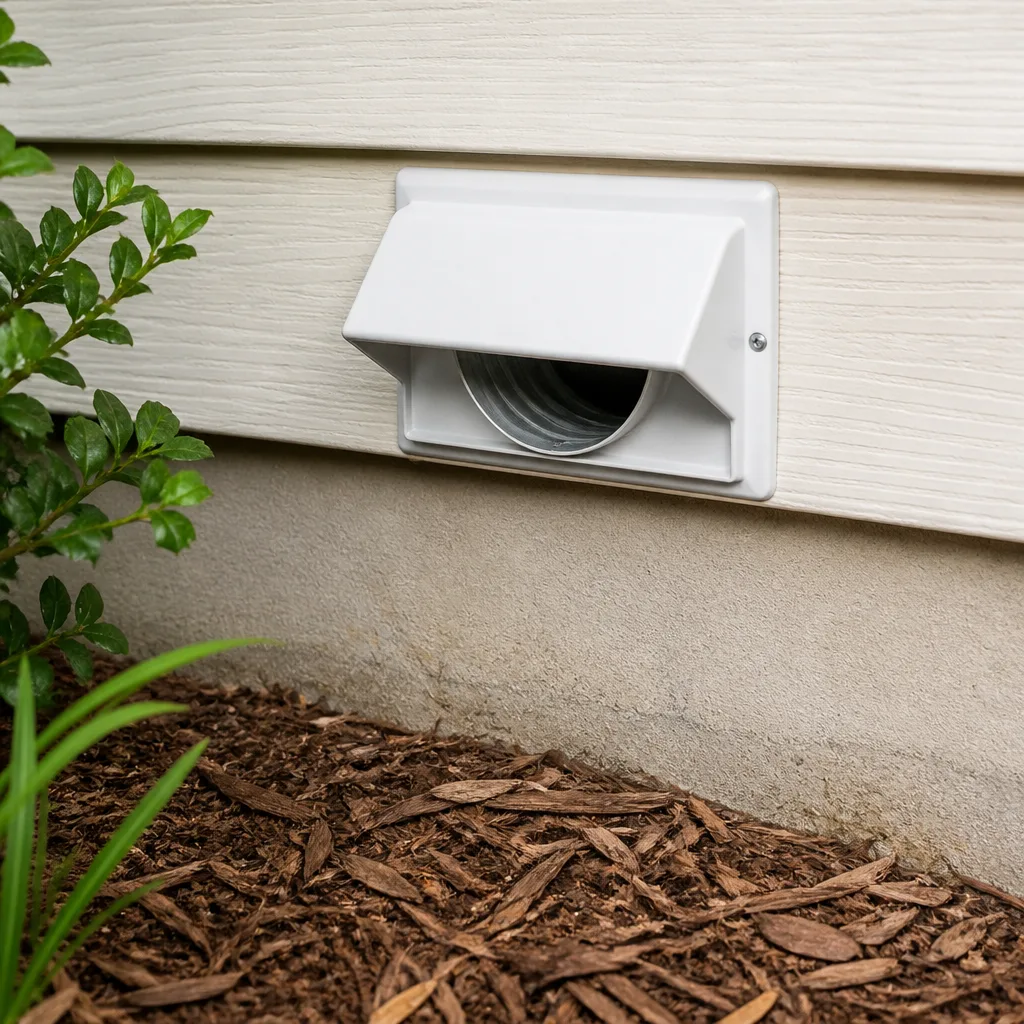 Dryer vent cleaning
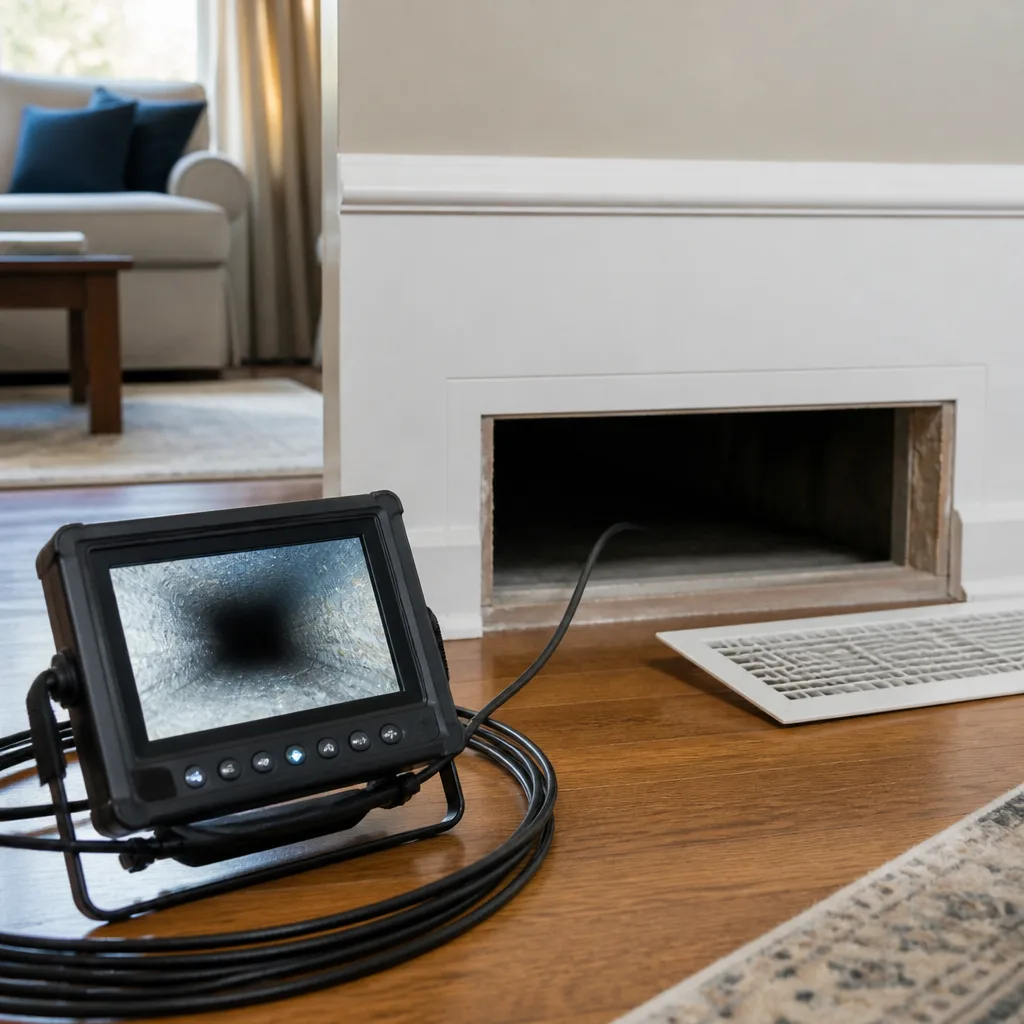 Camera inspection
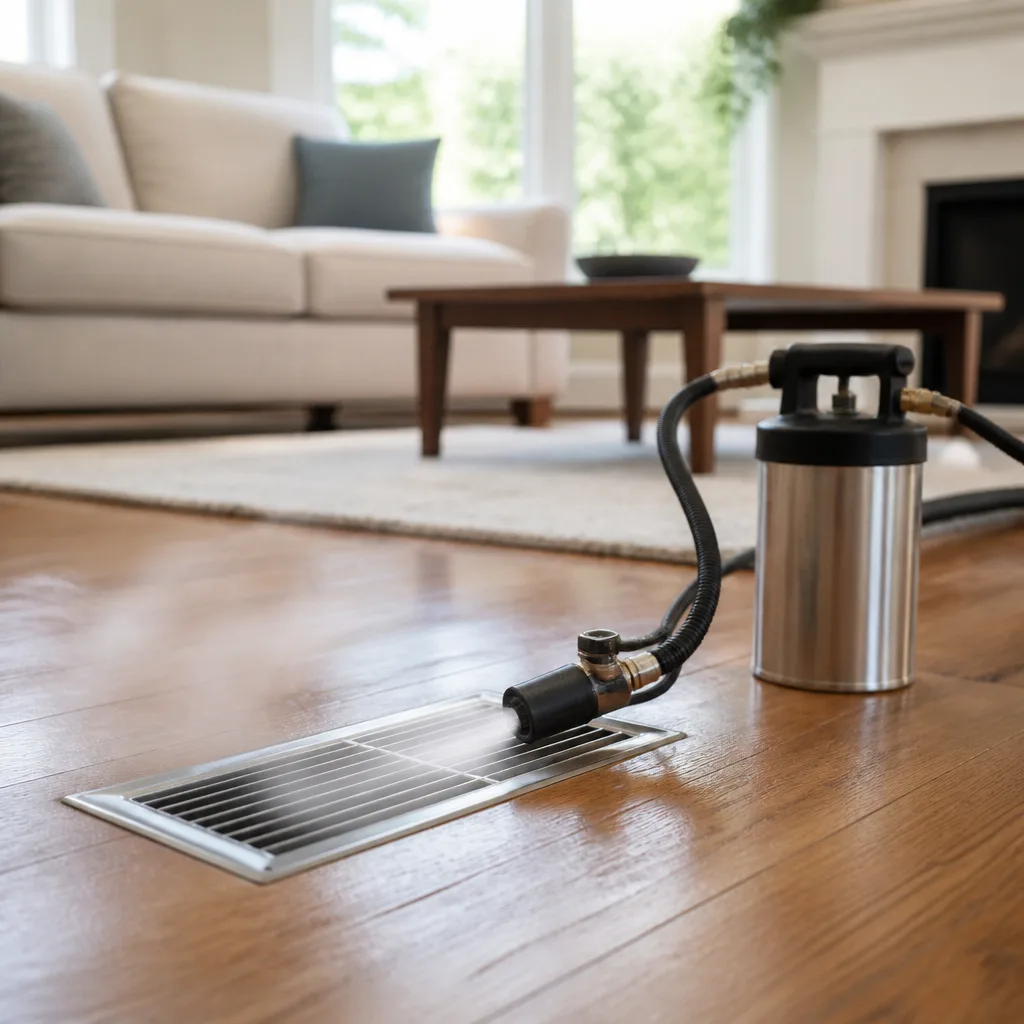 Sanitizing & deodorizing
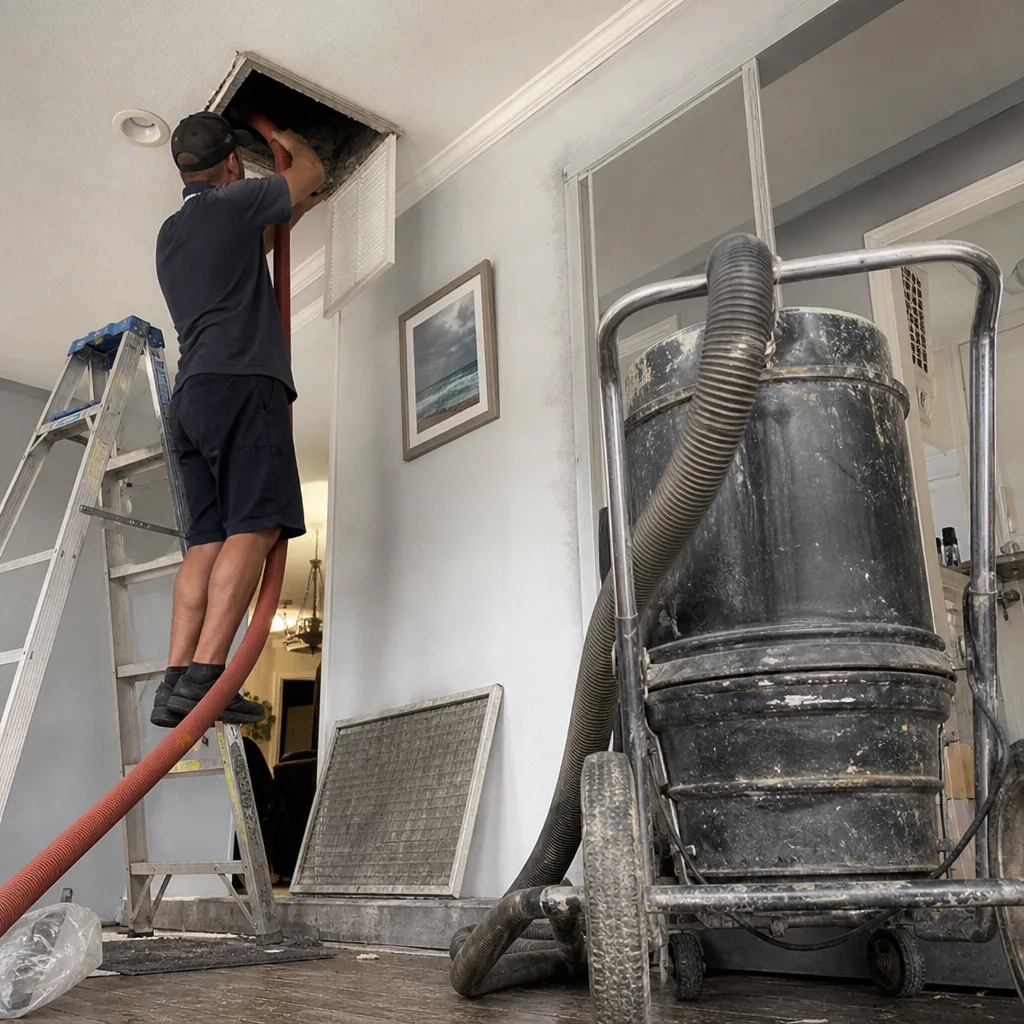
Whole-system duct and dryer vent check with before-and-after photos - you see exactly what came out of your vents
That "$99 whole-house special" is a bait ad - the real number appears once they are in your hallway, or the "clean" is a shop-vac at the register. We photograph the inside of your ducts before and after instead.
Air Duct Cleaning Troubleshooting in Clearwater: Common Problems and How to Fix Them
If your air quality feels worse after a duct cleaning, the most likely cause is that debris was dislodged into the supply registers without proper negative-pressure containment. That’s a failure mode almost nobody talks about, and it’s the reason some Clearwater homeowners end up more congested after a cleaning than before it. The dust didn’t disappear. It got redistributed into the rooms. What most people call “dirty duct problems” are usually symptoms of a specific mechanical condition: collapsed flex duct, debris packed against the blower wheel, or duct board liner coming apart at the seams. Each one needs a different fix, and none of them are solved by running a vacuum through the trunk line. This guide shows you how to read the symptom, inspect it yourself, and know what kind of correction the job actually requires.
Quick Answer
Most air duct problems in Clearwater trace back to one of four causes: debris dislodged without HEPA-level negative-pressure capture, moisture-driven microbial growth on duct board liner in the humid summer months, disconnected or collapsed flex duct in the attic runs, or a clogged blower and evaporator coil starving the system of airflow. A flashlight inspection of your supply and return registers plus a look at the air handler will usually tell you which one you’re dealing with. If you see soft, crumbling liner or heavy buildup past the register boot, the correction is professional cleaning and often duct repair, not another vacuum pass.
Styles & brands we work with
- Whole-home duct cleaning
- Dryer vent cleaning
- Camera inspection
- Sanitizing & deodorizing
Table of Contents
- The Symptom-to-Cause Matrix: What Each Problem Actually Points To
- How to Inspect Your Own Registers Before You Spend Money
- What Negative Pressure Means and Why Jobs Without It Make Things Worse
- Humidity, Duct Board Liner, and What Can Be Restored vs. Replaced
- Reduced Airflow: The Blower, the Coil, and the Duct Run
- Musty Odor That Comes Back After Cleaning
- When You Need a Scope Camera and When Surface Evidence Is Enough
- Dryer Vent Problems That Get Mistaken for Duct Issues
The Symptom-to-Cause Matrix: What Each Problem Actually Points To
Homeowners tend to lump every duct complaint into one category called “dirty ducts.” That’s the first mistake, because the three most common complaints in Clearwater homes each trace back to a different mechanical condition. Matching the symptom to the cause is what tells you whether you need a cleaning, a repair, or a filtration change.
Here’s how the symptoms break down:
- Musty or earthy odor: almost always moisture-related. On duct board, it points to microbial growth on the fibrous liner. On sheet metal, it more often points to standing moisture in a low run, a wet insulation blanket, or a condensate pan that isn’t draining.
- Visible dust settling on surfaces right after a cleaning: points to a job done without negative-pressure containment, or to leaks and gaps in the duct system pulling attic or garage air into the supply side.
- Reduced airflow at some registers but not others: points to a collapsed, kinked, or disconnected flex run, or to a damper that’s partially closed. When every register is weak, the cause is usually upstream at the blower or evaporator coil.
- Dust streaks around register grilles: points to a leak at the boot-to-drywall joint, which pulls unconditioned air in and deposits it at the edges.
- Increased allergy symptoms only in certain rooms: points to one contaminated branch line rather than the whole system. Cleaning the entire trunk when one run is the problem wastes money.
That last item matters more than it sounds. In Clearwater, where the cooling season runs long and the attic stays hot and humid, one poorly sealed branch line running through an unconditioned space can sweat and grow contamination while the rest of the system stays reasonably clean. Diagnosing by room narrows the job.
How to Inspect Your Own Registers Before You Spend Money
You can gather real diagnostic evidence in about twenty minutes with a flashlight and your phone camera, and it’s worth doing before you call anyone. What you find in the first few inches past the register tells you a lot about the condition of the whole run.
Work through these steps:
- Remove the supply grille at the register closest to your air handler. Most are held by two screws or a friction clip. Set the screws somewhere you won’t lose them.
- Shine the flashlight up the boot toward the branch run. Look at the first six to twelve inches. Visible matted dust, debris, or pest droppings here usually means the run behind it is worse.
- Photograph what you see with your phone flash on. This gives you a before picture to compare against any work that gets done, and it’s useful when you want to verify the job was actually performed.
- Check the liner texture if your ducts are duct board. Healthy liner has a firm, uniform surface. Liner that crumbles when you touch it, or shows dark staining that doesn’t wipe off, has failed and can’t simply be vacuumed clean.
- Repeat at a return grille. The return side usually shows the heaviest loading. A return grille face caked in dust means the filter is undersized or has been run past its change interval.
- Look for gaps and tape failures at the boot-to-drywall joint and at any accessible flex connections. Disconnected flex in a hot attic pulls attic air straight into your living space.
If the first few inches look clean and the liner is sound, your problem is probably not the ducts at all. It’s more likely the filter, the blower, or a leak somewhere you can’t see from the register. That’s where the next section helps.
What Negative Pressure Means and Why Jobs Without It Make Things Worse
Negative pressure is the single biggest quality difference between a real duct cleaning and a blowout. In practice, it means the cleaning equipment is pulling air out of the duct system at a higher rate than anything is pushing in, so loose debris travels toward the vacuum instead of toward your rooms. Without it, every brush stroke and air whip just knocks contamination loose and lets the system’s own airflow carry it to the registers.
Here’s how a properly contained job is set up:
- A HEPA vacuum connects to the trunk or a dedicated access port and runs continuously, holding the duct under suction for the whole job.
- Mechanical agitation – rotating brush heads and air whips on a Rotobrush or Nikro platform – loosens debris from the duct walls so the vacuum can actually capture it.
- Containment at the work area keeps the fine particulate that gets airborne during agitation from settling back into the home. Equipment like Abatement Technologies’ HEPA units is normally reserved for mold and restoration work; applying that level of capture to a standard residential cleaning is what separates a real job from a quick pass.
- Registers stay covered or sealed during agitation so nothing gets pushed out into the room.
When a job is done without negative pressure, the symptoms show up fast. Fine dust coats horizontal surfaces within a day or two. Allergy sufferers notice it first. And the debris that didn’t make it out of the system settles back on the duct floor, so the ducts aren’t meaningfully cleaner than they were before anyone showed up. In our experience, this is the most common reason a homeowner says the cleaning “didn’t work” – the cleaning was never really done.
Humidity, Duct Board Liner, and What Can Be Restored vs. Replaced
Clearwater’s humid summers create a specific problem for one type of duct material. Duct board – the rigid, fiberglass-based board with a foil face and an interior liner – is common in Florida homes, and its liner is an organic-friendly surface once moisture gets to it. Sheet metal behaves differently. That distinction decides whether a duct run can be restored or has to be replaced.
Sheet metal ducts are the more forgiving case. The metal surface itself doesn’t feed microbial growth. When contamination is on sheet metal, it’s usually settled dust and debris, which mechanical agitation and HEPA extraction can remove completely. If the metal is damp because of a condensate problem or a wet insulation blanket, the fix is to correct the moisture source, dry the duct, and then clean it. Cleaned properly and kept dry, sheet metal can be restored.
Duct board is a different story. The interior liner is fibrous, and once microbial growth has worked into the fibers, no amount of surface cleaning removes it. You can remove the visible dust, but the growth stays in the material. Duct board that crumbles, shows persistent dark staining, or smells musty even after cleaning has failed and should be replaced. That’s not a cleaning problem anymore. It’s a repair.
For the homes we work in around Clearwater – especially older homes where the attic runs have seen many humid summers – a scope camera check on the duct board runs is often the deciding factor. If the liner is sound and dry, clean it. If it’s degraded, cut it out and replace it. Cleaning a failed duct board run just moves contaminated air around faster.
If you want an honest read on which situation you’re in, call Duct Cleaning Clearwater and describe what you’re seeing at the registers. We can tell you before the visit whether you likely need cleaning, repair, or a filtration upgrade. Call (844) 238-0931 for a free estimate. We answer 24/7. Fast dispatch from 7am to 7pm, Sunday through Friday.
Reduced Airflow: The Blower, the Coil, and the Duct Run
When airflow drops, most homeowners assume the ducts are clogged. Often they aren’t. A blower wheel caked with dust, an evaporator coil matted with debris, or a partially collapsed flex run will all produce the same symptom – weak air at the registers – but each one has a different fix.
Start by figuring out whether the problem is systemwide or localized:
- Every register in the house feels weak: the restriction is upstream. Check the filter first, then look at the blower compartment and the evaporator coil. A dirty blower wheel loses air-moving capacity long before the motor complains.
- One room is weak, the rest are fine: the restriction is in that branch. Common causes are a flex duct that’s kinked, crushed under attic insulation, or come loose from the boot. A disconnected flex run in a Clearwater attic is not rare, because the flex sits in high heat and can sag or tear over time.
- One room is weak and dusty: likely a disconnected return or a boot that’s leaking at the drywall joint, pulling attic air into the supply stream.
- Weak airflow plus a musty smell: restricted airflow is letting the coil stay wet longer after shutdown, which encourages growth on the coil and in the drain pan. Clean the coil and check the condensate drain.
Airflow problems that trace back to a crushed or disconnected duct are a repair, not a cleaning. This is one reason we offer duct repair alongside cleaning: when we find a failed branch line during a cleaning, we can correct it on the spot instead of sending you to a second contractor and losing a week of air quality in the process. If you’re noticing uneven cooling across rooms in Clearwater, that’s usually the branch-line story, not the trunk.
Musty Odor That Comes Back After Cleaning
A musty smell that returns within weeks of a cleaning means the moisture source was never addressed. Cleaning removes the growth you can see, but if the duct system stays damp, growth returns. Chasing the smell with repeated cleanings wastes money.
Track down the moisture first. In Clearwater homes, the usual suspects are:
- A clogged or slow condensate drain. Water sits in the pan, the pan grows contamination, and the blower pulls the smell through the whole system. Clearing the drain line and cleaning the pan usually solves this one.
- Oversized cooling equipment or a system short-cycling. The coil never runs long enough to dry itself between cycles, so it stays wet. That’s an HVAC sizing or settings issue; we can point it out but a mechanical contractor has to correct it.
- Failed duct board liner. As covered above, once the liner is contaminated, the smell persists no matter how much surface cleaning is done. Replacement is the fix.
- Wet insulation on the supply runs. If a duct sweats in the attic, the insulation gets wet and stays wet in the humid months. Clean the duct, replace the insulation, and correct the vapor barrier.
- A return duct that pulls from a humid space – a garage, a crawlspace, or an attic. Allowing the return to pull from outside the conditioned envelope brings the outdoor humidity straight into the system.
Here’s the test: if the smell is strongest right at the air handler and fades with distance, the source is probably the coil, pan, or blower. If it’s strongest at the registers and varies from room to room, the source is probably in the ductwork. That pattern alone usually tells you which part of the system to inspect first.
When You Need a Scope Camera and When Surface Evidence Is Enough
Most of the time, what you can see from the register is enough to guide the decision. A scope camera adds real value only when the surface evidence is ambiguous. Knowing the difference saves you from paying for an inspection you don’t need.
Surface evidence is usually enough when:
- The register face shows visible dust and debris, and the first foot of duct behind it confirms it. You don’t need a camera to know the run needs cleaning.
- Airflow is weak in one room and you can see a disconnected or crushed flex at the boot. That’s a visual repair.
- The ducts are sheet metal and the surface looks intact. A clean-and-seal job is straightforward.
- You’re doing routine maintenance and just want to confirm condition. A flashlight is enough.
A scope camera is worth it when:
- The duct board liner looks questionable. A camera lets us see the whole run and judge whether the liner is sound or has failed, which avoids replacing duct that’s still good and avoids cleaning duct that’s already compromised.
- The symptom is systemic – low airflow everywhere, or a smell that returns after cleaning – and the cause isn’t obvious at the air handler.
- You’re a property manager documenting ductwork condition for a unit or a building before handing it back or before a tenant moves in. The footage is proof of condition, which matters for a light-commercial or multi-unit job.
- You’ve been quoted a major repair. Before authorizing it, get the camera evidence. Any contractor confident in the diagnosis should be able to show you the footage.
In our experience running jobs across Clearwater, the camera comes out on maybe one in five jobs, and it usually confirms what the register inspection suggested. When it doesn’t, it’s a worthwhile save – either sparing you a cleaning that wouldn’t solve anything or confirming a repair that will.
Dryer Vent Problems That Get Mistaken for Duct Issues
Homeowners sometimes call about “duct problems” when the real issue is the dryer vent. The dryer vent is a separate ventilation system with a different failure mode, and it’s a genuine fire-safety concern rather than a comfort one. That’s why we treat dryer vent cleaning as its own service and not a throwaway add-on to a duct job.
The signs you’re looking at the dryer vent rather than the HVAC ducts:
- The dryer takes two or three cycles to dry a normal load that used to dry in one. That points to lint buildup restricting airflow through the vent line.
- The laundry room feels humid or gets hot while the dryer runs. That means the exhaust is trapped in the room rather than being vented outside.
- The exterior vent flap doesn’t open fully, or lint is visible around the flap. Let it clog and the flap can’t vent at all.
- The dryer itself feels hot to the touch on the outside. Lint buildup is causing the unit to run hotter than it should.
Lint buildup in the dryer vent is a documented residential fire hazard, and it builds slowly enough that most people don’t notice until the dryer loses its drying capacity. The fix is a proper line cleaning with the right brush and a vacuum that captures the fine lint instead of blowing it into the room. It’s safety maintenance, not optional upkeep. Check the vent line whenever you notice the dryer slowing down, and have it cleaned long before the drying time doubles.
Common Mistakes to Avoid
- Trusting a quote that doesn’t mention negative pressure or HEPA equipment. A number-only quote tells you nothing about whether the job will actually remove debris or just redistribute it. Ask what equipment will be used before you compare prices.
- Cleaning when the real problem is a repair. If the liner is failed or a flex run is disconnected, cleaning makes it look productive without fixing anything. In Clearwater’s older homes this is common, and it’s the single biggest waste of money on duct work.
- Taking a cheap quote from a company that can’t handle a repair when it finds one. If the crew only cleans, a disconnected duct becomes a second contractor visit and a lost week. Ask whether the same company can fix what it finds.
- Skipping the filter check. A clogged filter restricts airflow, strains the blower, and can cause the coil to stay wet and grow contamination. Before you call anyone, verify the filter is the right size and hasn’t been run past its change interval.
- Assuming a musty smell is a duct issue. Often it’s the condensate pan or the coil. Cleaning the ducts when the pan is the source wastes money and the smell comes back within weeks.
- Letting the dryer vent slide because nothing’s visibly wrong. Lint accumulates where you can’t see it. If the dryer takes noticeably longer than it used to, that’s the signal to have the vent line checked.
- Authorizing a major repair without camera evidence. Ask to see the scope footage before agreeing to a significant duct repair. Any contractor who knows what they’re looking at will show you.
See the difference
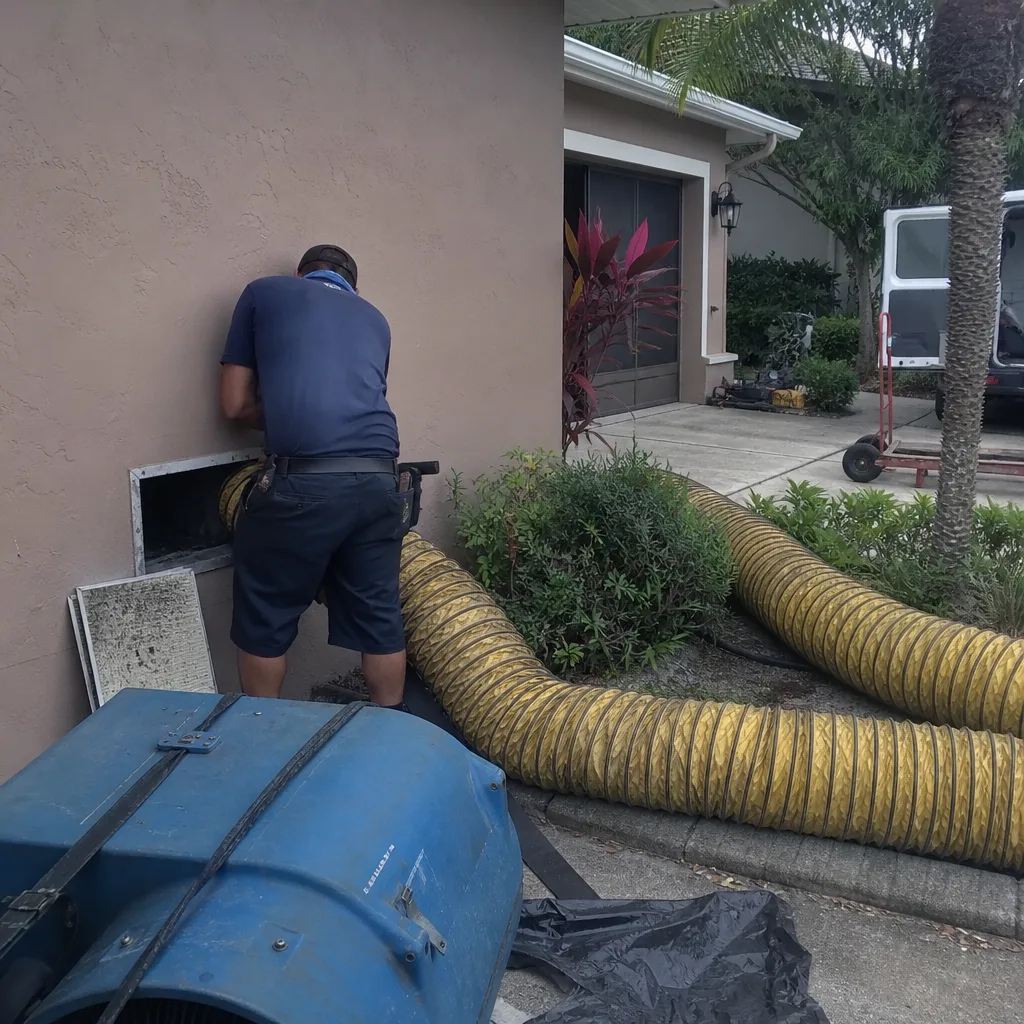 Before
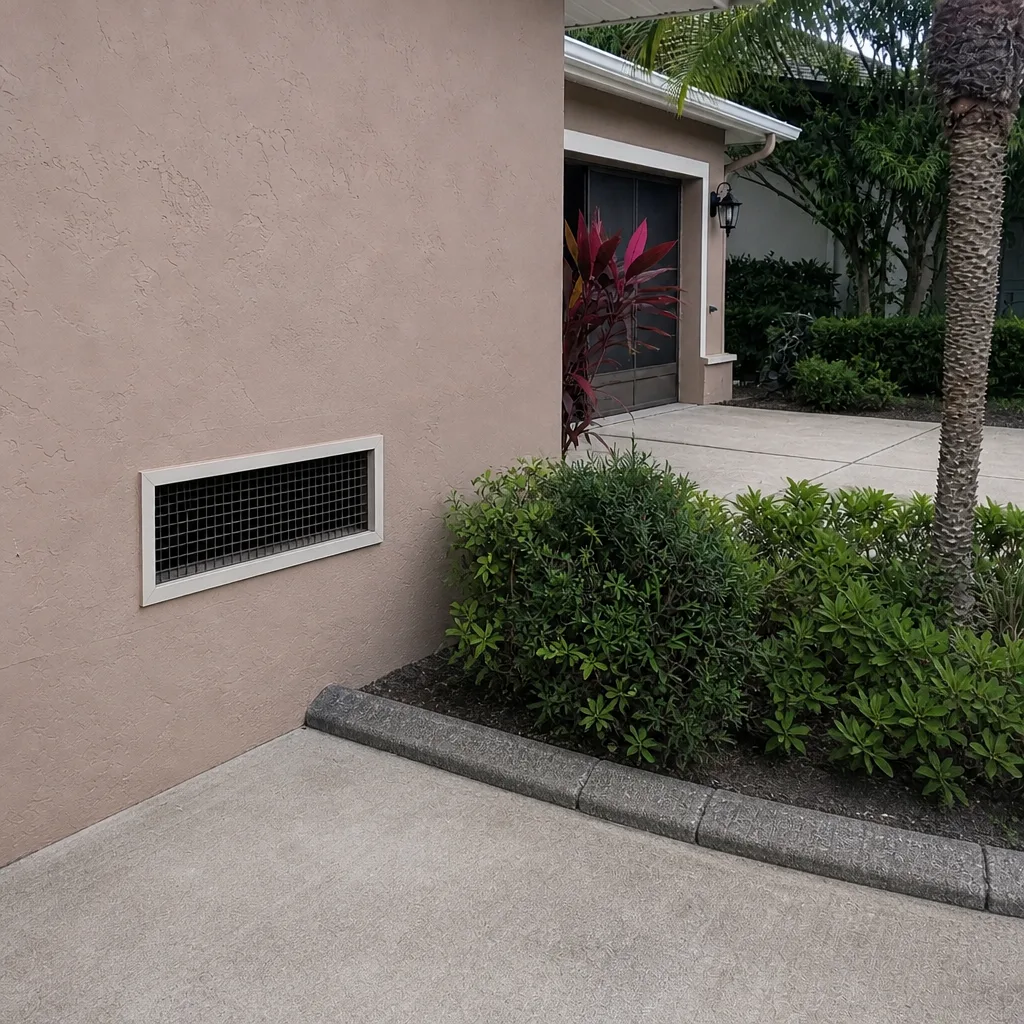 After
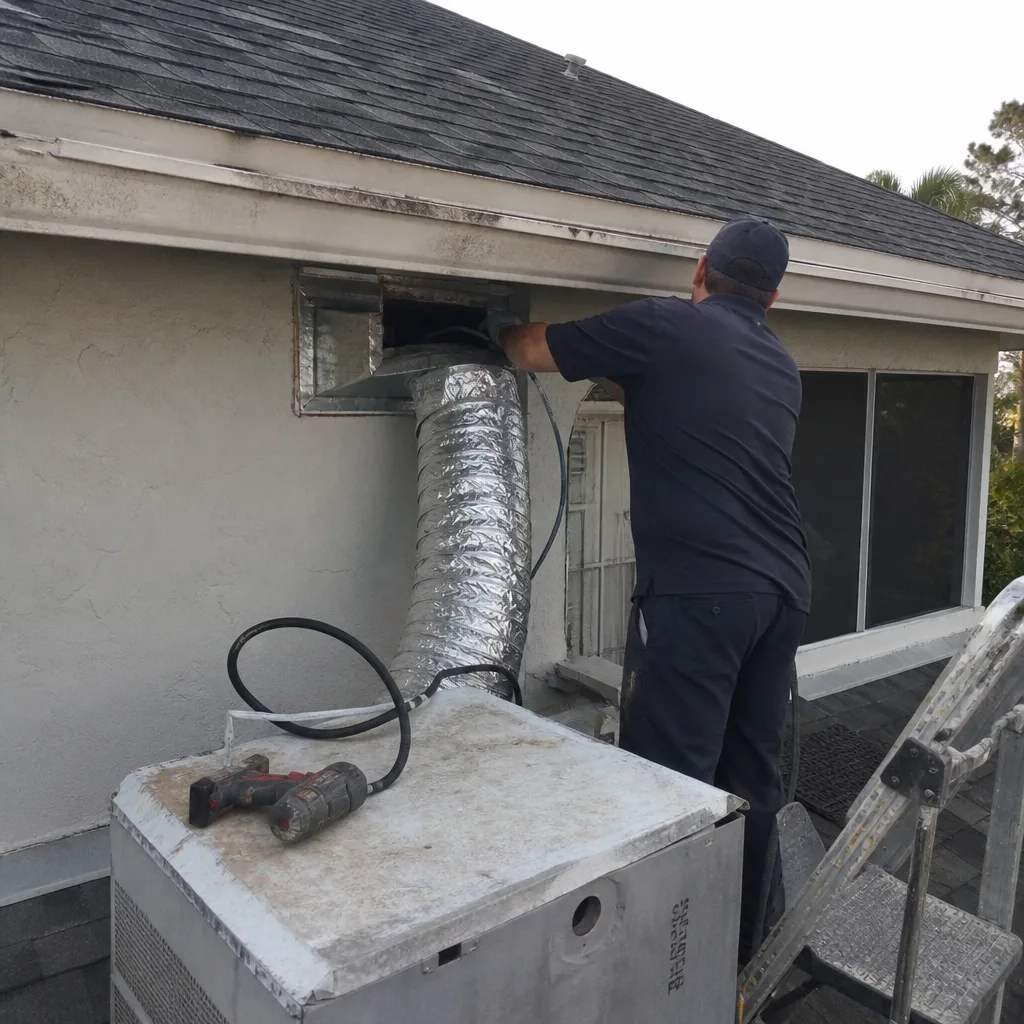 Before
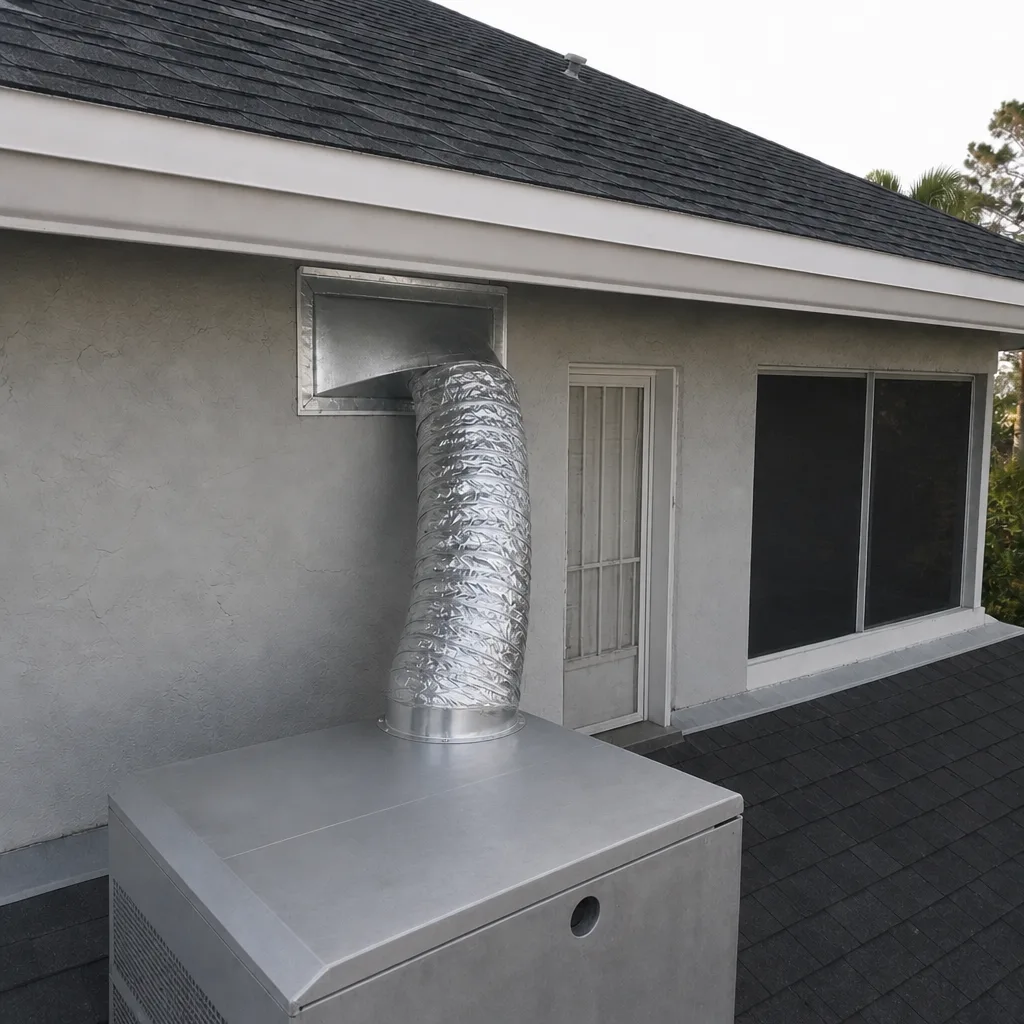 After
 Before
 After
When to Call a Professional
Some problems are worth a call right away. If you see soft or crumbling duct board liner at the register, if a room has lost most of its airflow and the filter is clean, if a musty smell returns within weeks of a cleaning, or if your dryer is taking longer to dry than it used to, those are all signs a trained technician should look at the system. The same goes for any light-commercial or multi-unit property where you need documentation of duct condition. Our technicians have up to 13 years of experience reading exactly these symptoms, and we use the equipment to actually confirm the cause: Rotobrush and Nikro agitation platforms, HEPA-level capture, and a scope camera when the surface evidence isn’t conclusive. We also stock and service Honeywell and Aprilaire components, so if the system needs a filtration upgrade, we can address it in the same visit as the cleaning. Air duct cleaning without diagnosis is guesswork; we’d rather look first. Duct Cleaning Clearwater offers free estimates in Clearwater. Call (844) 238-0931. We answer 24/7. Fast dispatch from 7am to 7pm, Sunday through Friday.
Frequently Asked Questions
Because the job was likely done without negative-pressure containment. Without a HEPA vacuum holding the duct under suction, brushing and air whips knock debris loose into the supply registers and it ends up in your rooms. The fix is a proper re-clean with contained capture, not a second blowout. Call (844) 238-0931 for an exact quote – estimates are free.
It depends on the size of the system and what condition we find it in. We quote per system, not per vent, and we set one flat price before work starts so there’s no bait-and-switch on the invoice. We’ll give you an honest range after we know what we’re dealing with. Call (844) 238-0931 for an exact quote – estimates are free.
Usually because they’re quoting a cleaning that doesn’t include HEPA-level capture, mechanical agitation, or any diagnosis of the duct condition. A shop-vac pass will cost less and do less. Compare what equipment is being used, not just the number. Call (844) 238-0931 for an exact quote – estimates are free.
Ask for before-and-after photos of your own ducts, and ask what equipment will be used before the job starts. Any contractor confident in the work will show you the footage. If the answer is vague, that’s your signal. Call (844) 238-0931 for an exact quote – estimates are free.
There’s no single answer, but it’s less often than the annual cadence the sales pitches suggest. Homes with pets, allergy sufferers, or a recent renovation usually benefit from a check every few years. If you see the symptoms we covered above, that’s a better trigger than a calendar. Call (844) 238-0931 for an exact quote – estimates are free.
Yes. That’s one reason we offer air duct repair alongside cleaning: when we find a disconnected flex run or a failed boot connection during the job, we can correct it on the spot. You don’t need a second contractor visit. Call (844) 238-0931 for an exact quote – estimates are free.
The Bottom Line
The most useful takeaway is also the simplest: match the symptom to the cause before you spend money on a cleaning. Musty odor means moisture, often on duct board liner or the condensate pan. Visible dust after a job means the containment was wrong. Reduced airflow means a branch line, the blower, or the coil. And a dryer that no longer dries is a vent-safety issue, not a comfort issue. A twenty-minute flashlight inspection will usually tell you which one you’re looking at. If the answer is duct board that’s failed, or a disconnected branch run, the fix is repair, not another vacuum pass. Whether you’re in Clearwater or the surrounding area, we’re happy to look at what you’ve found and tell you honestly what the job needs. Clearwater homes have their own quirks – humid summers, duct board failure, attic runs that sweat – and reading those well is most of the diagnosis. A single free estimate, one flat price per system agreed before work starts, and before-and-after photos of your own ducts: that’s the job as we run it. Call (844) 238-0931. We answer 24/7. Fast dispatch from 7am to 7pm, Sunday through Friday.
Written by the team at Duct Cleaning Clearwater.